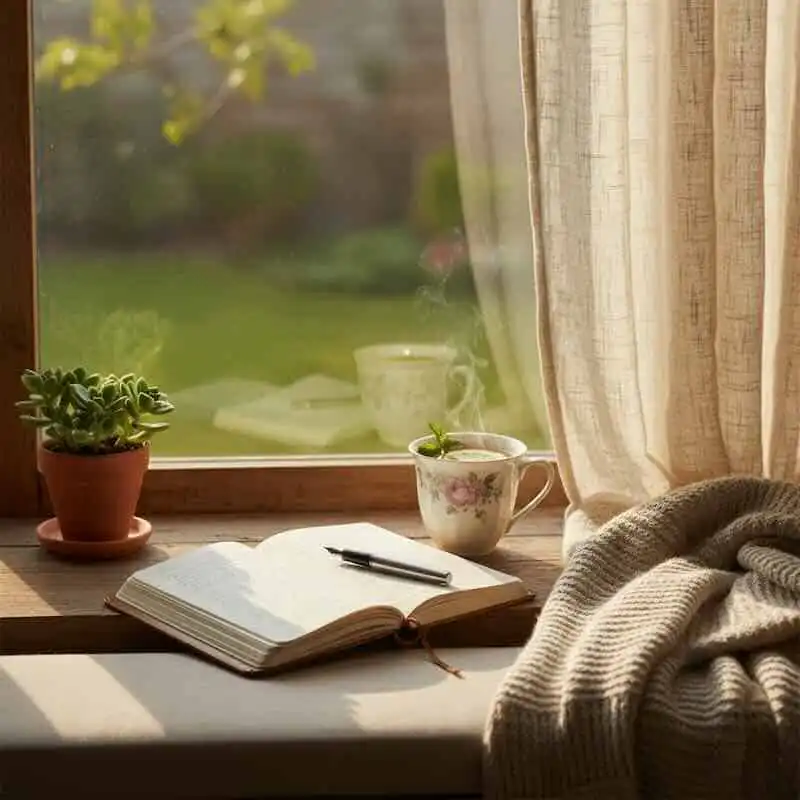


As we move into 2026, our homes have become more than just living spaces—they are our personal sanctuaries. This year, the “Cozy Corner” has evolved into a Sensory Retreat. We are moving away from mass-produced seasonal items and toward Mindful DIYs that prioritize sustainable textures, soft lighting, and personal storytelling.
Whether you’re carving out a reading nook or refreshing your space for a new season, here is how to create your ultimate cozy corner for 2026.
1. The “Cloud-Layering” Technique
In 2026, the “perfectly made” chair or sofa is out. Cloud-Layering is about intentional imperfection and maximum comfort using high-quality, circular materials.
- The DIY: Update your existing pillows by creating Upcycled Bouclé Covers. Use old wool sweaters or thrifted sherpa blankets to sew simple envelope-style covers. The more texture, the better.
- 2026 Trend: Mix “Earth-Core” tones—like deep mushroom, salted caramel, and smoked cedar—to create a visual warmth that feels organic and grounding.
2. Bio-Luminescent Mood Lighting
Standard harsh lighting is being replaced by “Glow-Scaping”—using soft, diffused light sources that mimic natural bioluminescence.
- The DIY: Create Pressed Petal Lanterns. Take glass jars and use a mixture of water and non-toxic glue to adhere pressed autumn leaves or dried spring flowers to the outside. Instead of a harsh bulb, use a flickering “warm-amber” LED puck light inside.
- Cozy Factor: This creates a dappled, forest-floor light effect that is perfect for winding down after a long day.
3. The “Library-Core” Floating Nook
With the continued rise of the “digital detox,” physical books and journals are the centerpieces of 2026 home decor.
- The DIY: Turn an unused corner into a Floating Library. Use reclaimed wood “live-edge” shelves to hold your current TBR (to-be-read) pile.
- The Final Touch: Add a DIY “Scented Story” Diffuser. Instead of synthetic sprays, simmer a pot of water with cinnamon sticks, dried citrus, and a drop of vanilla bean oil to fill your corner with the aroma of a vintage bookstore.
4. Sculptural Hand-Poured Tapers
Candle aesthetics in 2026 are all about Unique Forms. Wavy, twisted, and architectural candles are the must-have mantle decor.
More Read

- The DIY: You can make your own “Twisted Tapers” by soaking standard beeswax candles in warm (not boiling) water for 10-15 minutes until they are pliable. Gently flatten and twist them into a spiral shape before letting them cool in cold water.
- Style Tip: Display them in mismatched vintage brass or matte ceramic holders for a curated, “collected-over-time” look.
5. Sensory Wall Hangings: The “Woven Window”
Blank walls feel cold. 2026 is the year of Acoustic Decor—items that look beautiful and help dampen sound for a quieter, more peaceful room.
- The DIY: Create a Scrap-Fabric Wall Weaving. Use a simple wooden frame as a loom and weave in strips of leftover velvet, linen, and chunky yarn.
- The 2026 Twist: Incorporate small dried lavender sprigs or eucalyptus into the weave. Every time a breeze hits the hanging, it releases a subtle, calming scent.
Making it Smart: The 2026 “Cozy Tech” Edge
To truly bring your corner into 2026, integrate AI-Driven Atmosphere.
- Smart Scents: Program your diffuser to switch from “Energizing Citrus” during the day to “Calm Sandalwood” in the evening.
- Circadian Lighting: Use smart bulbs in your DIY lanterns that automatically shift to warmer, amber tones as the sun sets to help your body prepare for rest.
- Soundscapes: Hide a small Bluetooth speaker behind your “Cloud-Layered” pillows and play a 3D audio loop of “Soft Rain” or “Crackling Hearth.”
Final Thoughts
Creating a cozy corner in 2026 isn’t about buying a new furniture set; it’s about curating a feeling. By using DIY elements and sustainable textures, you create a space that doesn’t just look like a magazine spread—it feels like home.
How are you cozying up your space this year? Share your DIY projects with us using #DivineCozy2026!
FAQ: Cozy Corners DIY Decor
Q: How much time do these DIY projects take?A: Most projects can be completed in under an hour, making them perfect for weekend or evening activities.
Q: Are these ideas budget-friendly?A: Absolutely! Many materials can be found around the house or sourced inexpensively.
Q: Can I customize these ideas to fit my style?A: Yes! The beauty of DIY is that you can tailor colors, textures, and elements to your personal taste.
External Resources
???? Sustainable Textiles & Certifications
- Regenerative Organic Alliance: The official home of the ROC (Regenerative Organic Certified) label, the gold standard for soil-to-skin sustainability.
- Global Organic Textile Standard (GOTS): The world’s leading processing standard for textiles made from organic fibers.
- Textile Exchange: A global non-profit that provides the latest data and standards on “Preferred Fibers,” including recycled and bio-based synthetics.
- MycoWorks: Explore the science behind Reishi™, one of the leading mycelium-based leather alternatives used by high-fashion houses.
- Lenzing (Tencel™): The resource for understanding closed-loop lyocell and modal production.
♿ Inclusive & Adaptive Fashion
- Runway of Dreams Foundation: A leading organization working to bring adaptive clothing to the mainstream fashion industry through runway shows and brand partnerships.
- IZ Adaptive: One of the most established brands in the world for stylish, functional clothing designed specifically for wheelchair users and those with physical disabilities.
- Tommy Hilfiger Adaptive: A pioneer in mainstream inclusive design, offering collections with magnetic closures and sensory-friendly materials.
- Open Style Lab: A non-profit dedicated to making style accessible to people of all abilities through research and education.
???? Conscious Interior Design & DIY
- Ellen MacArthur Foundation (Circular Design): The authority on circular economy principles, offering guides on how to design home products that never become waste.
- Sustainable Furnishings Council: A great resource for finding eco-friendly home brands and understanding the impact of textiles in the home.
- Re-Nest (Apartment Therapy): A go-to destination for DIY home hacks that focus on upcycling and sustainable living.
- B Corp Directory: Search for home and fashion brands that have met the highest verified standards of social and environmental performance.
???? Pro-Tip for 2026 Readers:
When browsing these resources, keep an eye out for the “Digital Product Passport” (DPP). In 2026, many of these organizations are helping brands implement QR codes on tags that allow you to scan and see the entire journey of your garment—from the farm to your closet!