

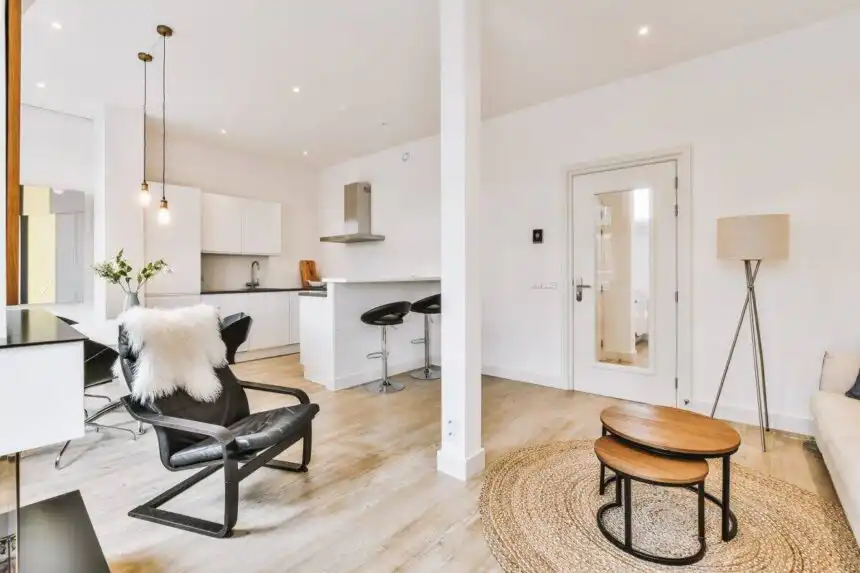
There’s more to selecting an apartment than price and location; you should evaluate your daily routines, work habits, and long-term goals to find a space that supports your life. Assess commute, amenities, layout, storage, and neighborhood vibe; prioritize what matters most to your comfort and productivity; and use those criteria to guide your search.
Uncovering Your Lifestyle Needs
List concrete patterns: how many hours per week you work at home, how often you host (e.g., monthly dinners for 6–8), weekend routines like gym or farmers market trips, and any mobility needs. Note noise tolerance, storage requirements (bikes, seasonal gear), and pet care logistics. That snapshot lets you quickly rule out units—for example, if you need 200+ sq ft for a home studio or daily access to transit, filter listings accordingly before touring.
Evaluating Daily Routines
Map a typical weekday and weekend: commute time, grocery runs, gym visits, and focused work blocks. If you spend 30+ hours weekly working from home, plan for a dedicated office nook and 100+ Mbps internet to support video calls. Aim for a commute under 30 minutes if reducing travel stress matters; if errands take multiple trips, prioritize ground-floor storage or nearby grocery options to save time.
Prioritizing Must-Haves vs. Nice-to-Haves
Choose 3–5 non-negotiables (bedroom count, pet policy, parking, in-unit laundry, max commute) and list 4–6 nice-to-haves (rooftop lounge, pool, concierge, gym hours 24/7). You’ll negotiate trade-offs more easily by keeping must-haves strict: for instance, a fenced yard is a must if you have a dog, whereas a designer kitchen can be a nice-to-have you sacrifice to lower rent.
Score listings using weighted criteria: assign percentages like commute 30%, rent 30%, layout/space 20%, pet policy 10%, and amenities 10%. Rate each property 0–5 per criterion, multiply by weight, then sum to compare totals—a building scoring 4.5 under this system objectively beats one that “feels” better on tour but scores lower numerically.
The Power of Location in Apartment Selection
Location shapes daily life more than square footage; you’ll save time and money by choosing a spot that matches your routine. Aim for neighborhoods where key errands are within a 10–15 minute walk or a 30-minute commute to work, and use tools like Walk Score and Transit Score to quantify convenience. Selecting a location near parks, grocery stores, and transit hubs can cut errands into minutes instead of hours, leaving you more time for work, hobbies, and social life.
More Read

Accessibility to Work and Leisure
Prioritize commute time and transit options based on how often you travel: living within a 30-minute door-to-door commute dramatically reduces stress, while a 10–15 minute walk to a bus stop or subway station multiplies daily flexibility. Check peak-hour transit times on Google Maps, look for protected bike lanes if you cycle (3–5 miles is a comfortable urban ride), and verify parking availability and guest permits if you drive to leisure spots on weekends.
Neighborhood Safety and Community Vibe
Assess safety through local crime maps and police reports, then compare neighborhood figures to the city average so you know what’s typical. Spend time visiting at different hours—weekday mornings, early evenings, and late nights—to observe lighting, foot traffic, and noise levels. Tap into Nextdoor and local Facebook groups to hear firsthand about community events, landlord responsiveness, and any recurring issues shared by residents.
Dig deeper by checking specific indicators: well-lit streets, maintained sidewalks, active storefronts, and visible security measures (cameras, controlled access) usually signal a healthier environment. Look up recent calls for service or response times via the police department’s online portal, review municipal crime-mapping tools like CrimeReports or SpotCrime, and ask building management about incident history and safety investments before signing a lease.
Essential Features and Amenities That Matter
Compare everyday conveniences that will actually improve your routine: in-unit laundry, a dishwasher, air conditioning, ample closet space, and secure parking often top the list. On-site perks like a gym or rooftop terrace add lifestyle value—an on-site gym can save you $20–$60 monthly versus a commercial membership—while dedicated coworking spaces and 100+ Mbps broadband matter if you work from home. Pick amenities you’ll use daily rather than trendy extras that look appealing on a listing.
In-Unit Amenities vs. Shared Facilities
Decide whether you prefer private convenience or cost-sharing: an in-unit washer/dryer removes the $2–$5 per-load hassle of shared laundry and saves you trips, while shared gyms, lounges, or guest suites let you access premium facilities without bearing full installation costs. Hybrid living works well—prioritize in-unit necessities like a dishwasher or AC for daily comfort, and accept shared extras if they’re high-quality and well-maintained.
The Role of Technological Integration
Smart features such as keyless entry, smart thermostats, building-wide Wi‑Fi (1 Gbps options), and app-based property management can streamline daily life: Smart thermostats may cut energy use by roughly 10–12%, while package-locker systems and remote guest codes reduce friction for deliveries and visitors. You’ll want a building that supports secure, high-speed connectivity if you videoconference or stream frequently.
Look for specifics when evaluating tech: verify the exact internet speeds available to your unit, whether smart locks log access events, and if the management app handles maintenance tickets, rent payments, and amenity bookings. Test connectivity during a visit by streaming a video or joining a quick video call in the unit; sluggish performance in peak hours is a red flag. If sustainability is important to you, inquire about the integration of smart HVAC controls with energy-use reporting to monitor and lower your bills.
The Impact of Size and Layout on Your Living Experience
Square footage alone won’t predict how well an apartment fits your habits; thoughtful zoning does. Studios often range from 300 to 600 sq ft, while one-bedrooms typically fall between 600 and 900 sq ft, so prioritize how you’ll use each zone—sleeping, working, cooking, entertaining—rather than chasing a number. You can sacrifice 100 sq ft if the layout provides distinct, usable areas; conversely, a poorly planned 900 sq ft unit can feel smaller than an efficient 600 sq ft home.
Understanding Optimal Space for Individual Needs
Match room sizes to specific activities: plan roughly 100–140 sq ft for a primary bedroom, allocate 35–50 sq ft for a dedicated home office, and aim for 120–200 sq ft combined living/dining if you host occasionally. If you commute frequently, reduce at-home work area needs; if you cook daily, prioritize 10–12 sq ft of counter space and storage. Use these targets to compare listings objectively rather than relying on vague impressions.
Creative Layouts that Maximize Functionality
Multipurpose solutions transform tight footprints: a Murphy bed reclaims about 33 sq ft (queen footprint) when stowed, lofted beds free floor space underneath, and built-in storage uses vertical wall space without crowding walkways. Sliding doors or open shelving create separation without losing light, while peninsula counters can double as prep and dining surfaces to save space and cost.
You can push functionality further with modular furniture and strategic sightlines: combine a 48″ fold-down desk with an armoire that hides office clutter, mount shelves to within 6–8 inches of the ceiling to use dead vertical space, and place mirrors opposite windows to amplify light. In a recent studio conversion of 450 sq ft, adding a Murphy bed, a 36″ peninsula, and built-in closets increased usable living area by the equivalent of roughly 150 sq ft, proving layout choices often matter more than raw square footage.
Aligning Apartment Choices with Lifestyle Goals
Match specific apartment features to measurable goals: if you work from home, allocate 50–70 sq ft for a dedicated office; if you want shorter commutes, target neighborhoods within a 15-minute transit ride or a 5-mile bike radius—cutting a 30-minute round-trip commute saves roughly 5 hours per week. Prioritize open-plan layouts for entertaining, on-site gyms if you train 3–5 times weekly, or green buildings and EV charging if lowering your carbon footprint matters.
Short-Term vs. Long-Term Considerations
Compare lease lengths and costs to your timeline: month-to-month or 6‑month leases offer mobility if you expect to relocate within a year, while 12–24 month leases typically lock in lower monthly rent and reduce turnover hassles. Factor in security deposits (often one month’s rent), potential rent increases, and moving costs—choosing a furnished short-term unit can save you $1,000–$3,000 in moving and furniture expenses if your horizon is under 12 months.
Flexibility in Space for Future Life Changes
Look for flexible floor plans, extra storage, and bonus spaces like dens or balconies that can convert to offices or nurseries; a 100–200 sq ft flex area lets you add a workspace or guest zone without moving. Verify building policies on partitions and minor alterations so you can adapt the unit as your needs evolve without violating your lease.
Modular solutions often cost far less than relocating: installing a Murphy bed, wall-mounted desk, or rolling room divider can turn a 600 sq ft one-bedroom into a two-function home for under $1,500. In practical terms, transforming 60–80 sq ft for an office or nursery can avoid upgrading to an 800+ sq ft unit and save you $200–$600 monthly. Always measure doorways, confirm HVAC and outlet placement, and get written landlord approval before making changes.
To wrap up
Hence, you should assess your routines, priorities, and long-term goals to narrow locations, amenities, and layouts that match your lifestyle. Prioritize features that support your daily habits—commute time, workspace, storage, pet policies—and make a shortlist before touring. With a clear checklist, you’ll find an apartment that supports how you live and grow.
FAQ
Q: How do I assess my lifestyle needs so I can narrow down apartment choices?
A: Start by listing daily routines and priorities: work hours and location, how often you host guests, exercise habits, pet ownership, hobbies that need space or storage, and sleep patterns. Divide the list into “must-haves,” “nice-to-haves,” and “dealbreakers.” Spend one week tracking where you spend time and what frustrates you in your current space—that reveals real needs versus wants. When touring units, compare each against your list and imagine a typical weekday and weekend there: can you work comfortably, cook easily, and unwind? Also factor in future plans (career changes, family, or long-term travel) so the apartment fits beyond just the immediate term.
Q: What location factors should I prioritize to match my lifestyle?
A: Prioritize locations that make daily life easier: commute time and transit options; proximity to grocery stores, healthcare, and work; access to parks or fitness options if you exercise outdoors; and neighborhood noise and safety levels that fit your tolerance. Examine walkability and bike infrastructure if you prefer active transport. Research the area by visiting at different times (weekday morning, evening, and weekend) to gauge traffic, noise, and foot traffic. Use online maps, transit apps, and local community forums for insight into future development or recurring problems. If you rely on a car, confirm parking rules and costs; if you don’t, ensure reliable transit or ride-share access.
Q: How can I balance apartment size, amenities, and budget without compromising what matters most?
A: Start with a realistic budget that includes rent, utilities, parking, pet fees, renter’s insurance, and any amenity charges. Use a priority matrix: list features by importance and be willing to trade lower-priority items for gains in top priorities (for example, a smaller unit in a better neighborhood vs. a larger unit farther away). Evaluate whether building amenities are worth the added cost or if nearby gyms, coworking spaces, and parks serve the same purpose. Focus on layout efficiency over raw square footage—a well-designed 1-bedroom can feel larger than a poorly arranged 2-bedroom. Inspect storage options and plan smart furniture solutions. Finally, factor in mobility: choose flexibility in lease length or subletting rules if your lifestyle may change soon, and negotiate lease terms where possible to align cost with value.