


Just as you weigh time, budget, and social preferences, choosing between mega ships and intimate yachts shapes your vacation experience: Mega ships offer endless amenities and lively entertainment, while yachts deliver privacy and personalized service; factor in crowding and weather vulnerability to match your priorities and ensure the right balance of adventure, relaxation, and value for your trip.
Key Takeaways:
- Mega ships deliver abundant onboard amenities, entertainment, and family-friendly options—best for travelers who want variety and a lively atmosphere.
- Small ships and intimate yachts offer personalized service, quieter vibes, and access to shallow or remote ports—best for couples, active explorers, and luxury seekers.
- Choose by priorities: onboard activities vs. destination access, social scene vs. privacy, and budget vs. exclusivity to match ship size to your travel style.
The Allure of Mega Ships: Size and Spectacle
Massive vessels like Royal Caribbean’s Oasis-class stretch over 1,188 feet and can carry well over 5,000 passengers, turning ocean crossings into immersive spectacles. You encounter multiple “neighborhoods”—Central Park, Boardwalk, and AquaTheater—stacked across 16+ decks, with features such as zip lines, surf simulators, and multi-level pools that coexist alongside vast promenade spaces, spa complexes, and casino floors, creating constant visual and activity-driven stimulation.
Amenities and Entertainment: A Floating City Experience
You’ll find 20+ dining and bar options on many mega ships, plus Broadway-style production shows, ice shows, IMAX or amphitheaters, water parks, and kids’ academies; families and thrill-seekers get parallel programming so everyone has choices. Booking specialty restaurants and evening shows early via the ship app usually secures the best seats and quieter time slots.
The Social Dynamics: Meeting People in Mass Settings
With thousands of fellow travelers onboard, you can join niche meetups, trivia leagues, dance classes, or single-traveler mixers that fill quickly and are ideal for instant connections; conversely, high-density areas create long lines and louder social settings where one-on-one conversations are harder to find.
Use the ship’s app and daily program to pinpoint smaller-interest events, reserve specialty dining or shore excursions early, and plan port days when many passengers disembark to enjoy quieter public spaces. Tap cruise-specific Facebook groups before sailing to arrange meetups, and heed health risks—norovirus outbreaks have occurred on crowded ships—so practice strict hand hygiene and consider vaccinations or travel insurance to protect your trip.
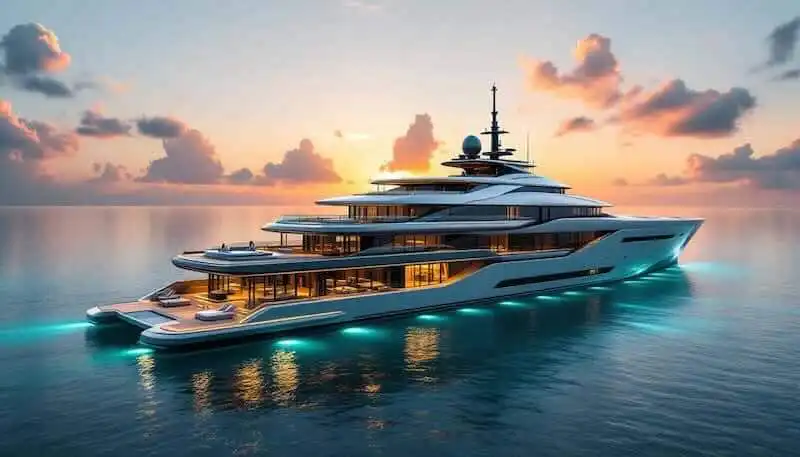
The Intimacy of Smaller Yachts: Personalized Luxury
Exclusive Access: Unique Destinations and Itineraries
You can slip into coves, private anchorages, and tiny ports that mega-ships must bypass, reaching spots like Positano’s narrow harbor or hidden Croatian islets; many boutique yachts have drafts under 4 meters, enabling landings where large vessels can’t go. Operators often design itineraries around tidal windows and local events, but be aware that narrow channels and unmarked shoals raise the grounding risk if navigation isn’t expert.

Tailored Services: A Personalized Sailor’s Experience
On smaller yachts you’ll typically see crew-to-guest ratios of about 1:1 to 1:3, letting staff learn preferences, craft bespoke menus, and arrange last-minute excursions; expect on-board dive instructors, private guides, and watersports gear ready on demand. That level of service lets you customize pace and activities far beyond a scheduled mega-ship program.
Detailed examples show the difference: a seven-guest charter often includes a captain, chef, first mate, and steward—so your dinner requests, snorkel timings, and shore pickups are handled instantly. You can request specific wines, curated shore experiences with local guides, or wellness treatments; note that medical facilities are limited onboard, so operators rely on shore-based medevac plans for serious incidents, which affects itinerary choices in remote regions.
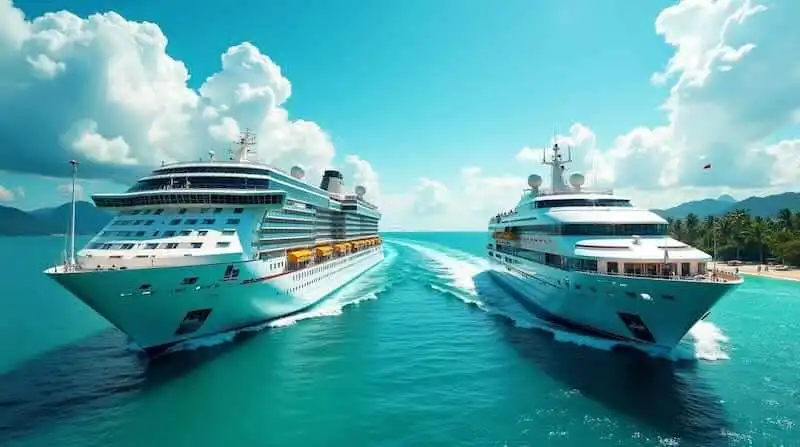
Balancing Budget and Experience: Value Assessment
You’ll weigh nightly fare against what’s actually included: mega ships often advertise low per-night rates ($50–$200) but tack on specialty dining, excursions, Wi‑Fi, and gratuities, while small yachts and luxury lines start higher ($250–$1,000+/night) with many extras bundled—your true cost depends on how many add-ons you purchase and the length of your cruise.
Cost Comparisons: What to Expect for Each Cruise Type
Expect a spectrum: budget mega cruises offer lower upfront fares but add pay-as-you-go options; mid-size ships offer mixed inclusions and package deals; expedition and luxury yachts charge premium fares that often include guided shore excursions, higher staff ratios, and gear—total per-person spend can vary by 2–5× between economy and luxury choices.
Cost Snapshot
| Cruise Type | Typical Cost & Inclusions |
|---|---|
| Mega Ships | $50–$200/night base; most entertainment included, specialty dining ($20–$75/meal), shore excursions extra |
| Mid-Size | $100–$400/night; balanced inclusions, optional packages for drinks, Wi‑Fi, excursions |
| Small / Expedition / Luxury | $250–$1,000+/night; many excursions, gear, and gratuities often included; higher per-person service |
Hidden Fees: Navigating Potential Extra Costs
Line-item charges can add up fast: expect automatic gratuities (~$14–$20/person/day), Wi‑Fi ($10–$30/day or cheaper pre-purchase), shore excursions ($50–$400+), specialty dining, and port taxes—missed itinerary changes or medical care can push your bill into the hundreds or thousands, so check the fine print for auto-adds and exclusions.
Scan sample final invoices and the fare’s inclusions before booking so you know which amenities are bundled. Pre-purchased drink and Wi‑Fi packages often save you 20–50% versus onboard rates; booking shore excursions through the line can protect you against missed-ship issues but costs more than independent operators. Factor in one-time charges like launchation fees, specialty restaurant cover charges, laundry ($5–$30/item), and potential fuel surcharges; medical visits or evacuations represent the most financially dangerous surprises—consider travel insurance with medical and evacuation coverage.
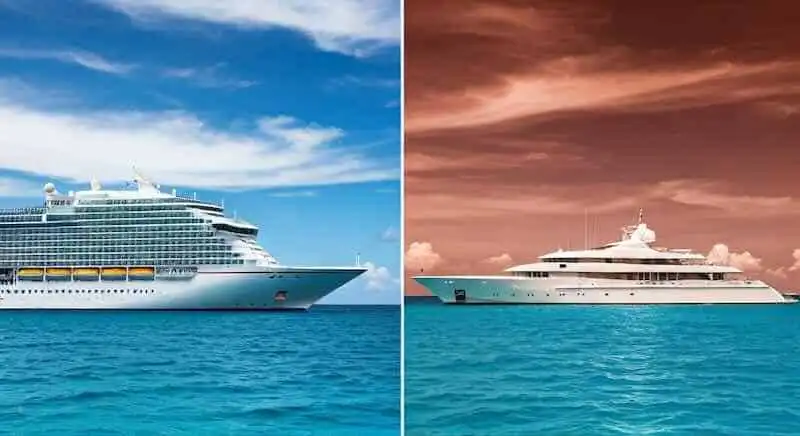
Traveler Profiles: Finding the Ideal Fit
Match your priorities to ship type: if you crave nonstop variety, pick mega ships like Royal Caribbean’s Oasis-class (~5,400 passengers); if you seek remote vistas, choose expedition lines (Lindblad, Hurtigruten) carrying 100–200 guests; for intimate service and flexible itineraries, consider yacht charters or small-ship lines with fewer than 36 guests.
Adventure Seekers vs. Relaxation Enthusiasts
If you want active shore excursions and onboard adrenaline, look for expedition or adventure-focused ships offering kayaking, Zodiac landings, heli-tours, or rock-climbing walls—examples include Hurtigruten Expeditions and Silversea’s expeditions; if lounging matters more, choose small luxury ships or adults-only yachts with expansive spa programs and quiet sun decks. Expect polar conditions and rough seas on true expedition itineraries, so plan gear and fitness accordingly.
Family-Friendly vs. Adult-Only Sailings
Families benefit from lines like Disney, Royal Caribbean, and Carnival with multi-level kids clubs, teen zones, and family suites that often sleep 4–6; adults-only lines such as Virgin Voyages enforce 18+ policies and emphasize quiet pools, late-night dining, and spa-focused relaxation—your choice shapes onboard tone and available amenities.
Family sailings often include dedicated youth programming by age group, splash parks, and private kids-only spaces; Disney adds character meet-and-greets and a private island (Castaway Cay), while Royal Caribbean offers surf simulators and zip lines. Adult-only options reduce noise and family-centric events but can carry higher per-person fares; check cabin configurations, mandatory gratuities, and activity fees so you know whether the onboard experience adds value or extra costs.
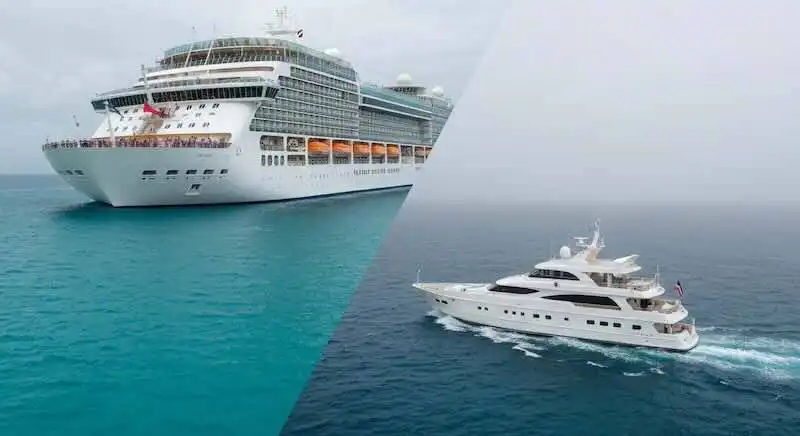
Environmental Considerations in Cruise Choices
The Impact of Mega Ships on Marine Ecosystems
Mega ships often burn heavy fuel oil, releasing high levels of NOx and SOx and emitting particulate matter that affects air quality; a vessel carrying 5,000–6,000 passengers can generate thousands of gallons of sewage and graywater daily, putting coral reefs and coastal fisheries at risk. Ballast-water transfers have introduced invasive species in many regions, and you’ll encounter stricter port rules and emissions fees in designated low-emission zones.
Eco-Friendly Yachting: Sustainable Alternatives
Smaller yachts are now using hybrid or fully electric engines, solar panels, and better systems for treating waste to lessen their impact on the environment; for example, the Candela C‑8 uses hydrofoils to save up to 80% more energy compared to regular boats.s. Choosing yachts that plug into shore power, run on biodiesel blends, or operate under Green Marine or ISO 14001 standards helps you minimize emissions and waste while cruising sensitive coastlines.
Charter operators in the Mediterranean and Scandinavia now offer electric and hybrid options for day trips and island-hopping, paired with marinas providing shore power and certified waste reception. You should look for operators that publish fuel use and CO₂ per guest, use IMO-compliant sewage treatment, and favor routes that avoid vulnerable habitats—small changes that deliver measurable reductions in your trip’s footprint.
Summing up
Presently you can match your priorities to vessel type: choose mega ships for variety, entertainment, and budget-friendly options, and select intimate yachts when you want personalized service, flexible itineraries, and quieter ports. Assess your tolerance for crowds, desired activities, and travel pace to determine which experience aligns with your expectations and delivers the most satisfying voyage.
FAQ
Q: What are the main differences between mega ships, mid-size vessels, and intimate yachts?
A: Mega ships carry thousands of passengers and offer a wide variety of dining, entertainment, and onboard activities (theaters, water parks, and multiple specialty restaurants). They visit major ports and are ideal if you want nonstop options and a lively atmosphere. Mid-size ships (500–1,500 passengers) balance amenities with a more relaxed feel: still plenty of dining and enrichment but fewer crowds and shorter lines. Intimate yachts or small expedition ships (under ~200 passengers) prioritize personalized service, flexible itineraries, access to remote or smaller ports, and an immersive experience; onboard programming tends to be specialized (naturalists, guided excursions) with simpler entertainment. Each size affects social vibe, space per guest, shore access, and the types of experiences available.
Q: How do I choose the right cruise based on my travel preferences and who I’m traveling with?
A: Match ship type to priorities: choose a mega ship if you want nonstop entertainment, family-friendly facilities, and a wide range of dining and activities for all ages. Pick a mid-size ship if you want amenities but prefer fewer crowds and a more relaxed pace—good for couples and multigenerational groups. Opt for an intimate yacht or small ship if you value personalized service, adventurous shore excursions, off-the-beaten-path ports, or quiet luxury—best for couples, solo travelers seeking connection, and guests focused on nature or culture. Also consider itinerary style: region-focused cruises (e.g., short island hops) often suit smaller ships, while transatlantic or themed cruise events are common on larger vessels.
Q: What should I consider about cost, logistics, and accessibility when deciding between ship sizes?
A: Ticket prices vary: mega ships often offer lower base fares per person due to scale, but specialty dining, shows, shore excursions, Wi‑Fi, and gratuities can add up; small ships may have higher base fares but include more in the rate (some excursions, transfers, and gear). Logistics differ: large ships call at major ports with easier transfer options; small ships access remote harbors requiring tenders or Zodiac transfers. Accessibility and medical services are typically more extensive on larger ships. Solo travelers should check single‑occupancy supplements—small vessels sometimes waive or reduce them. Consider motion sensitivity: larger ships are generally steadier. Review cancellation and expedition policies for small-ship itineraries, and compare loyalty benefits, seasonal pricing, and what’s included before booking.