


Usually you can shift your mood through targeted ingredients: prioritize omega-3-rich fish and nuts and complex carbohydrates to steady energy, reach for magnesium- and B‑vitamin‑rich greens when stressed, and use small amounts of dark chocolate or citrus to spark creativity. Be wary of excess caffeine and refined sugar, which can worsen anxiety and fatigue.
- Mood Food: What to Eat When You’re Stressed, Tired, or Inspired”
- The Impact of Food on Mood
- Understanding Mood and Nutrition
- Eating for Stress Relief
- Foods to Combat Stress
- Fueling Energy and Combatting Fatigue
- Energy-Boosting Foods for Tiredness
- Inspiring Creativity through Nutrition
- Foods to Inspire Creativity
- Mindful Eating Practices
- Mindful Eating Practices
- Conclusion
- Summing up
Mood Food: What to Eat When You’re Stressed, Tired, or Inspired”
Overwhelmed by stress, fatigue, or inspiration, you can use food to steer your emotions:Choose omega-3-rich fish, leafy greens, and complex carbohydrates to stabilize mood and energy; favor small protein-rich snacks to sustain focus; and avoid rapid sugar spikes and excess caffeine that can worsen anxiety or crash your energy. When inspired, lean into bold flavors and antioxidant-rich foods—like berries and dark chocolate—that provide a positive cognitive lift without harming sleep.
Key Takeaways:
- Specific nutrients—omega‑3s, B vitamins, magnesium, tryptophan, and complex carbohydrates—support neurotransmitter balance and can lift mood, reduce anxiety, and steady energy.
- Match foods to states: stress → magnesium‑rich greens, nuts, dark chocolate, and herbal teas; fatigue → iron, B12, and whole grains plus citrus for absorption; inspiration → colorful antioxidant‑rich produce, herbs, turmeric, and green tea to enhance focus and creativity.
- Practical wellness crossover: simple swaps (whole foods for processed), balanced protein‑plus‑carb snacks, hydration, and mindful eating amplify emotional benefits and make mood‑supporting meals straightforward to adopt.
Key Takeaways:
- Match ingredients to mood: calming choices for stress (magnesium-rich greens, omega‑3s, herbal teas, and adaptogens) versus energizing options for fatigue (iron/B‑vitamin foods, lean protein, whole grains, and hydrating fruits).
- Composition and timing matter: balanced combinations of protein, healthy fats, and complex carbs stabilize blood sugar and neurotransmitters to reduce mood swings and sustain energy.
- Use sensory, nutrient-dense foods to spark creativity and uplift mood: colorful, antioxidant-rich produce; fermented foods for gut–brain support; and small, flavorful snacks to boost focus and inspiration.
The Impact of Food on Mood
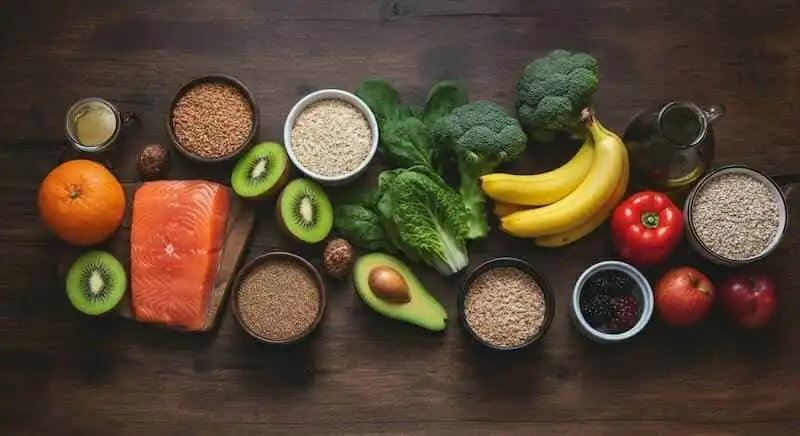
Food alters your mood through three clear pathways: neurotransmitter synthesis, inflammation, and blood‑sugar regulation. Eating balanced meals helps your brain make serotonin and dopamine; omega‑3s and magnesium support neuronal signaling, while refined sugar and frequent high‑GI snacks trigger rapid blood‑sugar crashes that worsen anxiety and fatigue. Clinical nutrition research links dietary patterns to mood—so the ingredients you choose can shift you toward calm, energy, or creative focus within days to weeks.
Understanding Emotional Eating
Stress raises cortisol and pushes you toward high‑fat, high‑sugar comforts that blunt negative feelings short‑term but deepen mood swings. Notice triggers, plan protein‑rich meals (about 20–30 g per meal) and fiber (~25–30 g/day) to stabilize appetite, and swap one impulsive snack for a satisfying combo—e.g., apple with nut butter—to interrupt the cycle and reduce binge frequency.
Foods that Boost Mood
Choose foods that supply building blocks and anti‑inflammatory compounds: fatty fish, walnuts, flax, leafy greens, fermented dairy, berries, and dark chocolate (≥70%). Aim for 250–500 mg EPA+DHA daily or two servings of fatty fish per week; include magnesium‑rich spinach or pumpkin seeds and probiotic yogurts to support gut‑brain signaling.
Practical pairings amplify effects—Greek yogurt with berries and a tablespoon of ground flaxseed adds protein, probiotics, and omega‑3 precursors; a lunch of spinach, salmon, and quinoa delivers magnesium, EPA/DHA, and slow carbs to sustain energy; and a 20 g square of 70% dark chocolate can provide mood‑lifting polyphenols without the crash of candy.
More Read

Understanding Mood and Nutrition
Many ingredients directly modulate neurotransmitters and inflammation: omega-3s, magnesium, B vitamins, vitamin D, and fermented foods all influence serotonin, dopamine, and the gut-brain axis. You can shift emotional states by prioritizing whole foods—fatty fish, leafy greens, seeds, and yogurt—because vitamins and fatty acids support neural membrane function and microbial balance, translating into more stable energy, clearer thinking, and reduced low-grade inflammation linked to low mood.
The Connection Between Food and Mood
Tryptophan-rich foods (turkey, eggs) paired with complex carbs help serotonin synthesis, while omega-3s from salmon or chia improve neuronal signaling and reduce inflammation. Gut microbes in fermented foods produce neuroactive compounds that affect anxiety and mood. Meta-analyses associate a Mediterranean-style diet with about a 30% lower risk of depression, showing how dietary patterns—not single foods—drive emotional outcomes.
How Stress Affects Dietary Choices
Acute stress spikes cortisol and often increases cravings for high-fat, high-sugar foods; lab studies show snack intake can rise by roughly 20–30% during stress. You may reach for ultra-processed comfort items because they rapidly stimulate reward pathways, but that leads to blood sugar swings, inflammation, and mood crashes that worsen chronic stress responses.
Physiologically, stress raises ghrelin and cortisol, promoting appetite and visceral fat storage; psychologically, limited willpower under duress favors convenience foods. Counter this by keeping protein-rich snacks, magnesium sources (pumpkin seeds, spinach), and fermented options handy—protein stabilizes blood sugar, magnesium blunts stress-driven cravings, and probiotics support resilience in the gut-brain axis.

Eating for Stress Relief
Target foods that lower cortisol and support calming neurotransmitters: oily fish, leafy greens, nuts, fermented foods, and small portions of dark chocolate. You can reduce acute tension by swapping a sugary snack for a walnut-and-yogurt bowl—studies link omega‑3s and probiotics to lower anxiety markers. Watch stimulants: excess caffeine and refined sugar spike cortisol and worsen sleep, so prioritize balanced meals with protein, fiber, and healthy fats to steady mood across the day.
Nutrients that Combat Stress
Magnesium (200–400 mg/day in trials) eases nervous tension; omega‑3s (about 1 g EPA+DHA) show anxiety reduction; and vitamin D supplements (800–2,000 IU for low levels) are associated with better mood. B6, B12, and folate support neurotransmitter synthesis. Fermented foods with Lactobacillus rhamnosus or Bifidobacterium longum can modulate the gut‑brain axis. Antioxidant polyphenols—found in 30 g of 70% dark chocolate or a cup of berries—reduce oxidative stress linked to mood dysregulation.
Meal Ideas for Stress Management
Combine protein, complex carbs, and fat: grilled salmon with quinoa and sautéed spinach; turmeric lentil soup with a squeeze of lemon; Greek yogurt topped with berries and walnuts; avocado toast on sprouted-grain bread with a poached egg. Snack: 30 g dark chocolate or a small banana with almond butter. Limit energy drinks and pastries—they can elevate cortisol and impair recovery.
Prep tactics help: Batch-cook lentils and roasted vegetables for 3–4 servings, portion 20–30 g protein per meal, and include at least one omega‑3 source twice weekly. For pre‑meeting calm, eat a small snack ~60 minutes before: Whole-grain toast with turkey (tryptophan + carbs) or plain yogurt with berries stabilizes blood sugar and supports serotonin production.
Foods to Combat Stress
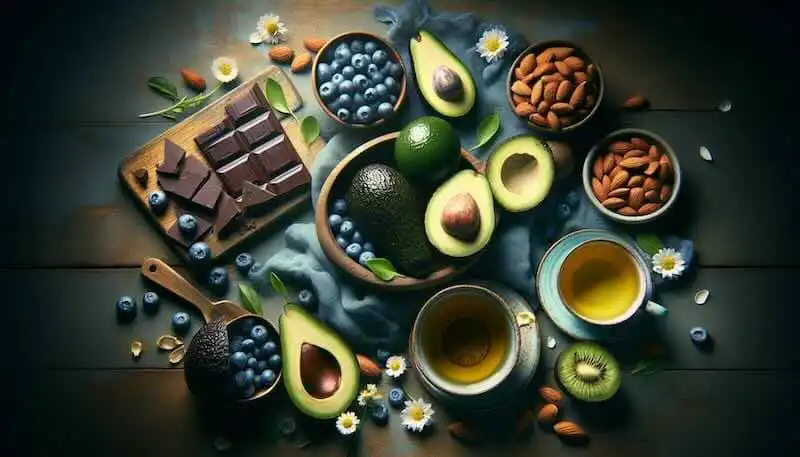
Specific foods reliably lower stress markers: oily fish, 70% dark chocolate (~30 g), leafy greens, and fermented yogurt. Aim for two 3.5‑oz (100 g) servings of fatty fish per week, and limit caffeine above 400 mg/day because excess can raise your anxiety. Walnuts, pumpkin seeds, and oats supply magnesium and fiber that help stabilize your blood sugar and mood during high‑pressure days.
Nutrients That Soothe
Magnesium (aim for ~300–400 mg/day from spinach and almonds), omega‑3s (target ~1 g EPA/DHA for mood support), vitamin D, and B‑vitamins support your neurotransmitter synthesis. Probiotics from kefir or yogurt with more than 1 billion CFU helped lower stress levels in small studies, and eating tryptophan-rich foods like turkey and eggs with carbs can increase serotonin for a more relaxed evening
Recipes for Stress Relief
Try a 4‑oz baked salmon with walnut‑parsley pesto, a spinach‑chickpea curry over brown rice, or a probiotic yogurt parfait (150 g yogurt, ½ cup berries, 2 tbsp granola). Finish with chamomile‑lavender tea. These meals deliver omega‑3s, magnesium, and probiotics in clear portions so you can measure the impact on how you feel within hours to days.
Batch-cook for consistency: roast salmon at 400°F (200°C) for 12–15 minutes, portion into four servings for your week, and refrigerate up to 3 days or freeze for 3 months. Sauté spinach 1–2 minutes to retain magnesium, and stir 1 tbsp ground flaxseed into 150 g yogurt for an extra omega‑3 boost. Keep added sugars low to avoid blood‑sugar swings that worsen stress.
Fueling Energy and Combatting Fatigue
Pair steady-burning carbs with protein, iron, B vitamins, and omega-3s to support mood and stamina; studies link low B12 and iron to fatigue, while magnesium (around 300–400 mg daily for many adults) helps cellular energy. Prioritize whole grains, leafy greens, and fatty fish, and consult resources like Eight foods that impact stress to see how specific ingredients affect stress and energy.
Best Foods for Energy
Oats, quinoa, and sweet potatoes give slow-release carbohydrates; pair with 20–30 g of protein from eggs, Greek yogurt, or legumes to sustain alertness. Add iron-rich spinach or fortified cereal plus vitamin C (a glass of orange juice) to boost absorption. Fatty fish like salmon delivers omega-3s that support cognition, while a handful of walnuts or chia seeds supplies sustained fuel and mood benefits.
Snacks to Overcome Tiredness
Choose snacks that combine protein, fiber, and a little healthy fat: an apple with 1–2 tbsp peanut butter, Greek yogurt with berries, hummus and carrot sticks, or a 1-oz mixed-nut portion with 70% dark chocolate. Avoid sugary drinks and refined sweets that spike glucose and then cause a crash; aim for ~150–250 kcal to restore focus without overloading your system.
For maximum effect, target snacks with ~10–15 g protein and 5–8 g fiber—examples: a small tin of tuna on whole-grain crackers, edamame with sea salt, or cottage cheese with sliced pear. Keep added sugar under 20–25 g per snack, and if you use caffeine, pair it with protein to prevent jittery lows; schedule snacks 60–90 minutes before meetings or workouts to prevent mid-task slumps.

Energy-Boosting Foods for Tiredness
Salmon, sardines, and walnuts supply omega-3s that support alertness and mood, while spinach, lentils, and beef provide the iron and B12 your brain needs for energy production. Pair complex carbs like sweet potato or ½ cup rolled oats with a protein source so your glucose rises steadily; aim for 20–30 g protein per meal to avoid midafternoon crashes. Avoid high-sugar drinks that spike and then tank your energy—those are the most dangerous culprits for fatigue.
Best Foods to Enhance Energy Levels
Oat bowls with banana and 2 tbsp walnuts, Greek yogurt (150 g) with berries and 1 tbsp chia, or a quinoa salad with chickpeas and spinach each combine fiber, protein, and micronutrients to sustain energy for 2–4 hours. Include oily fish twice weekly for mood and mitochondria support, and choose iron-rich options (lentils, beef, fortified cereal) if you show low-energy symptoms or low ferritin on labs.
Quick Snacks for a Midday Pick-Me-Up
Apple slices with 1–2 tbsp almond butter, a small tub of Greek yogurt (150 g), or a handful (28 g) of almonds plus a clementine offer a quick blend of fiber, healthy fat, and ~5–15 g protein to stop the slump within 15–30 minutes. Skip candies and soda—those induce a rapid spike then a pronounced crash.
For portability, pack snacks that pair carbs with protein: rice cakes with 2 tbsp hummus and cucumber, or a hard-boiled egg plus a small banana. A quick smoothie—½ cup oats, 1 banana, 1 tbsp peanut butter, and spinach—delivers roughly 10–15 g protein and keeps you steady for a few hours without the jittery lift of caffeine.
Inspiring Creativity through Nutrition
You can prime your creative brain by choosing foods that steady glucose, feed gut microbes, and supply key neuro-nutrients; omega‑3s, B‑vitamins, polyphenols, and probiotics all support mood and focus. Cutting refined sugar avoids the energy crash and anxiety spikes that derail flow. For practical guidance, see Food and Your Mood, which summarizes how diet shifts affect emotion and cognition.
Brain-Boosting Ingredients
Load your plate with salmon, mackerel, walnuts, or chia for omega‑3s (EPA+DHA ~1 g/day is often used in studies); spinach and lentils for folate and B12 precursors; eggs for choline; and blueberries or dark chocolate for polyphenols. Add fermented yogurt or kimchi for probiotics that support the gut‑brain axis. Prioritize nutrient density over calories to optimize creative endurance.
Recipes to Ignite Inspiration
Try a 10‑minute omega‑3 smoothie (spinach, berries, Greek yogurt, chia), a turmeric‑lentil soup with black pepper, or a 20‑minute salmon and quinoa bowl with roasted veg; these combine protein, fiber, and phytonutrients to sustain focus. Avoid high‑sugar snacks that give a quick lift but a hard crash.
Batch-cook staples: roast a tray of veg, cook a pot of lentils, and grill two salmon fillets to assemble five different bowls in under 60 minutes. Swap walnuts/flax or algae oil if you don’t eat fish, and pair carbs with protein to prevent glucose dips that blunt creativity—small changes give consistent cognitive gains.
Foods to Inspire Creativity
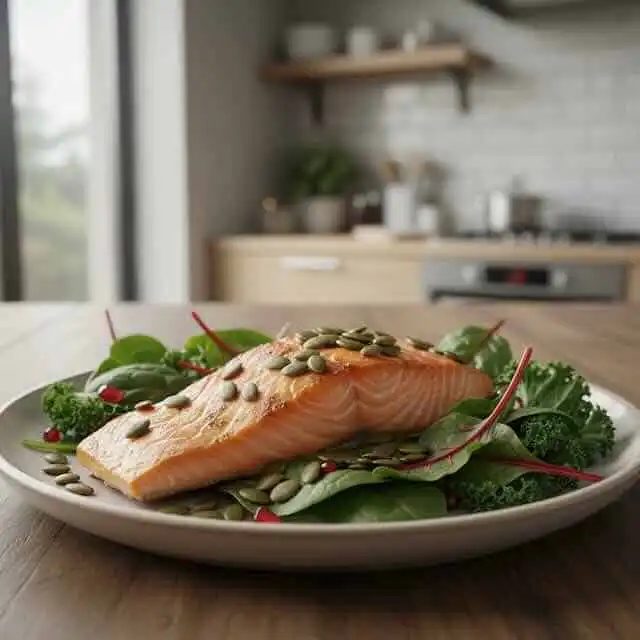
Reach for ingredients that sharpen associative thinking: omega-3s in salmon and walnuts, blueberries high in anthocyanins, and 70%+ dark chocolate for flavonoids that enhance blood flow. Add a single espresso (≈63 mg caffeine) for a short focus boost, but limit caffeine to 200–300 mg/day to avoid jitteriness. For a quick list of mood-supporting picks, see Mood Boosting Foods: 10 Foods for Good Mood & Energy.
Brain-Boosting Nutrients
Pack choline from eggs, B-vitamins from leafy greens and legumes, and magnesium from pumpkin seeds to support neurotransmitter synthesis and stress resilience; studies link these nutrients to better cognitive flexibility and mood regulation. Antioxidant-rich berries and spices like turmeric reduce oxidative stress that can blunt creativity, while plant ALA (flax, chia) offers vegetarian omega-3 support when you don’t eat fish.
Creating a Meal Plan for Inspiration
Try a sample day: oatmeal with walnuts and blueberries for breakfast, Greek yogurt and fruit mid-morning, salmon salad with spinach and avocado for lunch, a dark chocolate square and almonds as an afternoon lift, then turmeric chicken with quinoa and roasted veggies for dinner; eat every 3–4 hours to prevent energy dips that kill creative flow.
Prep a 3-day rotating menu by batch-cooking grains, roasting vegetables, and portioning nuts/seeds so you can assemble inventive plates fast; aim to eat a balanced meal. 60–90 minutes before deep creative work, favor protein+vegetable combos over heavy carbs, and swap matcha for espresso if you need steadier focus from caffeine with L-theanine.
Mindful Eating Practices
You can use food as an emotional regulator by pairing ingredients like omega-3s, magnesium, and B vitamins with simple habits; try salmon, pumpkin seeds, and leafy greens to steady mood and energy, and consult resources like Best Foods to Relieve Stress and Anxiety for practical lists—avoid excess refined sugar, which can spike anxiety and energy crashes.
The Role of Mindfulness in Eating
You notice cravings change when you tune into hunger cues: a short body scan before meals can lower emotional-eating episodes, as observed in 8-week mindfulness programs that reduced perceived stress and reactive eating. Focused chewing amplifies taste, so you often eat less yet feel satisfied. Use breathwork to separate emotion from appetite and track how ingredients like complex carbs and protein stabilize mood.
- Awareness of true hunger vs. habit snacking
- Pause for three deep breaths before the first bite
- Thou use savoring to extend satisfaction and curb overconsumption
Tips for Eating with Intention
You can structure meals so you eat with purpose: plate a palm-sized protein, a fist of vegetables, and a cupped portion of low-glycemic carbs; set a 20-minute minimum mealtime to allow fullness signals to register; Put devices away to reduce distracted overeating and prioritize ingredients that support mood, like fiber and omega-3s.
For daily practice, schedule one intentionally mindful meal per day, track how certain foods change your focus or irritability, and experiment with a consistent pre-meal ritual—light, three-breath centering or a 30-second gratitude note can shift reactive eating into deliberate nourishment.
- Portioning by hand for consistent balance
- Timing meals to avoid long fasts that trigger cravings
- You choose whole foods over ultra-processed options to sustain mood

Mindful Eating Practices
The Importance of Eating with Intention
Savoring meals shifts eating from autopilot to purposeful nourishment; clinical programs report reductions in overeating when people slow down and track hunger. Focus on ingredients that support mood—omega-3-rich salmon, magnesium-packed spinach or dark chocolate, and probiotic yogurt—to stabilize blood sugar and calm stress responses. Noticing portion size, flavors, and satiety cues lets you choose foods that boost energy or soothe anxiety instead of reflexively reaching for convenience snacks.
Techniques for Mindful Eating
Try a simple routine: pause for 3 deep breaths before the first bite, use the hunger scale of 1–10 (eat around 3–4, stop near 6–7), and aim for a 20-minute meal so satiety hormones can register. Put utensils down between bites, chew each mouthful ~20–30 times, and remove screens to prevent distracted overeating.
Track one week by noting mood 10 minutes before and 30 minutes after meals to spot triggers—sweet cravings after a stressful meeting or fatigue prompting carb binges. Alternate bites of protein-rich foods (eggs, Greek yogurt) with fiber (berries, oats) to prolong fullness by hours and blunt cortisol-driven snacking. Small, consistent practices produce measurable changes in appetite control and emotional reactivity.
Conclusion
Presently you can harness food to steady your mood and boost focus: choose omega-3–rich fish and walnuts to ease stress, complex carbs and magnesium-rich greens to combat fatigue, and vibrant fruits, herbs, and fermented foods to spark creativity; by matching ingredients to your emotional needs, you shape well-being through simple, intentional choices.
Summing up
So you can shape your emotional landscape through food: Prioritize omega-3s, complex carbohydrates, magnesium-rich greens, fermented foods, and balanced protein to steady stress, restore energy, and stimulate creative focus; pairing whole foods with regular meals, hydration, and mindful eating helps you convert biochemical support into practical well-being, letting you use diet as a reliable tool for mood management and peak performance.
FAQ
Q: What foods are best when I’m feeling stressed?
A: Aim for ingredients that steady blood sugar, calm the nervous system, and support neurotransmitter balance. Choose complex carbohydrates (oats, sweet potato, quinoa) paired with lean protein (chicken, tofu, Greek yogurt) to prevent energy slumps and reduce cortisol spikes. Include magnesium-rich foods (spinach, pumpkin seeds, almonds) and B-vitamin sources (lentils, eggs, whole grains) to support mood-regulating pathways. Fermented foods (yogurt, kefir, kimchi) and high-fiber vegetables promote a healthy gut microbiome, which influences emotional resilience through the gut–brain axis. Soothing beverages like chamomile or lemon balm tea and small portions of dark chocolate (70% cacao or more) can lower perceived stress and offer quick sensory relief.
Q: What should I eat to combat fatigue and boost sustained energy?
A: Focus on nutrient-dense combinations that provide steady glucose and mitochondrial support. Build meals with a balance of protein (eggs, salmon, legumes), complex carbs (brown rice, buckwheat, oats), and healthy fats (avocado, walnuts, olive oil). Iron- and B12-containing foods (spinach, red meat or fortified alternatives, sardines) help oxygen transport and cellular energy; pair iron sources with vitamin C-rich foods (citrus, bell peppers) to improve absorption. Include seeds and nuts (pumpkin seeds, chia) for magnesium and zinc, which support energy metabolism. Hydration and limiting late-day caffeine improve sleep quality, which in turn reduces daytime exhaustion.
Q: Which ingredients enhance creativity and feelings of inspiration?
A: Choose foods that support blood flow, cognitive flexibility, and sensory engagement. Antioxidant- and flavonoid-rich berries, dark chocolate, and colorful vegetables protect neurons and sharpen focus. Healthy omega-3 fats from fatty fish, walnuts, or flaxseed support synaptic function tied to creative thinking. Polyphenol-rich items (green tea, turmeric, rosemary) can boost alertness and mood. Beets and pomegranate may improve cerebral blood flow, while aromatic herbs and spices (rosemary, citrus zest, and fresh basil) enhance sensory stimulation, which can spark novel ideas. Eating small, varied plates with contrasting textures and colors—plus cooking or sharing meals mindfully—can turn mealtime into a creative ritual that reinforces inspiration.