

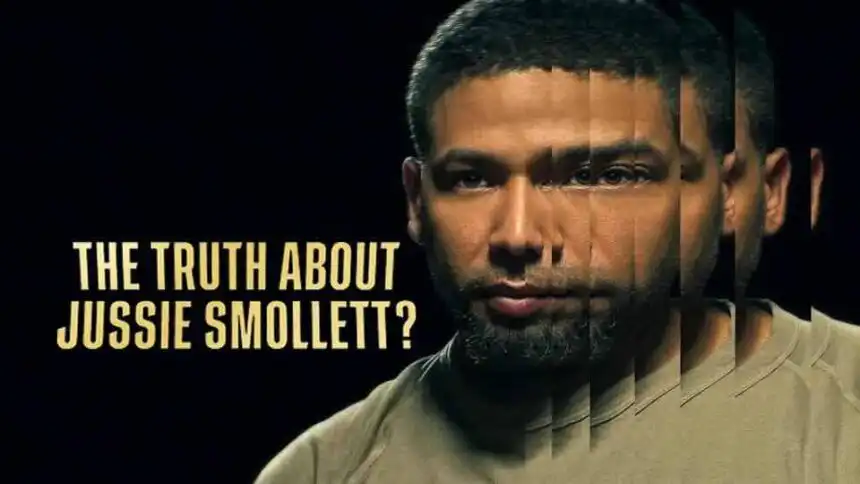
Netflix just dropped The Truth About Jussie Smollett, and let me tell you, it’s a wild ride. Imagine the tension of a courtroom drama mixed with the melodrama of a soap opera… that’s this documentary.
It dives back into one of the strangest pop culture scandals in recent memory: the night Jussie Smollett, once a star on Empire, claimed he was attacked in Chicago in a racist and homophobic incident.
The alleged perpetrators? The Osundairo brothers, whom he reportedly paid to stage the attack. Almost too weird for TV: Smollett says he only hired them to get access to a banned herbal supplement from Nigeria for weight loss.
Pause for a second… internationally sourced herbal products? That’s the twist behind a scandal that dominated headlines and had the country questioning itself. If this weren’t real, it would feel like a Curb Your Enthusiasm plotline.
The documentary paints Smollett as a man tangled between ego, desperation, and vanity. He maintains that he wasn’t lying, at least not in the way the world perceives him. His story is that the payments weren’t about a fake hate crime but about getting the supplements. And yet, legally, he was indicted for filing what authorities said was a false police report.
So, did he lie? Technically, a jury once ruled in favor, but the verdict was later overturned in 2024 on procedural grounds. So here’s the thing: prosecutors and the brothers say that the whole story (masked men, bleach, nooses, and MAGA slogans) was totally made up. But Smollett comes along claiming there’s a “different truth.”

What matters more here: the literal facts or the bigger impact of the story? Either way, people’s trust is taking a hit.
And we can’t ignore the bigger backdrop here: the Chicago Police Department has a long history of mess-ups and botched investigations. From wrongful convictions to procedural slip-ups, their track record definitely hangs over this case.
Most survivors have to deal with extra layers of bias: their stories are less visible, often stereotyped, and rarely taken as seriously, which makes it even harder for their experiences to be believed.
Interestingly, studies indicate that the rate of false reporting for sexual assault is relatively low, ranging between 2% and 8%.
It’s important to recognize that at least 1 in 6 men have experienced sexual abuse or assault in their lifetime.
High-profile stories like this one amplify doubt. And that’s where victim-blaming sneaks in: “Are they exaggerating? Are they making it up?” This isn’t just unfair; it’s dangerous.
Even if you give Smollett the benefit of the doubt, the repercussions are huge, heightening the daily fears communities already navigate. Real victims are more hesitant to come forward, wondering if they’ll be labeled the next “fake story.”
Studies have shown that police officers committed misconduct in nearly 37% of exoneration cases since 1989, with an alarming lack of integrity during investigations.
Fabricated evidence and forensic errors have been contributing to wrongful convictions.
And online? Brutality abounds. People mock, ridicule, and weaponize these events to erode empathy.
The bigger picture is clear: one questionable story doesn’t just embarrass the person at the center; it also reflects poorly on the system in place. It chills courage and undermines justice.
Sometimes performance spills over into real life. In a way, he didn’t just play a character on Empire; he performed publicly, and the audience included all of us.
A little side note: if this all really came down to herbal supplements, it’s a tragicomic reflection of the pressures actors face with appearance, masculinity, and staying camera-ready, leading to absurd decisions. Even trimmed down, the consequences reverberated far beyond the individual.
At the end of the day, the “full truth” might never be knowable. The documentary presents each side’s version, but the public continues to debate who’s telling the truth. And honestly? We might never know it.
When people make up stories or fabricate evidence, it blurs the line between what’s real and what’s not. And trust me, this isn’t just about one person. No matter who you are, your race, your gender, or your identity, respect isn’t optional. It’s just basic human decency.
You may also like reviews about: Aema, Night Always Comes, My Oxford Year, The Handmaid’s Tale, Workin’ Moms, … More Reviews HERE