

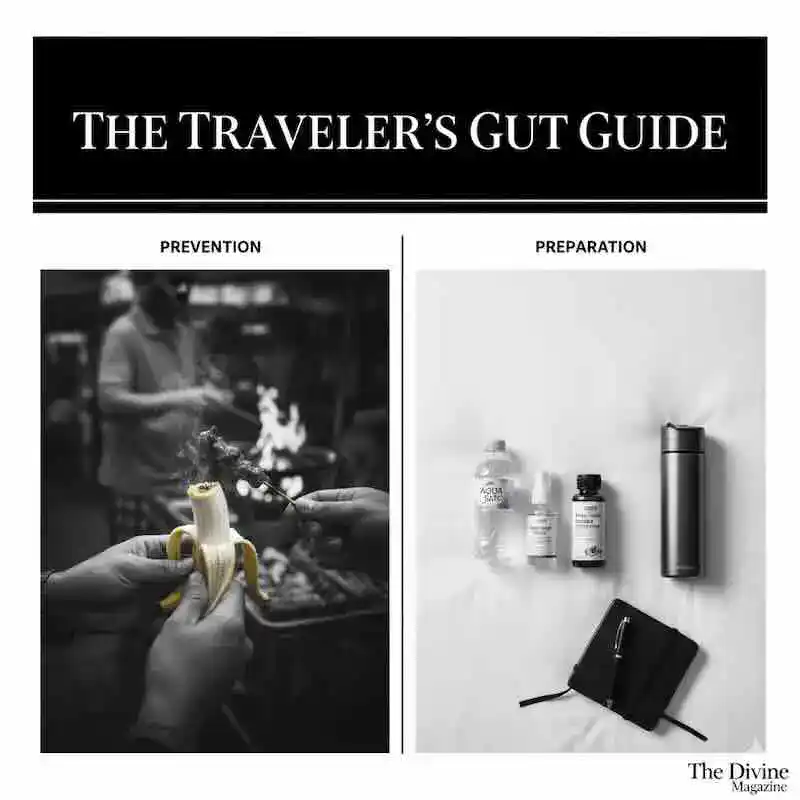
The joy of travel is still unmatched in 2026, but many people are afraid of getting “traveler’s stomach.” Digestive problems can quickly ruin an otherwise perfect trip, whether it’s the famous Delhi Belly, Montezuma’s Revenge, or just an upset stomach from eating foods you don’t know.
You can’t just ignore your gut health anymore; you need to take steps to keep it healthy if you want to explore without any problems.
This guide gives you an architectural way to strengthen your digestive system so that your trips are full of memories instead of misery.
- The “Water Wisdom” Protocol: Staying hydrated and safe with water
Contaminated water or not drinking enough water is the most common cause of stomach problems while traveling.
General Rule: Don’t drink water if you can’t be sure where it comes from. This includes ice cubes, tap water, and even fruits and vegetables that haven’t been washed.
Boil it, bottle it, and filter it: Only drink sealed bottled water (make sure the seal is tight!), use a portable water filter bottle, or boil water for at least one minute.
Stay hydrated: dehydration can make your digestion slow and painful. Bring a bottle that you can use again and again and drink from it often.

- The “Peel It, Cook It, or Forget It” Way of Eating
This old saying is still the best way to eat safely in places where food safety standards are different.
Peel It: You can only eat fruits and vegetables that you can peel yourself, like bananas, oranges, and avocados. Don’t choose options that have already been peeled or cut.
Cook It: Choose meals that are hot and fresh. Avoid buffets with only warm food, raw seafood, or salads of uncertain water cleanliness.
If it looks, smells, or sounds unsafe, don’t eat it. Your stomach will be grateful.
Street Food Savvy: Choose stalls that are busy and have many customers. Cooking all the time keeps things fresh.
- Probiotics and digestive enzymes before a trip: your body’s army
Getting your gut flora ready can make it much stronger against bacteria from outside sources.
Start Early: Take a high-quality, broad-spectrum probiotic for 1–2 weeks before your trip and keep taking it while you’re there. Look for strains such as Lactobacillus and Bifidobacterium.
Digestive Enzymes: If you know you’ll be eating rich, unfamiliar, or high-fat foods, think about taking a digestive enzyme supplement with your meals. They help your body digest food better.
External Link: NCBI has more information on the benefits of probiotics for travelers.
- Alcohol, caffeine, and spice: Use them in moderation.
While part of the travel experience, too much indulgence can upset your stomach and make it more likely to get sick.
Take it easy: Don’t drink too much, especially on long travel days. Drinking alcohol can make you dehydrated and mess up the good bacteria in your gut.
Caffeine Warning: Drinking too much coffee can make you go to the bathroom faster.
Spice Sense: If you’re not used to spicy food, start with small amounts. If you aren’t ready, the heat can shock your gut.
“A HEALTHY GUT IS THE BEST PASSPORT FOR A FEARLESS EXPLORER.”
- Clean hands: Your first line of defense
Many stomach bugs spread by fecal-oral contact, which means they get from someone’s hands to your mouth.
Wash Your Hands Well, use soap and water to wash your hands for at least 20 seconds, especially before eating and after using the bathroom.
Sanitizer Savior: Keep a hand sanitizer with at least 60% alcohol on you for times when you can’t wash your hands with soap and water. Before every meal, use it.
FAQ: Traveling with a Sensitive Stomach
Q: Should I pack medications just in case? A: Absolutely. Pack anti-diarrhea medication (like loperamide), antacids, and any personal prescription medications. Consult your doctor for specific recommendations.
Q: Are fermented foods a beneficial idea while traveling? A: If you are already accustomed to them, yes. If not, introducing new fermented foods in a foreign environment might cause initial discomfort. Stick to what your gut knows.
Q: What if I do get sick? A: Stay hydrated with bottled water, oral rehydration salts (ORS), or clear broths. Avoid solid food initially, and slowly reintroduce bland foods like rice or plain crackers. Rest is crucial. If symptoms are severe or persist, seek local medical attention.
Conclusion
Traveling is an exhilarating journey, and ensuring your gut health is robust allows you to fully immerse yourself in every experience. By adopting these architectural principles of water wisdom, mindful eating, probiotic preparation, moderation, and impeccable hygiene, you’re not just avoiding stomach trouble—you’re building a foundation for truly fearless and unforgettable adventures.
What’s your go-to gut health tip for travel? Share your secrets below!