

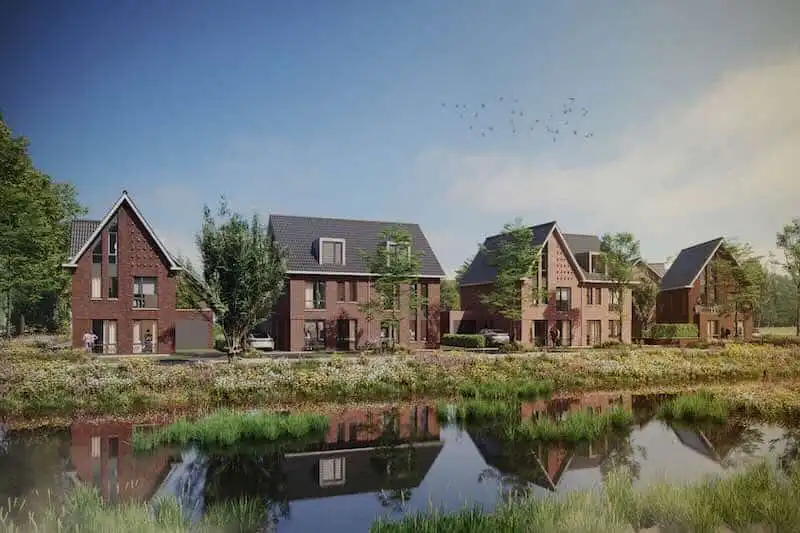
3D rendering services convert digital designs of entire project information into realistic images, virtual tours and animations, providing accurate visualizations of future projects before they are built. These 3D services are used by architects, interior designers, real estate developers and construction companies. These services help clients and stakeholders understand the development, ensuring streamlined communication and reducing costly changes.
- A World in Three Dimensions
- 3D Rendering and Architectural Visualization Services in Practice
- Why 3D Renderings, 3D Floor Plans and Architectural Animation Are Essential in Construction Investments
- Trust the Experts with the 3D Architectural Rendering Services
- Conclusion: Showcase Your Architectural Project with Professional Architectural Visualization Services
A World in Three Dimensions
The realm of 3D architectural rendering has transformed the way we visualize interior design and architectural spaces. It brings the abstract into concrete form with aesthetic appeal, offering a glimpse into the future buildings with interior renderings, exterior visualizations and 3D room layouts renders.
#1 What Are 3D Rendering Services?
3D rendering is the process of converting digital models into realistic images or animations, accurately representing how design elements, product, or space will look in reality. This process involves transforming three-dimensional models into two-dimensional images that can showcase either photorealistic or artistic styles. The end result is a visual representation that mirrors real-world appearances, making it easier for clients and stakeholders to understand and engage with a investment. Architectural rendering services are provided by architectural rendering companies, that specialize in creating photorealistic visualizations to capture every detail, providing clients with an immersive experience that static blueprints renders simply cannot offer.
Architectural visualization companies deliver a broad range of rendering services, including interior renderings, exterior renderings, and even product rendering services. Whether it’s a static image, an architectural animation, or a virtual tour, these dynamic visual representations help bring interior spaces and architectural designs to life.
#2 How the Rendering Process Has Evolved Over the Years
The evolution of 3D rendering has been nothing short of remarkable:
- In the 1970s, it began with basic computer-generated visuals.
- During the 1980s, innovations like texture mapping significantly advanced architectural visualization techniques.
- It has since grown into a sophisticated tool that produces photorealistic images and immersive virtual experiences.
Today, the integration of augmented and virtual reality technologies has expanded the applicability of 3D rendering across various sectors, allowing for environmental simulations and detailed visual storytelling.
More Read

3D Rendering and Architectural Visualization Services in Practice
The practical applications of 3D rendering in interior design and architectural developments are vast. Utilizing advanced tools and workflows, 3D rendering significantly enhances the realism of visual outputs, making it an invaluable asset in modern investments.
#1 How Visualizations “Speak” to the Client
A realistic 3D image communicates ideas more effectively than technical drawings or descriptions, helping clients instantly understand the project before construction begins. 3D visualizations bridge communication gaps between clients and architects by providing clear communication representations of concepts and designs, which is crucial in ensuring that everyone is on the same page. Additionally, realistic visualization enhances the overall understanding of the development and provides high-end marketing materials.
Photorealistic 3D images clarify design concepts, allowing clients to visualize spaces accurately, which enhances understanding and fosters emotional engagement. These visuals (interior renderings, exterior renderings) are not just about aesthetics. They are visual representations that speak volumes about the project’s potential, helping potential customers make informed decisions with confidence.
#2 Types of 3D Visualizations: Static Image vs. Animation vs. Virtual Reality
Depending on your next project goals, 3D rendering services can take the form of:
- Still images like bird’s eye view images, eye-level exteriors and interior renderings are ideal for showcasing final designs, furniture placement and capturing every detail with precision.
- Motion sequences: Dynamic animations, or architectural animations, illustrate how a space functions, providing a more comprehensive view of the design ideas in action.
- Interactive VR experiences: These allow clients to explore designs from every angle as in real life.
Interactive virtual reality experiences and flythrough animations let clients immerse themselves in the design, exploring every nook and cranny as if they were physically present. These virtual tours offer an unparalleled level of engagement, allowing potential buyers to experience the real estate space in a way static images cannot achieve.
#3 Stages of Creating a High-Quality Visualization by Rendering Companies
Creating a high-quality 3D visualization by rendering companies involves several essential stages. The 3D process begins with modeling, where digital models of the design are created.
Next, camera setup is crucial to ensure that the final render captures the best angles and perspectives of the design.
This is followed by texturing, which involves adding surface details to the models to enhance their realism.
Lighting is then set up to mimic real-world conditions, giving the render its photorealistic quality.
Finally, post-production is where the magic happens. This stage involves refining all the details of all development process, adjusting colors, and enhancing visual clarity, ensuring that the final output meets professional standards and creates exceptional results. Each of these stages requires careful attention to detail to achieve stunning visuals that accurately represent the design concepts.
Why 3D Renderings, 3D Floor Plans and Architectural Animation Are Essential in Construction Investments
3D rendering and other rendering services are not just a way of creating beautiful images. They play a crucial role in the success of construction process. 3D rendering services significantly enhances communication among architects, clients, real estate managers, and contractors, making design process details clearer and more accessible.
#1 Project Verification Before the First Shovel Hits the Ground
Renderings allow investors and architects to analyze and refine a project before breaking the ground begins, minimizing costly changes later. Stakeholders can catch design flaws early with 3D renderings, potentially saving significant resources by avoiding late-stage modifications. This verification process is invaluable in ensuring that the project progresses smoothly and efficiently.
3D renderings also facilitate the verification process by allowing project managers and teams to compare proposed designs against actual site conditions in real-time. This alignment between design and reality helps in the seamless execution of the project, ensuring that the final outcome matches the initial vision.
#2 Realistic 3D Imagery Builds Trust and Speeds Up Transactions
Photorealistic renderings help clients, buyers, and stakeholders visualize the final result, increasing confidence and accelerating decision-making. High-quality, lifelike renderings can reduce buyer hesitation and foster quicker commitments from clients by providing a clear representation of the finished project.
Having access to realistic 3D architectural renderings can lead to quicker approvals and decisions from clients, as it simplifies their understanding of the project, allowing users to gain enhanced clarity and confidence that translate into faster transactions and a smoother investment process.
#3 3D Rendering Is More Than Aesthetics
Beyond visual appeal, interior and exterior rendering delivers practical benefits – streamlining communication, reducing misunderstandings, and improving project coordination. Rendering not only improves visual appeal but also enhances project organization and team collaboration by providing a common reference point.
3D rendering enhances project collaboration by creating a shared visual reference that improves communication among teams and stakeholders. This common visual language ensures that everyone involved in the project is aligned, resulting in a more cohesive and efficient execution.
Trust the Experts with the 3D Architectural Rendering Services
Hiring professional 3D rendering services can make a significant difference in the quality and efficiency of your project. These experts bring a wealth of knowledge, experience, and advanced tools to the table, ensuring that your project is rendered with exceptional quality, often without any extra cost.
#1 Saving Time and Money
Professional architectural rendering studios optimize workflows and deliver results faster, avoiding costly trial-and-error. Incorporating 3D rendering early in projects enables quick identification and correction of design flaws, preventing costly later modifications. Using this approach can greatly reduce both time and expenses, making the overall process more cost-effective.
#2 Access to Professional Tools
Specialists use advanced software and hardware to ensure precision, realism, and scalability for any project size. Utilizing high-end rendering tools and a dedicated team, along with a powerful tool, enables the creation of intricate and realistic visuals that enhance the overall presentation quality, providing a competitive edge.
#3 Knowledge and Experience
Experienced render artists understand lighting, materials, and design principles – turning ideas into visuals that truly represent your vision. Veteran artists possess the skills to manipulate light and texture, producing visuals that accurately embody the intended design concept.
This expertise ensures that the final renderings are not only visually stunning but also effective in conveying the project’s success.
Conclusion: Showcase Your Architectural Project with Professional Architectural Visualization Services
Professional 3D rendering services offer several benefits:
- Enhance communication between architects and clients, allowing for a clearer understanding of complex designs.
- Provide realistic visualizations that can significantly speed up project approvals.
- Engage clients more effectively.
- Improve marketing strategies.
- Attract potential clients by showcasing projects in an immersive way.
By trusting professional rendering studios, you can bring your architectural projects to life, ensuring that every detail is captured with high-end quality.
Ready to Bring Your Architectural Projects to Life?
Partner with ? Render Art Studio for 3D architectural renderings that captivate clients and elevate your projects.