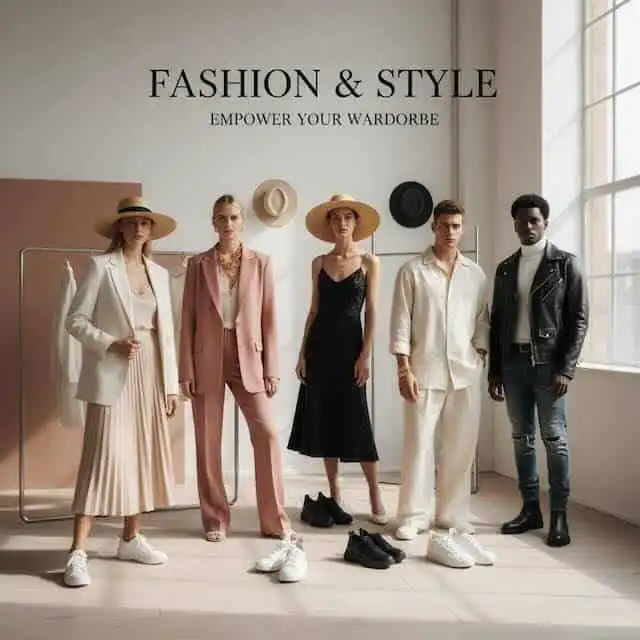


In today’s professional world, a woman’s appearance—especially her dress code—can influence not only how she is perceived but also the opportunities she receives. From first impressions in interviews to daily interactions in the workplace, attire plays a significant role in shaping career trajectories. In this article, we’ll explore the complex relationship between women’s dress codes and career advancement, offer tips for building a confident professional image, and discuss how to challenge outdated stereotypes for a more inclusive future.
“Never judge a book by its cover.” We’ve all heard the saying, but in the workplace, appearances often speak before we do. For women, getting dressed for work isn’t just about personal style: it’s a careful calculation.
Whether a choice is too formal, too casual, too bold, or too plain, it carries significant weight. Whether it’s makeup, hair, heels, or a simple wedding ring, these details influence how women are judged far beyond professionalism.
The Unwritten Rules
Most offices have a dress code, but what’s trickier are the unspoken expectations. Women are supposed to be polished but not too flashy. Put-together, but not high-maintenance. Strong, but still “approachable.” A man wearing a standard business suit automatically satisfies the professionalism requirement. A woman? Her appearance is dissected.
Wear too much makeup, and you might seem untrustworthy. Wear none, and suddenly, you look “tired” or “unprepared.” Flats? You’re too casual. Heels? Now you’re attempting too much. A natural hairstyle might be perceived as “unprofessional” in conservative workplaces, while a sleek blowout is considered more “polished.” Even tiny details, like wedding rings, nail polish, and the price tag of your handbag, can influence how you’re perceived. Too flashy? You must come with money. No ring? People start speculating about your personal life.
Height and weight also factor in. Taller women often appear to command more authority, while plus-sized women face outdated biases about “professionalism” or “discipline.” And let’s not even get started on Black women’s natural hair. Despite progress, the bias against afros, braids, and locs lingers in many industries.
More Read

Double Standards in “Professionalism”
It’s no secret that appearance affects how women are treated in the workplace. Studies show that women who wear the right amount of makeup are seen as more competent. Too much? You’re “trying too hard.” Too little? You’re not polished enough.
Tattoos, piercings, and religious symbols add another layer to the equation. A woman in a hijab may be judged differently than her colleagues, even if she’s the most qualified person. While a visible tattoo may not pose a problem in creative industries, it could potentially cause arousal in a corporate boardroom. Even dressing modestly can spark unsolicited opinions. There’s a fine line between being true to yourself and being seen as a “good fit” for the company’s culture—and women have to navigate it constantly.
And then there’s motherhood. Women returning from maternity leave often face assumptions about their availability and ambition. Even the simple act of pumping milk at work can be complicated. Many workplaces still lack proper lactation spaces, and the stigma around “taking too many breaks” can make new mothers feel like they have to choose between their baby’s needs and their job security. Meanwhile, fathers who leave early for daycare pickup are often praised for being involved parents, while mothers doing the same are considered “less committed.” Some workplaces have even coined the term “pumping breaks,” adding another layer of scrutiny to working mothers.
Progress And New Battles
Conversations around equity and inclusion have forced companies to rethink outdated dress codes and appearance standards. Some workplaces are moving toward a more relaxed, employee-first approach, shifting focus away from looks and onto actual skills and performance. However, change is slow, and the burden still falls on women to figure out the “right” way to present themselves.
There is a positive aspect to this shift. One positive development is the increasing prevalence of remote and hybrid work. Without daily in-person scrutiny, many women have found relief from the pressures of dressing for the office. No need to worry about whether your heels are “professional enough” or your hair looks “good.” Instead, the focus can shift to actual work. Remote work has also helped level the playing field for women who might otherwise face appearance-related biases in the office. However, some women have found that being less visible in a remote setting has made it harder to receive promotions or recognition, proving that the politics of appearance don’t just disappear—they evolve.
Therefore, where do we go from here? The real question isn’t whether women will keep adjusting to the rules but when those rules will stop being one-sided. When will women be evaluated based on their expertise rather than their attire? When will bold lipstick or a simple ponytail become more than just a fashion statement? Until that day comes, the politics of appearance will continue to shape women’s workplace experiences, one unwritten rule at a time.
External Links:
- Harvard Business Review – How Appearance Affects Leadership Perceptions
(Research on appearance and professional perceptions.) - Forbes – Dress for Success: Why Appearance Still Matters
(Insights into the impact of attire on career advancement.) - The Muse – What to Wear to Work: A Guide for Women
(Modern tips for professional attire.) - Psychology Today – The Power of First Impressions
(Why appearance and first impressions matter.) - Lean In – Women, Work, and the Power of Dress
(Empowerment and breaking stereotypes in the workplace.)