

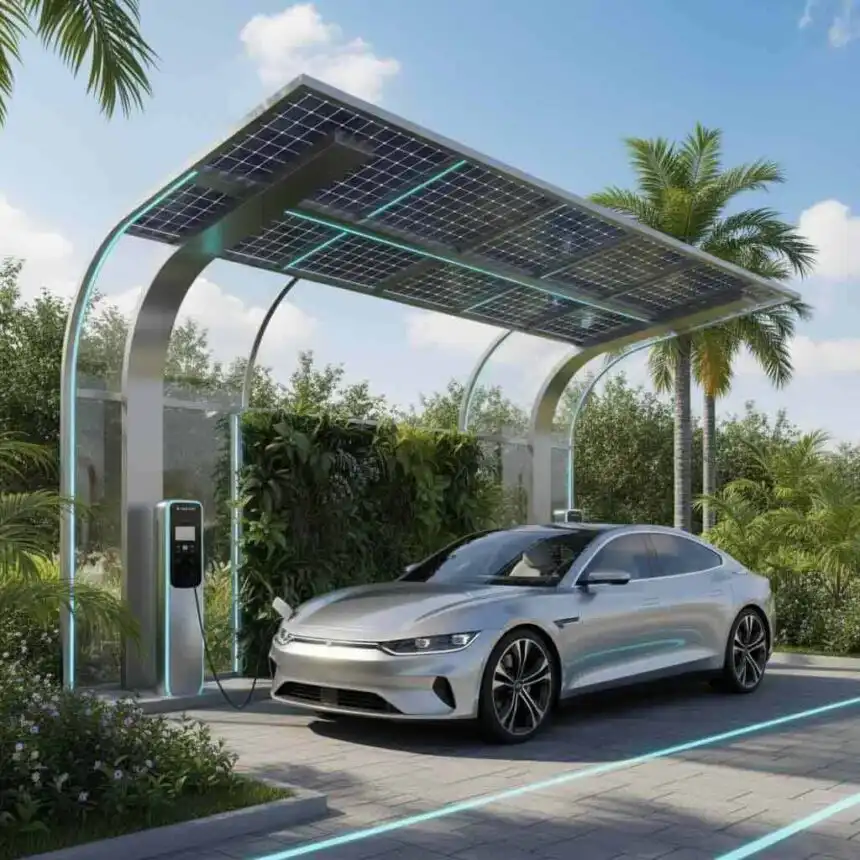
With the rise of sustainable transportation and innovative automotive technology, electric cars are quickly becoming a popular choice for drivers worldwide. But is making the switch to an electric vehicle (EV) the right move for you? In this article, we’ll break down the benefits of EVs, important factors to consider before buying, and practical tips to help you decide if you’re truly ready to embrace the future of driving.
Maybe you’ve been swayed by the online hype, or maybe you’ve already dabbled in using electric bikes, but now you’re seriously thinking that you just might be ready to take the next step. But are you truly prepared to own your own electric car?
With governments offering incentives for those who are looking to buy an electric vehicle (EV), it’s no wonder that more and more people around the world are making the transition from gasoline-powered automobiles to their electric counterparts. Other influencing factors are the continuing advancements in battery technology, vehicle performance, and charging infrastructure. It’s definitely easier to make the electric switch now, but you need to understand that owning and maintaining an EV requires some education on the subject first before you actually sign that contract.
What makes electric automobiles an attractive option for buyers?
- These cars are environment-friendly because they produce zero tailpipe emissions, which contributes to cleaner air and reduces the amount of greenhouse gases in the atmosphere.
- Electricity tends to be cheaper than gasoline, so you’d end up saving a lot on fuel costs. Since EVs have fewer moving parts, they also reduce maintenance expenses.
- As mentioned earlier, many governments offer their citizens rebates, tax credits, and various other incentives to encourage them to buy electric cars. So, you’d be saving money when you purchase one.
- Electric motors can give you instant torque, so you can accelerate much more quickly. You’ll also get to enjoy a smooth and quiet ride due to a lack of engine noise.
What are the key EV components you need to know?
- Your electric car’s heart, the battery, stores the electrical energy required to power the motor.
- The electric motor takes this electrical energy from the battery and converts it to mechanical energy, which makes the car move.
- An inverter converts the battery’s direct current (DC) power to alternating current (AC) power for the electric motor.
- The charging system allows you to replenish the battery using an external source, and this system typically includes an onboard charger, a charging port, and charging cables.
What information is essential when it comes to charging an EV?
When it comes to charging your EV, there are three main levels:
- Level 1 is the slowest method because it uses a 120-volt household outlet. It’s a beneficial option if you prefer overnight charging for your vehicle or if you need to top up your battery.
- Level 2 uses a 240-volt outlet and is significantly faster compared to Level 1. For the majority of EV owners, this is also the most popular charging method.
- Level 3 uses high-power DC chargers and can give your battery a significant amount of charge in only a short time. It’s also known as DC rapid charging, and it’s what’s typically available at public charging stations.
How do you maintain an electric vehicle?
Though EVs are easier to maintain than traditional gasoline cars, you still need to do regular maintenance work to make sure they keep performing well.
- Maximize your battery life by avoiding consistently charging up to 100% and draining it to 0%. The most common recommendation is to keep the battery charge between 20% and 80%. You should also minimize its exposure to temperature extremes since these can accelerate the degradation of the battery. Always use the appropriate level of charging and avoid using DC fast charging too frequently since these processes can heat up and stress the battery.
- EVs tend to be heavier compared to non-electric cars because of their battery packs, and the instant torque can cause increased wear on your tires. Make sure that you schedule regular alignments, tire rotations, and pressure checks. Engage the services of professional Gold Coast tyre and auto specialists to help you look after your tires.
- Most electric automobiles use regenerative braking, which helps to recharge the battery while slowing down the vehicle. Although such care also lessens the rotor and brake pad wear and tear, it’s still a good idea to schedule an occasional inspection and check your brake fluids on a regular basis.
- Electric cars have cooling systems that regulate temperatures for the motor, battery, and different electronic components. It’s important to check coolant levels often to make sure the system’s integrity isn’t compromised.
- Replace your cabin air filters on a regular basis to ensure you keep breathing good-quality air inside your ride. This is especially important if you have family and children using the vehicle, too. Replace windscreen wipers as well once they become too worn.
- Make sure that your EV is able to receive any software updates by either keeping it connected to Wi-Fi or using a cellular connection. Manufacturers push these software updates over the air to add new features, resolve potential issues, and generally enhance your vehicle’s performance.
What’s the best maintenance schedule for EVs?
Most manufacturers typically recommend that drivers get their electric cars inspected and serviced every 12 months. Some would also recommend that you do maintenance work every 16,000 to 32,000 kilometers (roughly 10,000 to 20,000 miles). Whichever may come first, always make sure that you get a professional to inspect the motor, battery, and other electrical parts. Check the tires, brakes, and suspension; replace the filters; and check and top up coolant and brake fluids.

You can enjoy many benefits if you’ve got your own electric automobile, and these benefits include lower running costs and a wonderful driving experience, not to mention the fact that you’re helping protect the environment. Just remember that for all the technological advancements packed into its body, an EV still requires regular care so that it will provide you with a fantastic performance that can last for years. By understanding all that goes into looking after your electric vehicle, you can be sure to enjoy a smooth, trouble-free experience. So, with all that said, are you finally ready to be the proud owner of an electric car?
External Links:
- U.S. Department of Energy – Electric Vehicles 101
(Comprehensive EV basics, charging, and ownership info.) - Edmunds – Should You Buy an Electric Car?
(Pros, cons, and practical advice for EV shoppers.) - Consumer Reports – Guide to Electric Cars
(Buying guide, reviews, and cost analysis.) - The Guardian – What to Know Before Buying an Electric Car
(UK-focused but globally relevant EV tips.) - Plug In America – EV Incentives and Resources
(Up-to-date info on incentives and resources for EV buyers.)