

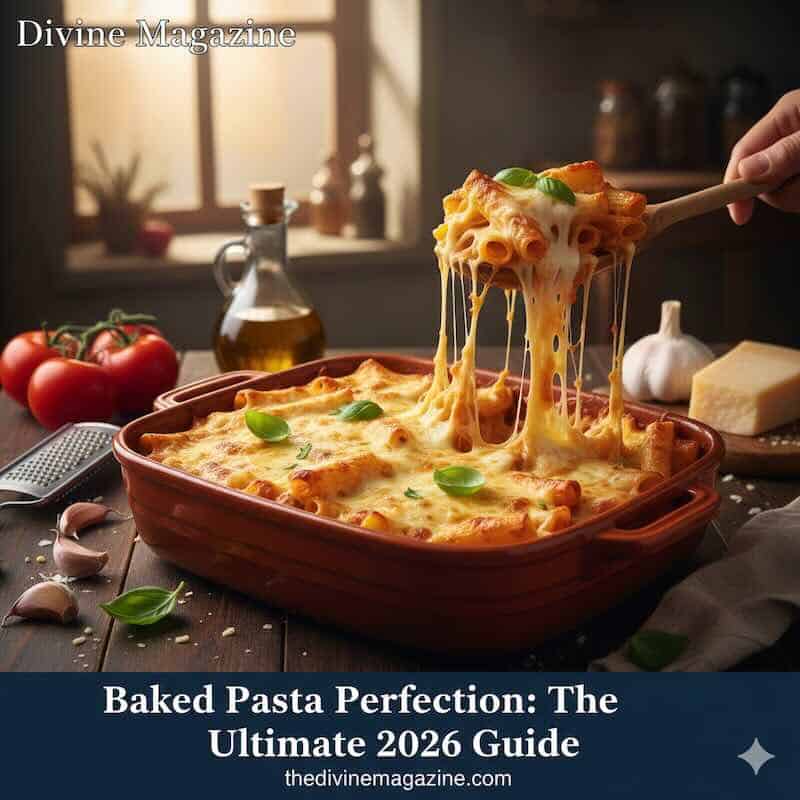
Baked pasta isn’t just back—it’s having a moment. In 2026, this once‑humble classic has stepped into the spotlight with a newfound confidence, blending nostalgia with a modern, science‑savvy approach to cooking. Say the words, and you can practically hear the cheese sizzling, see the golden crust forming, and feel the warmth of a dish that knows exactly how to charm a crowd.
Today’s baked pasta is smarter, sassier, and infinitely more intentional. We’re no longer tossing noodles into a pan and hoping for the best. We’re balancing textures, choosing cheeses with personality, and letting the oven perform its slow, magical alchemy. With a little help from culinary science—and yes, even AI‑powered insight—we’re decoding what makes every bite taste like a cozy night in, a dinner‑party win, and a culinary hug all at once.
✨ The Baked Pasta Comeback
“Comfort food with a passport—and a glow‑up.”
What makes baked pasta irresistible right now is the perfect blend of old‑school comfort and new‑school technique. We’ve all endured the versions that were too dry, too soupy, or mysteriously bland. But modern cooks understand the tiny miracles happening inside that casserole dish: starch absorbing sauce, cheese transforming under heat, and textures shifting into harmony.
This is baked pasta’s transformation era—and we’re here for it.
1. The Noodle Architecture: Choosing Your Foundation
The right pasta shape is the structural engineer of your baked dish. It needs to hold up to the bake and cradle the sauce.
- Rigatoni, Ziti, Penne: These tubular shapes are champions. Their hollow interiors trap sauce, and their robust walls prevent mushiness. They’re the workhorses of the baked pasta world.
- Lasagna Sheets: For layered masterpieces, fresh pasta sheets are always superior for texture, but good quality dried sheets work well too, especially if you par-boil them until al dente.
- Avoid Delicate Shapes: Spaghetti, linguine, or angel hair are too delicate. They’ll either clump or disintegrate under the heat.
Further reading:
More Read

Serious Eats – Guide to Pasta Shapes: https://www.seriouseats.com/guides/pasta-shapes
2. The Sauce: The Heartbeat of Your Dish
The sauce isn’t just a coating; it’s the lifeblood. For baked pasta, you need a sauce with substance and moisture.
- Bolognese, Ragu, Marinara with Meat: These rich, hearty sauces are ideal. Their thickness prevents the pasta from drying out in the oven.
- Bechamel/White Sauce: Essential for creaminess and for dishes like lasagna or mac and cheese. A good bechamel creates a luscious, binding layer.
- Moisture is Key: Unlike stove-top pasta, baked pasta continues to absorb liquid. Your sauce should be slightly looser than you’d typically make it. If it seems perfect on the stovetop, it’s likely too thick for the oven.
Explore the science:
America’s Test Kitchen – Why Sauce Thickness Matters: https://www.americastestkitchen.com/cooksillustrated
Giallo Zafferano – Authentic Italian Sauces: https://www.giallozafferano.com
3. The Cheese Cloak: Layers of Golden Perfection
Cheese isn’t just a topping; it’s a structural and flavor component.
- The Melters: Mozzarella (low-moisture, shredded) and Fontina are excellent for gooey, stretchy layers.
- The Flavor Bombs: Parmesan, Pecorino Romano, or a sharp cheddar add incredible depth and a salty kick.
- The Crust: A final sprinkle of Parmesan or breadcrumbs mixed with a touch of olive oil on top creates that irresistible golden-brown crust.
4. Par-Cooking the Pasta: The Al Dente Mandate
This is arguably the most critical step for avoiding mushy pasta.
- Undercook It: Cook your pasta for about 2-3 minutes less than the package directions for al dente. It should still be quite firm.
- Why? The pasta will continue to cook and absorb moisture in the oven. If you cook it fully beforehand, it will become overcooked and mushy during the bake.
The Baked Pasta Blueprint in Action
- Prep Your Sauce: Make your chosen sauce (Bolognese, Marinara, etc.). Remember, keep it a little loose.
- Par-Cook Pasta: Boil your pasta. 2-3 minutes shy of al dente. Drain well.
- Combine & Coat: In a large bowl, gently mix the par-cooked pasta with most of your sauce. Ensure every piece is coated.
- Layering Magic:
- Spoon a thin layer of sauce on the bottom of your baking dish.
- Add half the pasta mixture.
- Layer with half of your melting cheese (mozzarella, fontina) and a sprinkle of Parmesan.
- Repeat with the remaining pasta, cheese, and a final generous layer of sauce.
- The Topping: Finish with your crusting cheese (Parmesan) and/or breadcrumbs.
- The Bake: Cover with foil and bake at 375°F (190°C) for 20-25 minutes.
- The Reveal: Remove the foil and bake for another 15-20 minutes, or until bubbling, golden brown, and irresistible.
- The Rest: Let it rest for 10-15 minutes before serving. This allows the sauce to set and prevents a watery mess.
FAQ: Your Baked Pasta Questions Answered
Q: Can I assemble baked pasta ahead of time? A: Absolutely! This is one of its superpowers. Assemble the dish completely, cover tightly with foil, and refrigerate for up to 2 days. When ready to bake, let it sit at room temperature for 30 minutes while the oven preheats, then bake as directed (you might need an extra 10-15 minutes covered).
Q: My baked pasta always turns out dry. What am I doing wrong? A: Most likely, your sauce isn’t wet enough, or you’re overbaking it. Ensure your sauce is on the looser side, and always cover the dish for the first part of the bake to trap moisture.
Q: What about a vegetarian option? A: Delicious! Use a rich marinara sauce, and add sautéed vegetables like zucchini, eggplant, bell peppers, or spinach. Ricotta cheese mixed with an egg and herbs also adds wonderful creaminess and protein.
Conclusion
Baked pasta isn’t just a meal; it’s a canvas for comfort, a symphony of flavors, and with a little AI-humanized guidance, a dish you can master every time. By understanding the “why” behind each step—from noodle architecture to sauce consistency and the perfect al dente—you elevate your baked pasta from good to unforgettable.
So next time you crave that bubbly, cheesy goodness, remember your blueprint. Your taste buds (and your family) will thank you.
Building on our architectural guide, here is the technical breakdown for a Classic Baked Ziti with Bolognese.
| Component | Ingredients | Procedure Highlights |
| The Pasta | 1 lb (450g) Ziti or Rigatoni | Boil in salted water 2–3 mins less than package directions. Drain and set aside. |
| The Bolognese Base | 1 tbsp Olive Oil, 1 Onion (diced), 2 Carrots (minced), 2 Celery stalks (minced), 3 Garlic cloves | Sauté vegetables (mirepoix) until soft and translucent (approx. 8–10 mins). |
| The Proteins | 1/2 lb Ground Beef (80/20), 1/2 lb Ground Pork or Italian Sausage | Brown meat with vegetables, breaking into small crumbles. Drain excess fat. |
| The Liquid Gold | 1/2 cup Dry White Wine, 1/2 cup Whole Milk, 28 oz Crushed Tomatoes | Deglaze with wine, add milk (for silkiness), then tomatoes. Simmer for at least 30 mins. |
| The Creamy Layer | 15 oz Ricotta, 1 Egg (beaten), 1/4 cup Fresh Parsley | Whisk together to create a stable, fluffy “moisture barrier” within the layers. |
| The Cheese Cloak | 2 cups Mozzarella (shredded), 1/2 cup Parmesan (grated) | Use half inside the layers and half for the final golden crust. |
Step-by-Step Assembly
- Foundation: Spoon 1 cup of Bolognese sauce onto the bottom of a 9×13 baking dish.
- First Floor: Toss the par-cooked ziti with half of the remaining sauce. Layer half of this pasta into the dish.
- Insulation: Spread the entire ricotta mixture over the pasta. Top with a handful of mozzarella.
- Roofing: Add the remaining pasta, then pour the rest of the Bolognese over the top.
- The Seal: Sprinkle generously with the remaining mozzarella and Parmesan.
- The Bake: Cover with foil (sprayed with oil so it doesn’t stick!) and bake at 375°F (190°C) for 20 minutes. Remove foil and bake for another 15 minutes until the cheese “shield” is bubbling and golden.
Quick Tips for Success
- The Rest Period: Let the dish sit for 10 minutes after taking it out of the oven. This allows the internal architecture to set, ensuring clean slices rather than a “pasta landslide.”
- Wine Swap: If you prefer not to use wine, use 1/2 cup of beef broth with a teaspoon of balsamic vinegar for that necessary hit of acidity.
- Fresh vs. Dried: If using fresh herbs (basil/oregano), add them at the very end of the sauce simmering process to preserve their bright aromatic profile.
The 2026 Wine (and Mocktail) Pairing Guide: Baked Ziti Edition
A classic Baked Ziti with Bolognese is an architectural heavy-hitter. You have the acidity of the tomatoes, the fat from the ground meat and ricotta, and the char from the bubbly cheese crust. To create a successful pairing, you need a beverage that can stand up to these intensities without getting lost.
The Wine Selection Architecture
In 2026, the trend is moving toward “Regional Harmony”—pairing the dish with wines from the same soil where the recipe originated.
1. The Red Choice: Sangiovese (Chianti Classico)
- Why it works: Sangiovese is a high-acid, medium-tannin grape. The acidity in the wine mirrors the acidity in the tomato sauce, preventing the wine from tasting flat.
- Flavor Profile: Red cherry, sun-dried tomato, and herbal notes that echo the oregano in your Bolognese.
- 2026 Pro Tip: Look for a Chianti Classico Riserva; the extra aging provides the structural “heft” needed to cut through the heavy ricotta and mozzarella layers.
2. The Bold Choice: Barbera d’Asti
- Why it works: Barbera is famous for having very low tannins but incredibly high acidity. This makes it a “palate cleanser”—it “scrubs” the fat of the meat and cheese off your tongue, making every bite of pasta taste as fresh as the first.
- Flavor Profile: Juicy blackberry and bright plum.
3. The White Choice: Oaked Chardonnay
- Why it works: Many people assume reds are mandatory for meat, but a full-bodied, oaked Chardonnay has the buttery “mouthfeel” to match the creaminess of the ricotta.
- Flavor Profile: Vanilla, toasted oak, and yellow apple.
2026 Alternative Pairings (Non-Alcoholic)
For those looking for high-performance flavor without the alcohol, 2026 has introduced sophisticated “Proxies” and botanical blends.
| Beverage Type | Recommendation | Why it Pairs |
| NA Red Wine | Moderato Le Rouge | High tannin structure and dark berry notes mimic a Cabernet blend. |
| Botanical Soda | Blood Orange & Rosemary | The citrus acidity matches the tomato; the rosemary matches the herbs. |
| Sparkling Water | San Pellegrino + Lime | Simple and effective; the bubbles cut through the cheese fat. |
Pairing Principles for the Home Chef
- Acidity vs. Acidity: If your sauce is tangy, your wine must be tangier. If the wine has lower acidity than the food, the wine will taste “flabby” or metallic.
- The Tannin Trap: Avoid very high-tannin wines (like a young Napa Cab) with spicy red sauces; the tannins can make the spice feel unpleasantly hot on your palate.
- Temperature Matters: Serve your reds slightly cool (around 15-18°C). A warm red wine will emphasize the alcohol and overpower the delicate herbs in your Bolognese.