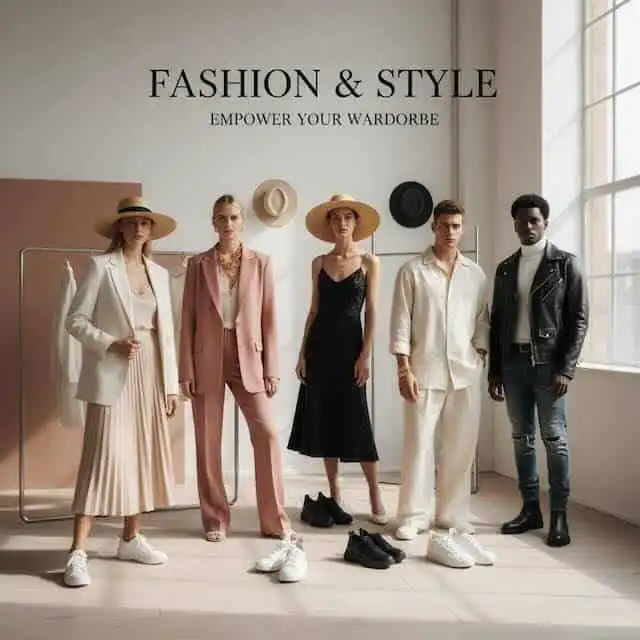


Fashion in 2025 is all about celebrating every body, every identity, and every story. The inclusive style movement is finally getting the spotlight it deserves, making it easier than ever for everyone to express themIn 2026, the fashion industry has reached a turning point.
We are no longer just talking about “diversity” as a buzzword; we are witnessing a complete restructuring of how clothing is designed, marketed, and worn. As “Conscious Maximalism” and “Personal Style” take center stage this year, the focus has shifted toward Radical Inclusivity—where fashion truly meets function for every body, ability, and identity.
Here is your definitive guide to navigating the inclusive style landscape of 2026.
1. Adaptive Fashion: The Mainstream Revolution
Gone are the days when adaptive clothing was a niche market found only in specialty shops. In 2026, major global retailers have integrated adaptive features into their core collections.
- Key 2026 Features: Look for “Invisible Adaptation.” This includes magnetic closures hidden behind traditional buttons, seated-cut trousers that prevent bunching for wheelchair users, and modular sleeves that accommodate limb differences without sacrificing style.
- Style Tip: High-fashion brands are now releasing “Easy-Entry” evening wear, proving that glamour and accessibility go hand-in-hand.
2. Sensory-First Design
As neurodivergent awareness reaches an all-time high, Sensory-Friendly Fashion has become a top trend for 2026. This movement prioritizes the “tactile experience” of clothing.
- The Trend: Garments are being designed with flat-felled seams, tagless labels, and “Quiet Fabrics”—materials like bamboo-silk and milk-fiber that offer a soothing skin feel.
- The 2026 Aesthetic: Think “Cocooning Layers.” Oversized, weighted knits and soft-structured silhouettes provide emotional comfort and sensory grounding.
3. Beyond the Binary: Fluidity as Standard
Gender-fluid fashion in 2026 is moving away from “unisex” (which often just meant oversized basics) toward Universal Silhouettes.
More Read

- The Shift: Designers are creating clothes based on “Body Architecture” rather than gendered sizes. Expect to see “adjustable-fit” blazers and wrap-around skirts that drape elegantly on any frame.
- Color Story: WGSN’s 2026 color of the year, Blue Aura, leads the way—a calming, trans-seasonal hue designed to be universally flattering and gender-inclusive.
4. Size Inclusivity 2.0: The End of “Extended Sizing”
In 2026, the term “extended sizing” is becoming obsolete. Leading brands have moved toward Unified Grading, where every piece in a collection is available from 00 to 40 as a standard.
- Digital Fitting: Augmented Reality (AR) fitting rooms are now the norm. These tools allow you to see how a fabric will stretch or drape on your specific measurements, reducing “size anxiety” and environmental waste from returns.
- Trend Watch: 2026 is the year of Functional Tailoring for plus-size bodies—structured corsetry, power suits, and high-performance activewear that prioritize support and movement.
5. Technology & Customization: The “Agentic” Era
With the rise of “Agentic AI” in 2026, shopping has become deeply personal. Personal AI style agents now help users find clothes that meet their specific physical needs and ethical values.
- On-Demand Manufacturing: To be truly inclusive of all heights and proportions, more brands are offering “micro-manufacturing”—where a garment is laser-cut and sewn to your exact proportions within days of ordering.
- Sustainable Inclusion: 2026 also sees the rise of Recycled Inclusive Fashion. Second-hand platforms are now using AI to help shoppers find pre-loved items that fit their unique accessibility requirements.
How to Build Your Inclusive Wardrobe in 2026
- Seek the “ROC” Label: Look for Regenerative Organic Certified fabrics that are as kind to your skin as they are to the soil.
- Invest in “Modular” Pieces: Choose items with detachable elements (sleeves, hoods, hems) that allow the garment to evolve with your needs.
- Support Creator-Led Brands: In 2026, the most innovative inclusive designs are coming from disabled and marginalized creators who are designing for their own communities.
Final Thoughts
The style theme for 2026 is “Against the Algorithm.” True style is about reclaiming your identity and demanding that fashion works for you, not the other way around. Whether you are looking for sensory-friendly textures or high-performance adaptive gear, 2026 is the year where everyone finally gets a seat at the table—and a look that feels like home.
How are you expressing your inclusive style this season? Tag us with #DivineInclusion2026!
FAQ: Inclusive Fashion
Q: What does inclusive fashion mean? A: It means style that welcomes all sizes, genders, abilities, and backgrounds—making fashion accessible, comfortable, and expressive for everyone.
Q: Where can I find truly inclusive brands? A: Try Universal Standard, TomboyX, Aerie, and IZ Adaptive.
Q: How can fashion be more accessible for people with disabilities? A: Adaptive clothing uses features like magnetic closures, adjustable fits, and sensory-friendly fabrics for comfort and ease.
Q: Is inclusive fashion sustainable? A: Many brands combine inclusivity with ethical, eco-friendly practices. Look for transparent supply chains and sustainable materials.