

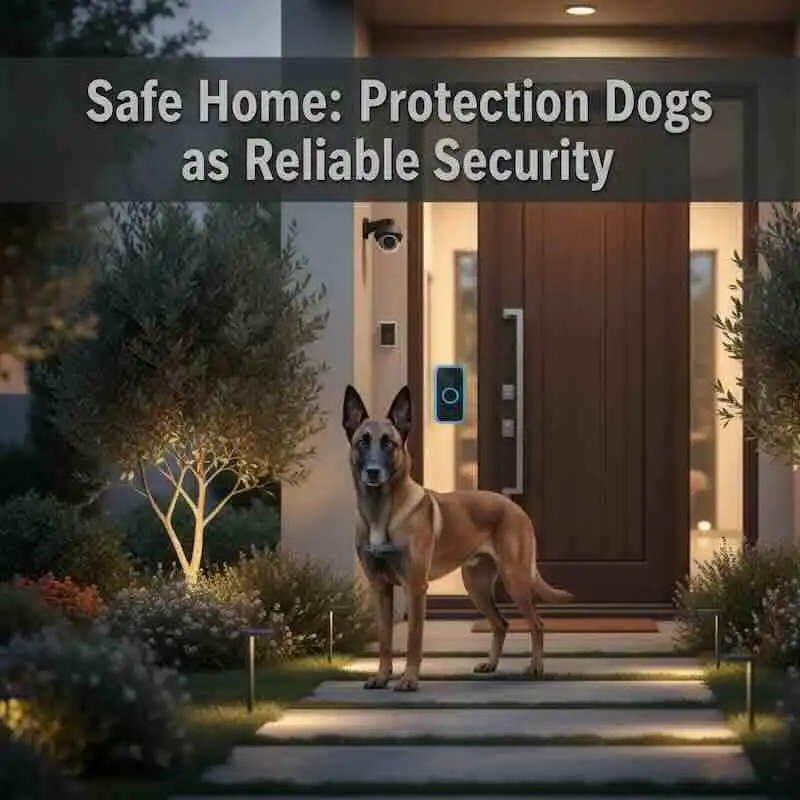
You want to create a safe and secure environment for your family, and a well-trained protection dog can be a powerful ally in achieving that. Understanding what qualities to seek in a protection dog helps you choose one that fits your home, lifestyle, and safety needs. From temperament and training to size and breeding, knowing these factors ensures your canine companion is both a reliable guardian and a loving family member you can trust.
The Crucial Importance of Home Security
Home security goes beyond locks and alarms; integrating a well-trained protection dog adds a dynamic layer of defense that technology alone can’t match. Dogs detect unfamiliar sounds, sense unusual behavior, and react instantly, giving you precious time to respond to threats. Their presence also discourages potential intruders, who often avoid homes with dogs known for guarding. In neighborhoods where quick police response isn’t guaranteed, combining canine protection with existing security measures strengthens your home’s safety significantly.
Increasing Vulnerabilities in Modern Neighborhoods
Rising urbanization and sometimes minimal street lighting can leave residential areas exposed to crime. Open floor plans, expansive yards, and distracted neighbors create more opportunities for burglars to exploit. Statistically, burglary attempts have increased by over 20% in many suburban communities during the past five years, which points to the importance of proactive protection strategies—like a dog trained to defend your property and alert you to intrusions before danger escalates.
Psychological Benefits of Enhanced Safety
Feeling secure at home greatly improves your mental well-being and reduces anxiety related to potential threats. Studies show homeowners with living security measures, particularly protection dogs, report 30% lower stress levels tied to worries about break-ins or violence. This sense of safety restores peace of mind, enabling you and your family to relax and enjoy your daily lives more fully.
Beyond physical defense, the presence of a protection dog offers emotional reassurance that no security system can fully replicate. Their ability to read your mood and respond attentively creates a comforting environment where you feel genuinely protected. This emotional bond reduces stress hormones, helps manage symptoms of PTSD in some cases, and fosters a calming influence, especially for children. Knowing your home is guarded by a vigilant companion promotes a deeper sense of stability and confidence.
Unpacking the Advantages of Protection Dogs
Protection dogs offer a rare combination of loyalty, intelligence, and instinctive defense that technology alone often cannot replicate. They provide immediate, tangible responses to threats, whether through alerting you or physically intervening. Their presence alone can alter the behavior of potential intruders, serving as an effective crime deterrent. Many owners find value in how these dogs adapt to different environments, including travel, ensuring your family’s safety beyond just your primary residence. For firsthand insights, consider exploring How did you protect your home from the destructive havoc …, where real experiences highlight their effectiveness.
More Read

Physical Deterrents: More Than Just Barks
The physical presence of a protection dog acts as a powerful barrier. Larger breeds like German Shepherds or Rottweilers project strength that often discourages intruders at first glance. Their bark alone can signal a looming challenge, while trained bite inhibition ensures they respond only when necessary, avoiding unnecessary aggression. This balance of intimidation and control means your dog not only signals danger but is ready to act decisively, making your home a less attractive target to criminals.
Building a Fortified Family Presence
A trained protection dog enhances your household’s sense of security by reinforcing your family’s presence visually and audibly. Their confident demeanor, combined with calm alertness, communicates preparedness—both to you and outsiders. Through consistent training, these dogs learn to distinguish between normal activity and real threats, creating a reliable support system that fits seamlessly into daily life.
Expanding on this, a protection dog becomes a central figure in your family’s protective strategy by responding appropriately to unusual noises, unfamiliar visitors, or suspicious behavior without reacting to everyday household activities. This stability builds trust within your family, reducing anxiety and helping everyone feel safer. Their vigilance isn’t about constant aggression but an intelligent, measured alertness that adapts to various scenarios. Over time, the dog’s presence creates a psychological shield, complementing other security measures and boosting overall confidence in your home’s safety.
Secrets to Selecting the Right Protection Dog
Choosing the ideal protection dog takes more than picking the biggest or most intimidating breed. Focus on temperament, training adaptability, and compatibility with your household dynamic. The dog should seamlessly integrate into your daily life, providing security without causing stress or disruptions. Additionally, preparing your home for a protective canine involves measures you can learn from resources like How to Dog Proof Your Home, ensuring both family safety and dog well-being coexist.
Assessing Temperament and Training Needs
Temperament assessment reveals how a dog will handle stress, strangers, and unexpected situations. Dogs that remain calm under pressure yet react swiftly to threats are prime candidates. Tailoring training to your home’s specific challenges—such as open floor plans or frequent visitors—ensures the dog responds appropriately without false alarms. A well-balanced dog shows confidence without aggression, making ongoing training and socialization crucial to hone protective instincts safely and effectively.
Evaluating Breeds for Security and Compatibility
Many top protection breeds like German Shepherds, Belgian Malinois, and Rottweilers offer a blend of strength, intelligence, and loyalty, making them reliable defenders. Medium to large sizes provide a visual deterrent while maintaining agility. Consider how breeds differ in energy levels and social needs to ensure they fit into your household routine, especially when children or other pets are involved.
Beyond physical traits, breed-specific health concerns impact long-term protection effectiveness. German Shepherds and Belgian Malinois excel in obedience and quick decision-making but require high mental stimulation to prevent anxiety. Rottweilers bring formidable strength but need consistent leadership to avoid dominance issues. Research breed tendencies, consult breeders for lineage health records, and observe individual dog behavior during selection to blend protection capabilities with family harmony.

Tailoring the Perfect Protection Dog for Your Household
Customizing a protection dog to fit your household means balancing temperament, training, and environment. A dog that adapts well to your lifestyle, reacts properly to genuine threats, and coexists peacefully with family members is ideal. Personalizing training based on your home’s layout or specific security concerns enhances effectiveness. Combining breed traits with targeted behavior shaping ensures the dog acts as a reliable defender without disrupting your daily routine or comfort.
Considerations for Children and Other Pets
Selecting a protection dog that interacts safely with children and other pets demands thorough socialization. Dogs trained in family settings learn to recognize familiar faces and respond calmly, avoiding unnecessary aggression. You’ll want a breed and temperament known for patience combined with strong protective instincts, ensuring harmony in the household while maintaining security without posing risks to loved ones.
Integrating a Protection Dog into Your Lifestyle
Incorporating a protection dog into daily life involves building routines that accommodate its training and exercise needs without sacrificing family time. Scheduling regular play and alertness drills, while allowing moments for companionship, strikes a healthy balance. Travel plans or work schedules can be coordinated so the dog remains engaged and effective, blending protection duties seamlessly into your everyday activities.
Beyond basic training, integrating a protection dog means recognizing its mental and physical stimulation requirements. A dog that receives consistent challenges, like obedience refreshers or agility tasks, stays sharp and responsive. A household with active members can channel the dog’s protective energy positively, while quieter homes may require more structured interaction to prevent boredom. Planning ahead for these factors enhances the dog’s role, making protection a natural extension of its presence rather than an added responsibility.
Conclusion
Ultimately, protecting your home with a dog involves finding a well-trained, mentally stable companion that fits your family and lifestyle. You want a dog that can confidently assess threats, respond appropriately, and remain calm around your loved ones. Prioritize custom training, excellent breeding, and a temperament that balances defense with friendliness. By carefully selecting the right protection dog, you ensure a loyal guardian who not only enhances your home’s security but also offers companionship and peace of mind for you and your family.
FAQ
Q: What qualities should I look for in a protection dog to ensure it is suitable for a family environment?
A: When choosing a protection dog for your family, prioritize a dog with a calm and friendly demeanor, especially around children, visitors, and other pets. The dog should exhibit mental stability, showing confidence in its abilities while remaining predictable, so it only responds to genuine threats. Socialization in a home setting during training helps the dog become well-adjusted and comfortable in everyday family life.
Q: How important is specialized training for a protection dog, and what should the training include?
A: Specialized training is highly important to ensure the protection dog responds appropriately and effectively to potential threats. Training should be tailored to your family’s specific needs, home layout, and property details. This type of training can include obedience commands, controlled defensive behavior, and situational awareness, enabling the dog to distinguish between normal and threatening situations while maintaining safety and control at all times.
Q: Does the size of a protection dog impact its effectiveness, and what is the standard recommended size?
A: While a protection dog does not have to be huge, size can influence its deterrent effect on intruders. People commonly choose medium to large dog breeds due to their ability to deter burglars or attackers by projecting an impression of strength and capability. However, the dog’s temperament, training, and mental stability are just as important as size when it comes to overall effectiveness in protecting your home.