
As the crisp air of autumn 2026 approaches, the fashion industry is moving beyond the simple “eco-friendly” labels of the past. This year, conscious style isn’t just about choosing better materials; it’s about regenerative fashion—clothing that actually helps restore the planet while expressing your unique identity.
- 1. Regenerative Organic Cotton: The New Gold Standard
- 2. Mycelium “Leather”: High-Fashion, Low Impact
- 3. Hemp 2.0: The Soft Side of Durability
- 4. Tencel™ Lyocell & SeaCell: Ocean-Inspired Softness
- 5. Circular Wool & Recycled Cashmere
- 6. Bio-Based Synthetics (The Microplastic-Free Future)
- Conclusion: Dress for the Season and the Future
- FAQ: Sustainable Fabrics for Fall
- External Links
In 2026, we are seeing a shift away from “quiet luxury” toward Conscious Maximalism. People are using sustainable fabrics to create bold, textured, and deeply personal looks. Here is your guide to the must-have sustainable fabrics for Fall 2026 and how to style them for the new season.
1. Regenerative Organic Cotton: The New Gold Standard
While organic cotton has been a staple for years, 2026 is the year of Regenerative Organic Cotton. This goes a step further by using farming practices that sequester carbon and restore soil health.
- The Vibe: Ultra-soft, breathable, and guilt-free.
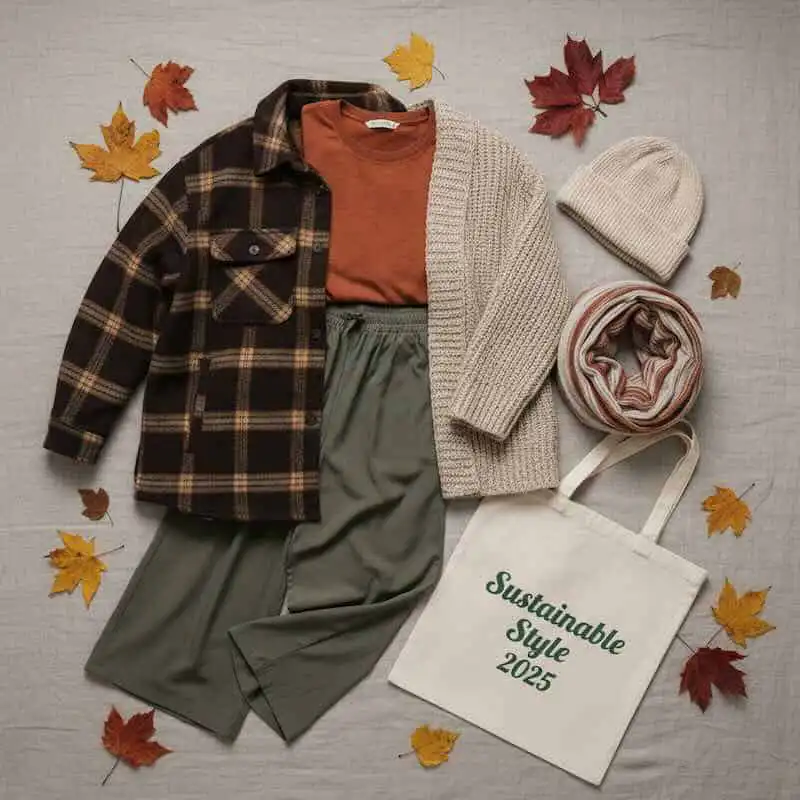
- Fall 2026 Style: Look for heavy-weight regenerative cotton in “Earth-Core” tones—think deep terracotta, moss green, and burnt ochre. Oversized, structured hoodies and wide-leg trousers are the go-to silhouettes this year.
2. Mycelium “Leather”: High-Fashion, Low Impact
Leather alternatives have leveled up. Mycelium (the root structure of fungi) has moved from experimental labs to mainstream wardrobes. It offers the same durability and luxury feel as animal leather without the environmental or ethical toll.
- The Vibe: Avant-garde, sleek, and futuristic.
- Fall 2026 Style: Statement trench coats and modular accessories. A mycelium leather belt or handbag is the perfect way to add a sophisticated edge to a soft knit outfit.
3. Hemp 2.0: The Soft Side of Durability
Forget the scratchy hemp of the past. 2026 textile innovations have yielded “cottonized” hemp that is incredibly soft while retaining its carbon-negative properties.
- The Vibe: Rustic, resilient, and lived-in.
- Fall 2026 Style: Textured cardigans and “Grandpa-style” vests. Hemp’s natural ability to regulate temperature makes it the perfect layering piece for those unpredictable autumn days.
4. Tencel™ Lyocell & SeaCell: Ocean-Inspired Softness
Closed-loop fibers like Tencel™ remain essential, but SeaCell (a fiber made from seaweed and wood pulp) is gaining massive traction for its skin-soothing properties and biodegradable nature.
More Read

- The Vibe: Silky, fluid, and luxurious.
- Fall 2026 Style: Slip dresses layered under chunky wool sweaters. The contrast between the shimmering, fluid fabric and heavy knits defines the 2026 aesthetic.
5. Circular Wool & Recycled Cashmere
In 2026, the trend is Circular Fashion. Instead of buying new, designers are utilizing high-quality recycled wool and cashmere sourced from post-consumer garments.
- The Vibe: Cozy, timeless, and heritage-focused.
- Fall 2026 Style: Multi-colored “patchwork” knits. This season celebrates the beauty of upcycled materials, so don’t be afraid of visible mending or mismatched textures that tell a story.
6. Bio-Based Synthetics (The Microplastic-Free Future)
Traditional polyester is out; bio-based synthetics made from corn, sugar, or algae are in. These fabrics offer the performance of activewear but are designed to biodegrade at the end of their life cycle.
- The Vibe: High-performance, sleek, and tech-forward.
- Fall 2026 Style: Technical parkas and weather-resistant capes. As “Urban Chic” becomes a leading trend, these smart textiles are being used in sharp, minimal designs that transition from the city to the trail.
How to Shop Consciously for Fall 2026
- Prioritize Longevity: Look for high-quality weaves and “timeless maximalism” rather than fleeting micro-trends.
- Check for Certifications: Look for the GOTS (Global Organic Textile Standard) or Regenerative Organic Certified (ROC) labels.
- Support Small Influencers: In 2026, the best style advice comes from community-driven creators who focus on “outfit repeating” and creative upcycling.
Final Thoughts
Autumn 2026 is about Expression with Intention. By choosing fabrics like mycelium leather and regenerative cotton, you aren’t just wearing a trend—you’re participating in a movement that prioritizes the planet as much as the person wearing the clothes.
What’s your favorite sustainable fabric this season? Share your fall looks with us using #ConsciousStyle2026!
Conclusion: Dress for the Season and the Future
Sustainable fabrics for fall let you enjoy everything you love about the season—soft knits, rich layers, and beautiful textures—while honoring the planet and the people behind your clothes. By choosing organic cotton, TENCEL™, linen, responsible wool, recycled synthetics, and hemp, you’re investing in pieces that feel good now and hold up for seasons to come.
Start with one swap: a responsibly made sweater, a pair of TENCEL™ trousers, or a hemp-cotton shacket. Over time, those small choices add up to a wardrobe—and a world—that’s warmer, kinder, and more sustainable.
FAQ: Sustainable Fabrics for Fall
Q: Are sustainable fabrics more expensive? A: They can cost more upfront, but they’re often higher quality and longer-lasting. Think of them as investment pieces rather than fast-fashion impulse buys.
Q: How do I know if a brand is truly sustainable? A: Look for clear information on materials, certifications, and factories. If a brand is transparent, they usually make it easy to find.
Q: Can I still be sustainable if I shop on a budget? A: Absolutely. Buy less but better, choose secondhand or vintage, and prioritize versatile pieces you’ll wear often.
Q: Do I have to replace my whole wardrobe to be sustainable? A: Not at all. The most sustainable clothes are the ones you already own. Start by caring for them well and adding new sustainable pieces slowly.