

You crushed your workout—now what? The hour or two immediately following your sweat session is often called the “anabolic window,” a critical time when your body is primed to absorb nutrients, repair muscle tissue, and replenish energy stores. Getting your post-workout nutrition right can dramatically impact your recovery, muscle growth, and overall results.
But with so much conflicting information out there, it’s easy to get confused. Let’s break down the science-backed strategies for optimal post-workout fuel.
The Golden Rule: Protein + Carbohydrates
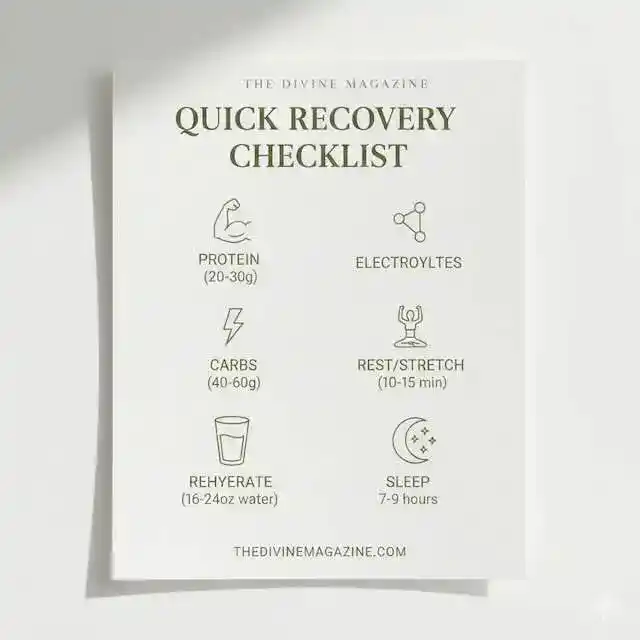
After exercise, your body is in a state of repair. Your muscle fibers have experienced micro-tears, and your glycogen (stored carbohydrate) reserves are depleted. To address this, you need a combination of
- Protein: For muscle repair and growth.
- Carbohydrates: To replenish glycogen and stop muscle breakdown.
Aim for a ratio of roughly 2:1 or 3:1 carbohydrates to protein for optimal recovery, especially after intense or prolonged workouts.
What to EAT After a Workout:
- Whey Protein Shake with Banana:
- Why it works: Whey protein is rapidly absorbed, providing a quick influx of amino acids for muscle repair. Bananas are excellent fast-acting carbohydrates to replenish glycogen.
- Portion: 1 scoop whey protein (approx. 20–25 g protein) + 1 medium banana.
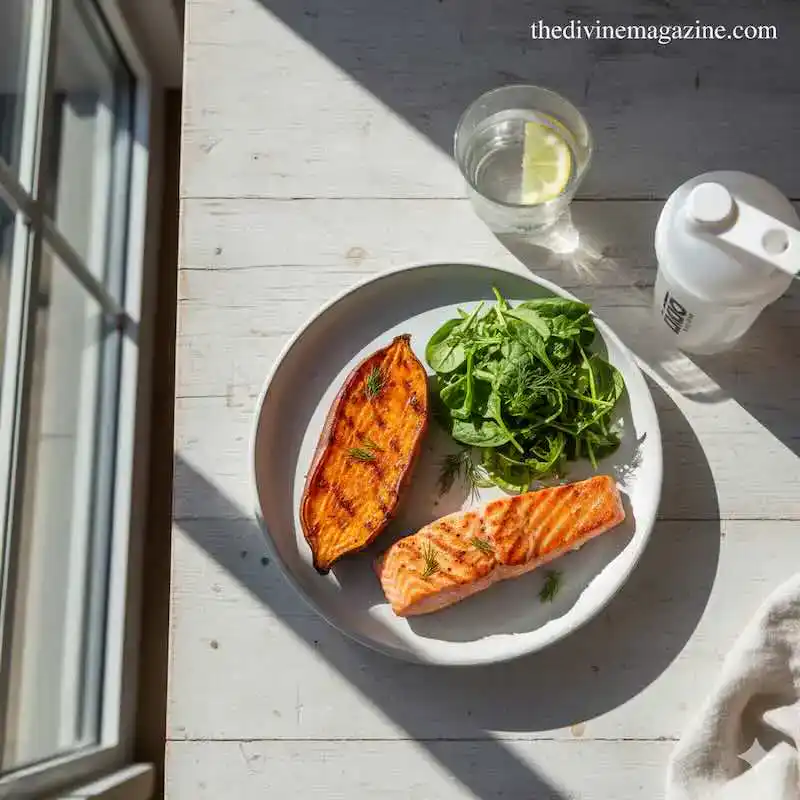
- Chicken or fish with sweet potatoes and vegetables:
- Why it works: Lean protein sources like chicken or fish provide essential amino acids. Sweet potatoes are complex carbohydrates that offer sustained energy release and are rich in vitamins.
- Portion: 4-6 oz grilled chicken/fish + 1 medium sweet potato + 1 cup steamed green vegetables.
- Greek Yogurt with Berries and Granola:
- Why it works: Greek yogurt is packed with casein and whey protein. Berries offer antioxidants and simple carbs, while granola adds complex carbs.
- Portion: 1 cup Greek yogurt + ½ cup mixed berries + ¼ cup low-sugar granola.
- Tuna or Salmon Salad on Whole-Grain Bread:
- Why it works: Provides omega-3 fatty acids (anti-inflammatory) and lean protein, combined with complex carbohydrates from whole-grain bread.
- Portion: 4 oz tuna/salmon + 2 slices whole-grain bread (or wraps).
- Cottage Cheese with Pineapple:
- Why it works: Cottage cheese is a slow-digesting protein source (casein), ideal for sustained amino acid release. Pineapple contains bromelain, an enzyme that can aid in muscle recovery.
- Portion: 1 cup cottage cheese + ½ cup pineapple chunks.
Please remember Hydration!
Beyond food, rehydration is crucial. Water helps transport nutrients, regulate body temperature, and lubricate joints.
- Action: Drink 16–24 ounces of water for every pound of body weight lost during exercise. Consider adding electrolytes for longer or more intense sessions.
- External Resource: Learn more about the importance of Hydration for exercise from the American College of Sports Medicine.
What to AVOID After a Workout:
- High-Fat Foods: While healthy fats are essential, a meal dominated by high-fat items immediately after a workout can slow down the digestion and absorption of vital protein and carbohydrates, delaying recovery.
- Examples to avoid: pizza, fried foods, and heavy cream sauces.
- Excessive Fiber (Right After): While fiber is generally beneficial, consuming very high-fiber foods immediately post-workout can cause digestive discomfort and slow down the rapid absorption of carbs and protein you need.
- Examples to avoid: Large servings of raw cruciferous vegetables (broccoli, cauliflower), beans. These are excellent later, but not in the immediate recovery window.
- Sugary Drinks (Beyond Sports Drinks): While some sugar is fine for glycogen replenishment, drinks high in refined sugar without electrolytes or other beneficial nutrients can lead to a sugar crash and offer little recovery benefit.
- Examples to avoid: Soda, candy.
- Alcohol: It dehydrates you, impairs muscle protein synthesis, and can increase inflammation—the opposite of what you want after a workout.
- External Resource: Understand how Alcohol Affects Muscle Growth from this study in Nutrients.
FAQ: Post-Workout Nutrition
Q: How soon after a workout should I eat? A: Ideally, within 30-60 minutes. This “anabolic window” is when your muscles are most sensitive to nutrient uptake. However, don’t stress if you miss it; your body is still receptive for a few hours.

Q: Do I need a protein shake if I eat a meal soon after? A: Not necessarily. If you can get a balanced meal of protein and carbs within an hour, a shake isn’t mandatory. Shakes are convenient for quick absorption or when a full meal isn’t immediately available.
Q: What if I work out late at night? Should I still eat? A: Yes, your body still needs to recover. Opt for lighter, easily digestible options like a small protein shake with water or a serving of Greek yogurt.
Conclusion
Your post-workout meal isn’t just about satisfying hunger; it’s a strategic move to optimize your body’s recovery and adaptation. By fueling with the right balance of protein and carbohydrates and avoiding recovery pitfalls, you’ll be giving your body the best chance to get stronger, recover faster, and be ready to tackle your next session with renewed energy.
What’s your go-to post-workout meal? Share it in the comments below!