




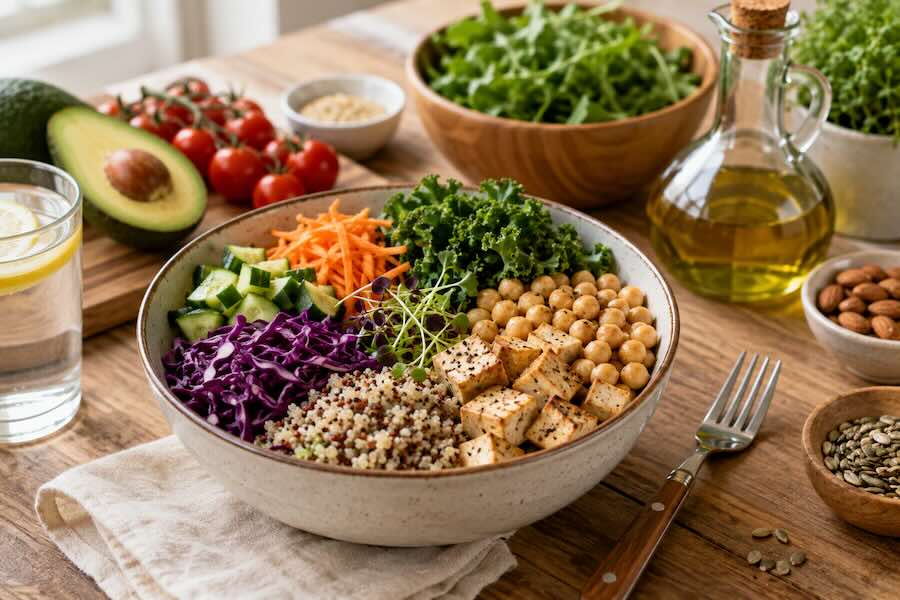
Moving toward a vegan lifestyle does not have to happen overnight. For many people, a gradual transition creates space to learn new recipes, understand nutrition labels, find reliable plant-based staples, and work out which meals actually fit everyday life.
A well-planned vegan diet can provide the nutrients adults need, but removing animal products also makes certain nutrients more important to think about. Vitamin B12 deserves particular attention, alongside iron, calcium, vitamin D, iodine, selenium, protein, and omega-3 fats.
Instead of treating veganism as a short-term challenge, approach the transition as a practical shift in how you shop, cook, and build meals. These five steps can make the process considerably easier.
1. Start with a clear reason
Before changing what is on your plate, think about why you want to make the change. Your motivation might involve animal welfare, environmental concerns, personal values, health, or simply an interest in eating more plant-based food.
There is no need to turn that reason into a rigid set of rules. It can simply give the transition some direction, particularly when you are learning new habits or navigating restaurants, holidays, and meals with friends.
2. Pay attention to vegan nutrition
Vegan does not automatically mean nutritionally balanced. A varied diet should include vegetables and fruit, whole grains, beans and pulses, nuts and seeds, protein-rich foods such as tofu or tempeh, and appropriately fortified foods.
Vitamin B12 is especially important because reliable vegan sources are generally fortified foods and supplements. Calcium can come from foods including calcium-set tofu and fortified plant drinks, while beans, lentils, fortified cereals, nuts, seeds, and leafy vegetables can contribute iron. Eating vitamin C-rich foods alongside plant sources of iron can help with absorption.
Iodine can also require planning because the amount found naturally in plant foods varies. Check whether plant-based drinks are fortified rather than assuming that every alternative to dairy contains the same nutrients.
For current guidance on building a balanced vegan diet, the NHS vegan diet guide provides a useful overview of key nutrients and food sources.
If you are pregnant or breastfeeding, have particular nutritional requirements, take medication, have a medical condition, or are concerned about deficiencies, speak with an appropriate healthcare professional or registered dietitian before making significant dietary changes.
3. Transition at a pace you can maintain
You do not need a dramatic overnight switch. One practical approach is to begin by making several familiar meals vegan each week, then gradually increase the number as your repertoire grows.
Start with food that already feels familiar. A lentil Bolognese, chickpea curry, bean chilli, tofu stir-fry, overnight oats, or vegetable soup requires less adjustment than trying to rebuild your entire diet around unfamiliar substitutes.
A gradual approach can also help when increasing your fibre intake. Beans, lentils, whole grains, vegetables, nuts, and seeds can contain considerably more fibre than some people are accustomed to eating, so introducing them progressively and drinking enough fluids may make the transition more comfortable.
4. Make meal prep work for real life
A stocked kitchen makes vegan eating much simpler. Keep versatile ingredients within reach: canned beans, lentils, chickpeas, tofu, whole grains, frozen vegetables, nuts, seeds, herbs, spices, and fortified plant-based alternatives.
Then prepare components rather than elaborate meals. Cook a batch of rice or quinoa, roast vegetables, make a dressing, wash fresh produce, and keep a protein source ready. Those ingredients can move between grain bowls, wraps, salads, soups, and quick dinners without making every meal feel identical.
Frozen produce and canned pulses can also be useful. Vegan eating does not require an immaculate refrigerator filled with expensive organic ingredients. A sensible pantry and a handful of dependable recipes matter far more.
5. Make the social transition easier
Food is social, which means becoming vegan can change more than your grocery list. Family dinners, restaurants, work events, and holidays may suddenly require a little more planning.
Tell the people close to you what you are changing without expecting them to make the same decision. When eating out, checking menus before leaving home can remove much of the uncertainty. When visiting someone, offering to bring a dish gives you something suitable to eat while introducing everyone else to food you enjoy.
There is also no prize for making every conversation about veganism. Sometimes the most persuasive introduction to plant-based eating is simply a very good dinner.
A practical vegan shopping list
- Protein: lentils, chickpeas, beans, tofu, tempeh, edamame, nuts and seeds.
- Carbohydrates: oats, potatoes, brown rice, quinoa, whole-grain bread and pasta.
- Vegetables and fruit: combine fresh, frozen and canned options to make everyday cooking easier.
- Healthy fats: nuts, seeds, avocado and unsaturated plant oils.
- Omega-3 sources: chia seeds, ground flaxseed, walnuts and rapeseed oil.
- Fortified foods: look for plant drinks, cereals and other products containing nutrients such as calcium, vitamin D and vitamin B12.
Conclusion
Becoming vegan is less about constructing a perfect menu on day one and more about building habits you can comfortably sustain. Learn which foods supply the nutrients you need, develop a small collection of meals you genuinely enjoy, and give yourself time to become confident in the kitchen.
The quiet details eventually become automatic: checking a label, soaking oats before bed, keeping tofu in the refrigerator, or knowing exactly which lentil dish works on a cold evening. That is when a dietary change begins to feel less like a project and more like everyday life.
FAQ
Can a vegan diet provide enough protein?
Yes. Beans, lentils, chickpeas, tofu, tempeh, nuts, seeds and other plant foods can provide protein as part of a varied, appropriately planned diet.
Do vegans need vitamin B12?
Vitamin B12 requires particular attention because natural plant foods are not reliable sources. Vegans should have a dependable source through appropriately fortified foods and/or supplementation according to suitable nutritional guidance.
Do I have to become vegan overnight?
No. Some people prefer an immediate switch, while others gradually replace animal products as they learn new recipes and establish reliable alternatives.
Is vegan food expensive?
It does not have to be. Staples such as dried or canned beans, lentils, oats, rice, potatoes and seasonal or frozen vegetables can form the basis of relatively inexpensive meals. Specialty substitutes can increase the grocery bill, but they are not essential to every meal.
What nutrients should new vegans pay particular attention to?
Vitamin B12, vitamin D, calcium, iron, iodine, selenium, protein and omega-3 fats are among the nutrients worth considering when planning a vegan diet.