


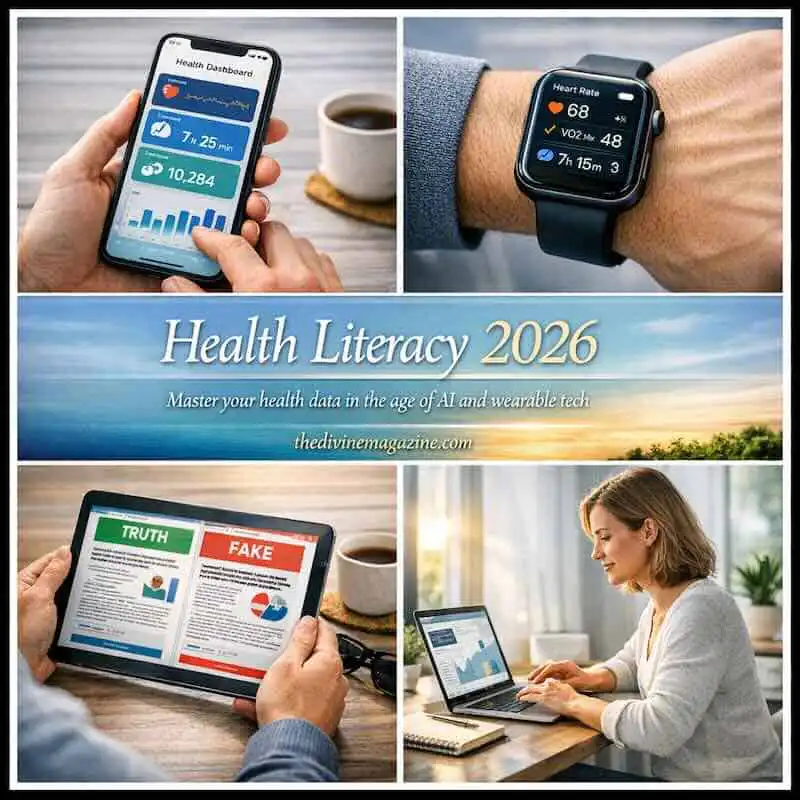
Health literacy is the name we associate with the ability to understand health information. In 2026, this definition has expanded; health literacy now also refers to using this data—often delivered via AI-driven health apps and wearable tech—to make informed decisions. This is, of course, a critical skill when it comes to maintaining and improving your health in a rapidly evolving digital landscape.
One might think that living in a world flooded with information, it’s easy to stay informed. However, the 2026 “infodemic” proves that theory wrong. The surplus of information, including AI-generated content and deepfake wellness advice, makes it much harder to make good decisions. Learning how to discern credible sources is now a survival skill. While medical jargon can be intimidating, modern tools like the Health Literacy Online guide help bridge the gap. Here’s how to master your health data:
Develop a Critical Eye for Online Health Information
The internet remains a double-edged sword. On one hand, it offers an immense repository of knowledge. On the other, the rise of “hallucinating” AI models and unverified social media advice means you must be more vigilant than ever. You should always prioritize information published by reputable sources such as government health websites, educational institutions, and recognized global organizations like the World Health Organization (WHO) and the Centers for Disease Control and Prevention (CDC).
Always check the “Last Updated” date, as medical breakthroughs in areas like gene therapy and personalized nutrition move faster than ever. Stay away from sensational headlines and look for claims backed by peer-reviewed journals. If an AI summary provides health advice, cross-reference it with primary clinical studies to ensure accuracy.
Communicate Effectively with Healthcare Providers
The way you communicate with healthcare providers—whether in person or via telehealth—is a cornerstone of literacy. In 2026, “effective communication” often includes sharing data from your smart devices with your doctor.
Prepare for your appointments by listing symptoms, concerns, and any biometric data from your wearables. Don’t be afraid to ask for a simpler explanation when jargon gets confusing. A good professional will welcome your proactivity and help you understand your personalized healing journey.
Understand Your Health Records and Conditions
Being proactive means being familiar with your own digital health record. In 2026, patients have unprecedented access to their lab results and imaging via secure portals. Understanding these records allows you to catch trends before they become problems.
For instance, if your dentist recommends an OPG scan (a panoramic dental X-ray), understanding its purpose helps you follow through with subsequent treatments effectively. Always ask for written digital summaries or links to educational videos that you can review at your own pace.
Engage in Preventive Healthcare
The ultimate goal of health literacy is preservation. Preventive healthcare in 2026 includes traditional screenings alongside new genomic risk assessments. Regular check-ups remain the gold standard for early detection.
A preventive mindset is essential. This includes a balanced diet, regular exercise, and high-quality sleep. To stay updated on which screenings you need based on current 2026 standards, visit the U.S. Preventive Services Task Force. Sticking to these habits significantly reduces the risk of chronic illnesses and contributes to a longer “healthspan.”
Educate Yourself on Medication Management
Medication management involves understanding the “why” and “how” of your prescriptions. With the rise of personalized medicine, dosages are often tailored to your specific genetic makeup. Misunderstanding these instructions can lead to ineffective treatment or side effects.
Always use your pharmacy’s digital tools to check for potential drug interactions, especially if you are taking supplements. If a label is unclear, your pharmacist remains your most accessible resource for high-level health literacy.
Promote Mental Health Literacy
Mental health is an integral part of overall well-being. In 2026, reducing the stigma around mental health is a major societal goal. Educating yourself on depression, anxiety, and neurodiversity is a key part of the journey. Resources like NAMI (National Alliance on Mental Illness) provide excellent education for patients and families.
Conclusion
Improving health literacy in 2026 is a multifaceted approach. By combining digital savvy with traditional communication and preventive action, you become the CEO of your own well-being. This proactive stance allows you to navigate the complexities of modern medicine with confidence, ensuring a much healthier and more informed life.
Frequently Asked Questions
Q: How do I know if an AI-generated health tip is safe?
A: Treat AI-generated advice as a starting point, not a diagnosis. Always verify the “sources” the AI provides and confirm the advice with a licensed medical professional or a reputable site like Mayo Clinic.
Q: What is “Digital Health Literacy”?
A: It is the specific ability to seek, find, and appraise health information from electronic sources and apply that knowledge to addressing a health problem.
Q: Why is my health record so hard to read?
A: Health records often use standardized billing and medical codes. Many patient portals now feature “Explain My Results” buttons that use simplified language to help you understand the data.