




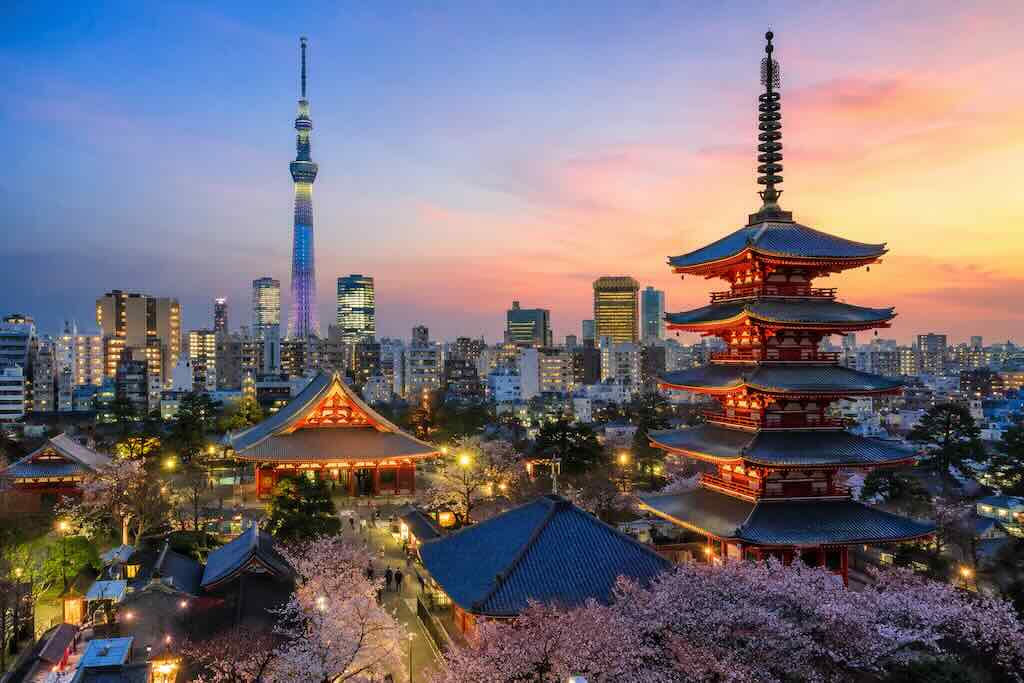
Tokyo rarely presents itself in a single mood. Before breakfast, temple grounds can feel almost still. By afternoon, Shibuya is moving in every direction at once. After dark, lantern-lit alleys, tiny bars and illuminated towers redraw the city again. That contrast is one of the strongest reasons to visit Japan’s capital in 2026.
Editor’s note: This article has been updated for 2026 to correct outdated Odaiba attractions, refresh transport and museum information, strengthen cultural context, and verify existing links.
Tokyo is large enough to reward repeat visits yet remarkably easy to explore once its rail network begins to make sense. Food can be the reason for one trip. Art, architecture, shopping or nightlife can shape another. Then there are the quieter pleasures: garden paths after rain, steam rising from a bath, or the first train arriving at a neighborhood station.
Here are eight reasons Tokyo deserves serious consideration for your next trip.
1. Experience an Onsen or Japanese Bathhouse
Japan’s volcanic landscape has produced a deep hot-spring culture, and soaking in an onsen remains one of the country’s most distinctive experiences.
You do not necessarily have to leave Tokyo. The city still has traditional sento public baths alongside larger modern bathing facilities, making it possible to add the experience to an urban itinerary.
If time allows, however, Hakone makes a compelling escape from the capital. The mountainous hot-spring area southwest of Tokyo is known for ryokan stays, baths and, when conditions cooperate, views toward Mount Fuji.
Bathing etiquette matters. Tokyo’s official tourism guidance recommends washing before entering a communal bath, and swimsuits are generally not worn unless a facility states otherwise. Tattoo policies also vary, so check the rules of an individual onsen or sento before arriving.
Tokyo’s official tourism guide maintains current information on onsen and public bathhouses across the city.
2. Tokyo Changes Completely After Dark
Tokyo nightlife does not belong to one neighborhood or one type of traveler.
Shinjuku can deliver neon, compact bars and late-night energy. Shibuya mixes clubs, restaurants and younger crowds. Ginza is more polished, while neighborhoods such as Ebisu offer a gentler evening built around dinner and drinks.
Then there is karaoke.
Rather than performing before an entire bar, many Japanese karaoke venues revolve around private rooms rented by groups. Order drinks, choose songs and close the door. It can be as theatrical or as low-key as the people in the room want it to be.
Tokyo’s scale also means an evening does not need to become a major night out. A counter seat, a narrow alley and a bowl of noodles after dark can be enough.
3. Japanese Food Is Reason Enough to Visit
Tokyo rewards curiosity at almost every price point.
Sushi may receive international attention, but eating through the city quickly becomes broader: ramen, soba, tempura, yakitori, tonkatsu, curry, grilled fish, wagashi and countless regional specialties brought into the capital from across Japan.
The most memorable meal does not necessarily arrive beneath white tablecloths. It might be six seats around a counter, steam clouding a kitchen window and a bowl placed down seconds after the noodles leave the pot.
At the other end of the spectrum, Tokyo supports a remarkable fine-dining scene. Some restaurants have very limited seating, including Ginza Kojyu, so travelers interested in a particular high-end restaurant should investigate reservation requirements well before arriving.
For visitors new to Japanese cuisine, the best strategy is often to alternate planned meals with improvisation. Reserve the difficult table, then leave another evening free to follow the smell coming from a neighborhood restaurant.
4. Odaiba Keeps Reinventing Itself
Odaiba illustrates why an old Tokyo guide can age surprisingly quickly.
The giant Palette Town Ferris wheel referenced in older travel articles is gone. Today’s Odaiba is better approached as a waterfront district combining contemporary architecture, museums, shopping, indoor entertainment and broad views across Tokyo Bay.
Families can visit Miraikan, the National Museum of Emerging Science and Innovation, while Odaiba Marine Park provides open waterfront space and views toward Rainbow Bridge. Tokyo Joypolis offers indoor entertainment when the weather turns wet or oppressively hot.
There is also something genuinely new for 2026. Tokyo Aqua Symphony opened at Odaiba Marine Park in March 2026, bringing a large-scale fountain performance to the waterfront. The free show combines water, light and music against the Tokyo Bay skyline.
Check the official Odaiba visitor guide before going because attractions and events in this part of Tokyo continue to change.
5. Traditional Culture Is Still Part of Everyday Tokyo
Tokyo’s futuristic reputation can obscure how easily centuries of Japanese culture remain visible within the modern city.
Start at the Tokyo National Museum in Ueno Park. Its collections provide a deeper introduction to Japanese art and cultural history than a rapid sequence of landmark photographs ever could.
The museum currently lists regular opening from 9:30 a.m. to 5 p.m., with extended hours on selected days, although galleries and opening arrangements can change. Check the Tokyo National Museum visitor information before travelling across the city.
For performing arts, Kabuki remains a living stage tradition rather than something confined to museum displays. Kabukiza Theatre in Ginza continues to stage performances in 2026, with schedules and ticket information published through the official Kabuki website.
Noh offers another window into Japanese theatrical tradition, with a dramatically different rhythm, visual language and performance style. Neither requires visitors to arrive as experts. Sometimes the costumes, movement, music and atmosphere communicate enough on a first encounter.
6. Technology and Shopping Still Belong to the Tokyo Experience
Tokyo’s relationship with technology has changed. The old image of Japan as a place where every electronic device appears years before the rest of the world is too simple now.
Yet technology remains woven into the city’s visual identity.
Akihabara combines electronics retailers with gaming, anime and pop-culture stores. Elsewhere, enormous camera and electronics shops can occupy multiple floors, while districts such as Shibuya increasingly blur the boundaries between retail, entertainment and digital culture.
Do not assume an electronic product will automatically be cheaper than it is at home. Compare prices, warranties, voltage, charging standards, language support and regional compatibility before buying.
The pleasure is as much in looking as purchasing: walls of cameras, headphones beneath bright showroom lighting, capsule machines, game arcades and entire floors devoted to products you did not know existed.
7. Gardens, Shrines and Temples Slow the City Down
Tokyo’s density makes its quieter spaces feel more pronounced.
At the Imperial Palace East Gardens, stone walls and surviving historic structures sit among broad lawns, trees and carefully maintained planting in the center of the modern capital.
Elsewhere, Meiji Jingu is approached beneath trees despite being close to Harajuku, while Sensō-ji in Asakusa surrounds visitors with temple gates, incense and busy shopping streets.
The experience changes with the season. Spring brings blossoms and crowds. Summer is intensely green and humid. Autumn introduces warmer leaves, while winter can reveal the geometry of gardens and architecture more clearly.
The original article linked to a guide covering Tokyo’s parks and gardens. That Tokyo garden resource remains useful for comparing locations, but always verify current opening days with the individual attraction before visiting.
8. Getting Around Tokyo Is Easier Than Its Size Suggests
The railway map can look intimidating on the first morning. By the second or third day, its logic begins to emerge.
Tokyo’s transport network combines JR services, Tokyo Metro, Toei Subway, private railways, buses and other local systems. Multilingual signs are increasingly common, while rechargeable IC cards simplify many everyday journeys.
Tokyo’s official tourism organization describes the city as having more than 280 subway stations, with color-coded maps and multilingual information helping international visitors navigate the network.
Use the official Tokyo transportation guide to understand the different options before arrival.
The important detail is that Tokyo does not have one single train operator. Allow extra time for unfamiliar station transfers, particularly at the beginning of a trip, and pay attention to the specific exit number at your destination. Choosing the correct exit can save a surprisingly long walk at street level.
Practical Tips for a First Tokyo Trip
- Stay near useful transport: A hotel close to a station can save substantial walking over several days.
- Group attractions geographically: Avoid crossing the entire city repeatedly because two places happened to appear beside each other on a wish list.
- Leave room for neighborhoods: Tokyo is particularly rewarding when there is time to wander without a reservation.
- Check seasonal conditions: Summer heat and humidity can materially change how much walking feels comfortable.
- Learn basic etiquette: A little awareness around trains, temples, baths and restaurants makes interactions easier.
- Verify opening days: Museums, gardens and attractions can have weekly closures or temporary maintenance periods.
Conclusion
Tokyo’s appeal is not that it offers one definitive Japanese experience. It is that several versions of the city can exist within the same day.
Morning can begin beneath shrine gates. Lunch might arrive across a six-seat counter. The afternoon can disappear inside a museum or electronics district, followed by sunset over Tokyo Bay and karaoke somewhere above a crowded street.
Eight reasons barely cover it. Tokyo is a city that becomes more interesting once the obvious attractions stop being the entire itinerary.
Frequently Asked Questions
How many days should you spend in Tokyo?
Four or five full days provide a useful introduction, while a week allows more time for individual neighborhoods and a day trip. Tokyo is large enough that longer stays remain easy to fill.
Is Tokyo difficult to navigate for first-time visitors?
The rail network looks complex, but multilingual signage, numbered stations, route-planning tools and IC cards make it considerably easier in practice. Leave additional time for large station transfers during the first few days.
Can you visit an onsen while staying in Tokyo?
Yes. Tokyo has public baths and hot-spring facilities, while Hakone is a popular option for travelers who want to build a dedicated hot-spring excursion into their itinerary.
Is Odaiba still worth visiting in 2026?
Yes, but some attractions mentioned in older guides have closed. Current reasons to visit include Miraikan, Tokyo Bay views, indoor entertainment, Odaiba Marine Park and the Tokyo Aqua Symphony fountain attraction introduced in 2026.
Where should first-time visitors stay in Tokyo?
Shinjuku, Shibuya, Ginza, Ueno and areas around Tokyo Station are common choices, but the best location depends on budget and itinerary. Convenient access to a useful rail or subway station is often more important than choosing the most famous neighborhood.
Is Tokyo only worth visiting for technology and modern culture?
No. Traditional performing arts, museums, gardens, temples, shrines, bathhouses and historic neighborhoods sit alongside Tokyo’s contemporary architecture, shopping and entertainment.