




Choosing the Right Food for a Healthy Diet in 2026
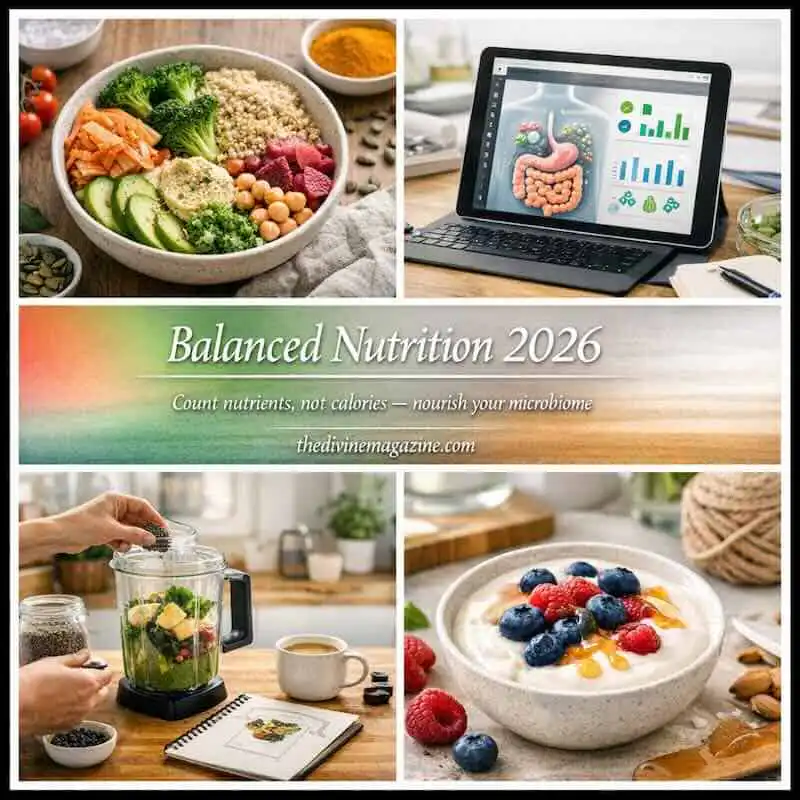
With so many choices available for healthy eating, it can be easy to feel overwhelmed. In 2026, the nutrition landscape has shifted from “counting calories” to “counting nutrients” and prioritizing gut microbiome health.
However, the good news is that the best options for a healthier diet are readily available, packed with nutrition, and offer great taste. By making informed choices and incorporating a variety of functional foods, you can enjoy a well-rounded and nourishing diet that supports your overall health and well-being.
1. Emphasize Whole and Functional Foods
When it comes to healthy eating, the primary goal is to emphasize whole foods. These are minimally processed and retain their natural nutrients, making them a valuable source of essential vitamins, minerals, and antioxidants. In 2026, we also look toward “functional” foods—those that provide health benefits beyond basic nutrition, such as fermented vegetables for gut health.
Include a colorful variety of fruits and vegetables. Aim for “eating the rainbow” to ensure a diverse intake of phytochemicals. For the latest research on how plant diversity impacts your biology, the Harvard Nutrition Source offers excellent science-backed updates.
Opt for whole grains such as brown rice, quinoa, and ancient grains like farro instead of refined options. These are higher in fiber and have a lower glycemic index, helping to stabilize energy levels throughout the day.
Choose lean proteins such as skinless poultry, wild-caught fish, beans, and tempeh. These sources provide essential amino acids for muscle repair without the inflammatory effects often associated with heavy red meat consumption.
Incorporate healthy fats into your diet, such as avocados, walnuts, and extra virgin olive oil. These are rich in omega-3s and monounsaturated fats, which are vital for brain health and reducing systemic inflammation.
2. Decoding Modern Food Labels
Reading food labels remains an essential skill. Beyond calories, pay close attention to the “Added Sugars” and “Ultra-Processed” markers. In 2026, we look for simple, recognizable ingredients. If a label reads like a chemistry textbook, it’s likely an ultra-processed food (UPF) that could disrupt your metabolic health.
Check for foods that are high in fiber, as this is the primary fuel for your gut bacteria. Aim for products that maintain a high fiber-to-sugar ratio. You can find detailed breakdowns of updated labeling standards on the FDA Food Labeling guide.
Be cautious of “greenwashing.” Terms like “plant-based” or “organic” do not automatically mean a product is healthy if it is still loaded with sodium and stabilizers. Always refer to the nutrition facts panel first.
3. Practice Mindful Portioning
Portion control in 2026 is less about deprivation and more about “mindful eating.” Even nutritious foods can contribute to weight gain if consumed in excess. Tuning into your body’s leptin signals (the fullness hormone) is a learned skill that pays off for life.
Use the “Plate Method”: Fill half your plate with non-starchy vegetables, one-quarter with protein, and one-quarter with complex carbohydrates. This ensures you are satiated by volume and fiber rather than excess calories.
Avoid “Distracted Eating.” Consuming meals in front of screens often leads to overeating because the brain doesn’t properly register satiety. Instead, try to eat in a calm environment, chewing thoroughly to aid digestion and nutrient absorption.
Conclusion
Choosing the right food for a healthy diet in 2026 is about returning to basics while utilizing modern nutritional science. By emphasizing whole, functional foods, staying vigilant about labels, and respecting your body’s hunger cues, you create a sustainable lifestyle rather than a temporary diet. A balanced plate is your most powerful tool for longevity and daily energy.
Frequently Asked Questions
Q: Is “organic” always better for a healthy diet?
A: Organic reduces pesticide exposure, but a conventional apple is still better than an organic cookie. Focus on “Whole Foods” first, then choose organic for the “Dirty Dozen” produce list if your budget allows.
Q: How many servings of vegetables should I really be eating?
A: While the old standard was 5, many nutritionists now recommend 7 to 10 servings of combined fruits and vegetables daily for optimal fiber and micronutrient intake.
Q: Are all processed foods bad?
A: No. “Minimal processing” (like frozen spinach or canned chickpeas) is great for convenience. The goal is to avoid “ultra-processed” foods that contain ingredients you wouldn’t find in a home kitchen.
Q: Does the order in which I eat my food matter?
A: Yes! Recent studies suggest eating your vegetables first, followed by protein/fats, and finishing with starches/sugars can significantly flatten blood sugar spikes.