
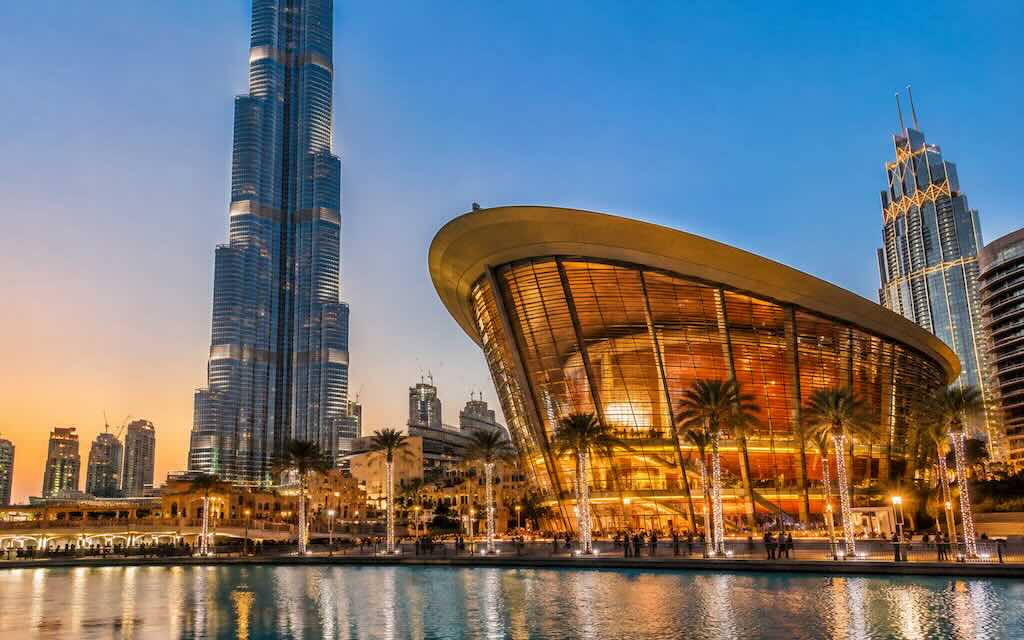
Dubai knows how to make a first impression. Glass towers catch the desert sun, restaurants compete for the most improbable views and almost everything seems designed to make you look up.
But spend a little longer in the city and another Dubai begins to appear.
There are contemporary galleries inside former industrial warehouses, performances beneath the skyline, independent cinema, design studios and historic neighbourhoods where the city’s story feels very different from the one told by Downtown’s skyscrapers.
If you’ve already seen the Burj Khalifa — or simply want to understand Dubai beyond its most photographed landmarks — start here.
Start in Alserkal Avenue
One of Dubai’s most interesting cultural destinations isn’t surrounded by polished towers at all.
Alserkal Avenue emerged from the warehouses of Al Quoz and has developed into a creative district encompassing contemporary art, exhibitions, performance, independent businesses and cultural events.
That’s precisely why it’s worth giving this part of Dubai several hours rather than treating it as another attraction to photograph and leave.
Walk between galleries. Stop for coffee. See what’s exhibiting rather than arriving with a rigid checklist. The programme changes, so the Alserkal you encounter on one trip may be quite different when you return.
Dubai’s official tourism guide describes Alserkal Avenue as one of the city’s leading creative districts for art, design, performance and culture.
Dress Up for Dubai Opera
Then there is the considerably more glamorous end of the cultural spectrum.
Dubai Opera sits in Downtown Dubai, close to the Burj Khalifa, and its programme can include opera, ballet, musicals, theatre, concerts and other live performances.
The building itself is part of the experience. Its design takes inspiration from the dhow, the traditional sailing vessel associated with the region’s maritime history.
Rather than visiting simply to tick off another Dubai landmark, check the current Dubai Opera programme before travelling. A performance gives you an excuse to experience Downtown after dark without making the evening entirely about restaurants and observation decks.
See What Dubai Is Designing Next
Dubai Design District — usually shortened to d3 — offers another perspective on the city.
This is where fashion, architecture, art and design intersect, with creative businesses, studios, exhibitions and events contributing to an area that feels deliberately different from a conventional shopping district.
Its appeal varies depending on what’s happening when you’re in town, so this is another place where checking the current calendar matters more than following an old list of attractions.
If your trip overlaps with one of Dubai’s major design or fashion events, d3 can become considerably livelier.
Don’t Ignore Old Dubai
Contemporary culture is only half the story.
Head toward the older parts of Dubai and the city’s scale changes. The towers recede, streets become more intimate and the Dubai of trading, migration and life around the Creek comes into clearer focus.
Al Fahidi Historical Neighbourhood is a natural place to wander rather than rush. Courtyards, traditional architecture and narrow lanes offer a striking contrast to the version of Dubai most visitors see first.
From there, continue toward Dubai Creek and cross the water by abra. The short wooden-boat journey is wonderfully simple — especially in a city famous for doing almost everything on an enormous scale.
Make Room for Independent Film
An older guide to Dubai’s cultural scene would probably have told you to visit the Dubai International Film Festival.
Don’t plan your trip around it.
The once-prominent festival went on hiatus after its 2017 edition and should no longer be presented as a current annual Dubai event.
Film culture hasn’t disappeared with it. Cinema Akil at Alserkal Avenue has helped create a home for independent and arthouse film in the city, making it a far more useful contemporary recommendation for travellers interested in cinema.
Time a Visit Around Dubai’s Art Calendar
If art is one of the reasons you’re travelling, timing can completely change the experience.
Dubai’s cultural calendar includes exhibitions, performances, talks, installations and larger annual events. Rather than relying on a static list written months before you arrive, look at what’s actually happening during your dates.
This is particularly useful around the city’s busier cultural periods, when galleries and creative districts can feel interconnected rather than like isolated destinations.
And Then There Are the Books
Dubai’s cultural identity isn’t exclusively visual.
The Emirates Airline Festival of Literature has become an important gathering for readers, writers and ideas, bringing authors and audiences together through conversations, workshops and events.
If your dates coincide with the festival, it’s worth looking beyond whichever international names appear at the top of the programme. Regional writers and discussions can offer something much harder to get from a conventional sightseeing itinerary: a window into the ideas and stories circulating through the city itself.
The Dubai Between the Landmarks
There is nothing wrong with wanting the spectacular version of Dubai.
See the skyline. Stand beneath the Burj Khalifa. Have the impossible dinner overlooking the city if that’s what brought you here.
Just leave some empty space in the itinerary.
Spend an afternoon wandering through Alserkal without knowing which gallery you’ll enter next. Take an abra across the Creek. See a film you haven’t heard of. Book a performance. Sit somewhere long enough to notice the city rather than simply photographing it.
Dubai’s scale may be what gets your attention first. Its cultural life gives you a reason to look closer.