




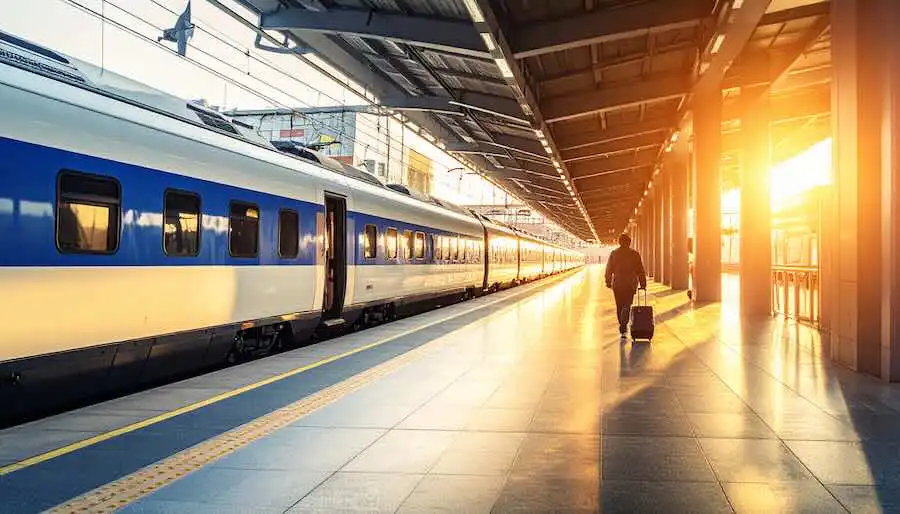
In 2026, exploring the Northeast Corridor by train remains one of the most scenic and genuinely convenient ways to see this stretch of the United States. For a journey that blends history, culture, and modern comfort in equal measure, Boston to Washington, DC is hard to beat.
Train travel along this corridor offers a relaxed, immersive way to watch the landscape shift between major cities without the hassle of driving or the compression of flying. Here’s what makes the Boston-to-Washington route worth the trip, and why it remains one of America’s most popular rail experiences.
The Route in 2026
The Boston-to-Washington, DC route remains a cornerstone of Amtrak’s Northeast Corridor. The Acela Express — now running the newer NextGen Avelia Liberty trainsets — offers high-speed service across 14 stops, including Providence, New Haven, New York City, Philadelphia, and Baltimore. Along the way, glimpses of iconic landmarks slip past the window: the Statue of Liberty, the Liberty Bell, Fort McHenry. For current schedules and fares, visit Amtrak’s Northeast Routes page.
The Experience
Train travel offers a uniquely relaxed way to move through the East Coast. Unlike flying or driving, there’s room to stretch out, take in the scenery, and make use of onboard amenities like free Wi-Fi, café service, and dedicated quiet cars. The NextGen Acela’s upgraded interiors bring ergonomic seating and stronger digital connectivity throughout. For full onboard details, see Amtrak’s Onboard Experience page.
For anyone hoping to meet new people and make friends along the way, train travel is genuinely well suited to it. Shared spaces like the café car naturally encourage conversation, and the mix of fellow travelers — students, professionals, tourists — creates a real sense of community over the course of a multi-hour ride.
The Historical Landscape
The Northeast Corridor runs straight through American history. From Boston’s Freedom Trail to Philadelphia’s Independence Hall, the route passes through the birthplace of the Revolutionary War and the founding of the United States. Even without a particular interest in history, the architecture and shifting landscape along the way read as a kind of living timeline. For more historical context, the National Park Service’s National Trails System is a good place to dig deeper.
The Stops
Major stops like New York City and Philadelphia genuinely reward a longer layover. In New York, step off at Penn Station and head for the High Line or Times Square nearby. In Philadelphia, Independence Hall and Reading Terminal Market are the obvious must-sees. Depending on the itinerary, short side trips are also worth building in — Baltimore’s Inner Harbor, or Providence’s WaterFire Festival when it’s running. For deeper local guides, Lonely Planet’s Northeast USA coverage is a solid starting point.
Picking the Right Train
Amtrak offers several ways to cover this route. The Acela Express is the fastest and most refined option; the Northeast Regional is the comfortable, budget-friendly alternative for travelers with a bit more time to spare. Coach seats bring generous legroom and reclining comfort, while business class adds priority boarding and complimentary beverages. For overnight travel on connecting long-distance routes, private cabins with beds and en-suite bathrooms are also available.
Whether the plan is a quick day trip or a multi-city adventure, traveling by train from Boston to Washington, DC remains one of the most enjoyable ways to experience the East Coast. The combination of comfort, scenery, and history makes it a route worth repeating.
Conclusion
In 2026, the Boston-to-Washington DC train route continues to define the best of American rail travel. With NextGen upgrades, genuine historical depth, and easy access to major cities along the way, it strikes a rare balance of convenience and discovery. First-time visitor or seasoned rail traveler, this journey remains a genuinely timeless way to experience the United States. For broader travel planning tools, visit Amtrak Vacations.
FAQ: Boston to Washington, DC Train Travel 2026
1. How long is the train ride from Boston to Washington, DC?
The Acela Express takes roughly 6 hours 45 minutes to 7 hours depending on the specific departure, while the Northeast Regional averages around 7 hours 50 minutes to 8 hours 15 minutes. Always check current timetables at Amtrak’s Schedules page, since exact times shift by departure and season.
2. Is Wi-Fi available on board?
Yes. Both Acela and Northeast Regional trains offer free Wi-Fi and power outlets at every seat. For full connectivity details, see Amtrak’s onboard amenities page.
3. Can I bring luggage on the train?
Yes. Passengers can bring 2 carry-on bags and 2 checked bags at no extra cost, with oversized items potentially subject to additional fees. Review current policy at Amtrak’s Baggage Policy page.
4. Are meals available on board?
Yes. Café cars offer snacks, sandwiches, and beverages for purchase, while business and first-class passengers receive complimentary drinks and light meals. Menus rotate seasonally — see Amtrak’s Dining Options page for current offerings.
5. Is the Boston-to-DC train route scenic?
Genuinely, yes — coastal views, historic towns, and urban landscapes all pass by along the way. For photo spots and general travel tips, Travel + Leisure’s travel tips section is worth a browse before departure.