




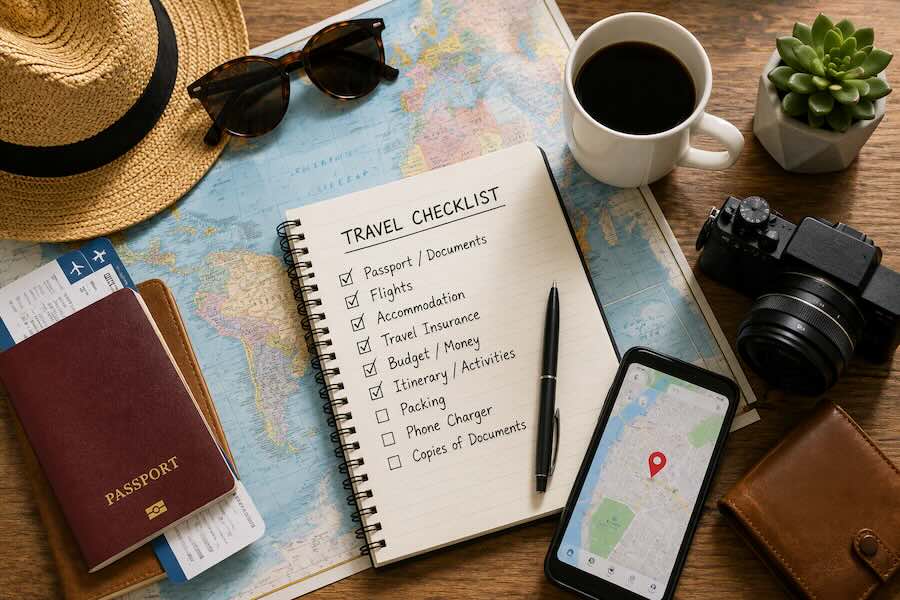
Good travel rarely comes from filling every hour. The trips that stay with us tend to have structure around the edges and space in the middle: a confirmed room, essential documents sorted, enough money set aside, then a few open hours to follow an unfamiliar street or linger over lunch.
That balance also makes travel less expensive and less stressful. From checking entry requirements early to packing lighter and planning realistic daily spending, a handful of practical decisions can prevent surprisingly costly problems once you leave home.
Leave Space in Your Itinerary
It is tempting to schedule every museum, restaurant and landmark before departure. Resist it. Reserve attractions that require timed admission and organise essential transport, but leave breathing room between them.
An unscheduled afternoon gives you time to explore a neighbourhood on foot, return to somewhere you discovered the previous evening or simply sit outside a café without watching the clock. It also creates a buffer when trains run late, weather changes or an attraction takes longer than expected.
Check Passports and Entry Requirements Early
International travel begins with paperwork. Check your passport’s expiration date well before booking and confirm the entry requirements for your destination using official government sources. Some countries require passports to remain valid for a specified period beyond the planned trip.
Visa and electronic travel-authorisation requirements depend on your nationality, destination and reason for travelling. Processing periods can also change, so relying on an old estimate or travel forum can create unnecessary trouble. Verify the current rules before departure.
Set a Realistic Travel Budget
Flights and accommodation are only the visible part of a holiday budget. Local transport, meals, attraction tickets, tips, baggage charges, mobile data, parking, fuel and small purchases can quietly consume a considerable amount.
Create a daily spending allowance and keep a separate reserve for emergencies. If you are planning a road trip, estimate fuel consumption against the distance you expect to cover and leave room for price changes.
Book Popular Attractions Before You Arrive
For major museums, observation decks, historic sites and popular tours, advance booking can be useful for more than securing a ticket. Timed admission can reduce the amount of your holiday spent standing in queues.
Compare prices through the attraction’s official website before purchasing through an intermediary. Check cancellation conditions too. A slightly cheaper non-refundable ticket is not necessarily better value when your itinerary is still changing.
Research Food Before Hunger Makes the Decision
A little restaurant research can protect both your budget and your evening. Save several places around the neighbourhood where you are staying, including inexpensive options, rather than waiting until everyone is hungry and choosing the nearest restaurant.
Local markets, bakeries and supermarkets can also keep everyday food costs under control. Not every meal needs to become an event. Sometimes fresh bread, fruit and something cold to drink on a park bench become the detail you remember.
Pack Smaller, Not Harder
Heavy luggage makes almost every stage of a journey more cumbersome. Pack clothing that can be combined easily and use smaller containers for toiletries rather than carrying full-size bottles. Refillable travel containers also reduce unnecessary bulk.
Rolling certain garments can make packing more compact, although the best method depends on the fabric and luggage. Packing cubes can be particularly useful because they separate clothing without turning the suitcase into a tightly compressed puzzle every morning.
If you buy souvenirs, consider how they will travel home before making the purchase. Shipping bulky or fragile items can sometimes make sense, but compare postage, insurance and customs requirements first.
Make Your Hotel Room Work for You
A few small checks after arriving can make the room noticeably more comfortable. Confirm the door locks properly, locate emergency exits and check the alarm clock before going to sleep. A forgotten alarm left by the previous guest is a particularly unpleasant way to meet 5:30 in the morning.
Keep essential medication, documents, chargers and valuables in consistent places. Hotel rooms are temporary spaces, and creating a simple routine makes it less likely that something important will disappear into a drawer when you check out.
Prepare Your Money Before Travelling Abroad
Check how your bank handles international transactions before departure. Understand foreign transaction fees, ATM charges and what to do if a card is lost or blocked. Depending on your bank, travel notifications may be unnecessary, optional or recommended, so follow its current guidance.
It is also sensible to have more than one way to pay. Keep a backup card separately from your primary wallet and carry an appropriate amount of local currency where cash remains useful.
Share the Essential Details With Someone at Home
Someone you trust should know the broad outline of your journey, particularly when you are travelling alone or visiting remote areas. Share accommodation details, important transport information and a reliable way to contact you.
You do not need to transmit every movement. The aim is simply to ensure that someone knows where you are expected to be if communication unexpectedly stops.
Take Drinking Water Seriously
Water safety varies significantly between destinations. Check authoritative travel-health guidance for the country you are visiting rather than assuming that tap water is safe or unsafe.
Where local guidance advises against tap water, follow recommendations concerning drinking, ice and food preparation. Travellers with specific health concerns should seek professional medical advice before departure.
Try Outdoor Travel Before Buying All the Gear
Camping can look wonderfully simple from a photograph: canvas, pine trees, pale morning light. The equipment list tells a different story. Tents, sleeping systems, cooking equipment and outdoor clothing can become expensive quickly.
If you are new to outdoor travel, begin with day hikes, a short local trip or rented equipment before purchasing a complete setup. You will learn what you actually use and what can stay on the shop shelf.
Build Flexibility Into the Journey
The strongest travel plan is not necessarily the most detailed one. It is the plan that can absorb a delayed train, an unexpected expense, bad weather or a restaurant you suddenly decide is worth another hour.
Book what genuinely needs booking. Know your budget. Keep documents and payment methods secure. Then leave some white space in the itinerary. Travel becomes much more interesting when there is still room for the destination to change your plans.
Frequently Asked Questions
How far ahead should I start planning an international trip?
Start checking passport, visa and entry requirements as early as practical. Flights and accommodation can then be planned around your destination, season and budget. There is no single booking window that works for every trip.
How can I avoid overspending while travelling?
Set a daily budget that includes food, local transport and activities, then maintain a separate emergency reserve. Researching restaurants, transport passes and attraction prices before departure can also expose avoidable costs.
Should I plan every day of my vacation?
No. Reserve time-sensitive attractions and important transport, but leave unscheduled periods for spontaneous discoveries, rest and delays.
What information should I leave with someone at home?
Share your general itinerary, accommodation details, important transport information and a reliable method of contacting you. This is especially useful for solo and remote travel.
Rank Math Focus Keyword: travel planning tips
SEO Title: Travel Planning Tips for a Smarter, Easier Trip
Meta Description: Practical travel planning tips for budgeting, packing, booking, documents and creating a smoother, less stressful trip.
Tagline: A calmer way to plan the journey before you leave.
Slug: travel-planning-tips
Site Category: Travel
Tags: travel planning, travel tips, budget travel, packing tips, international travel