




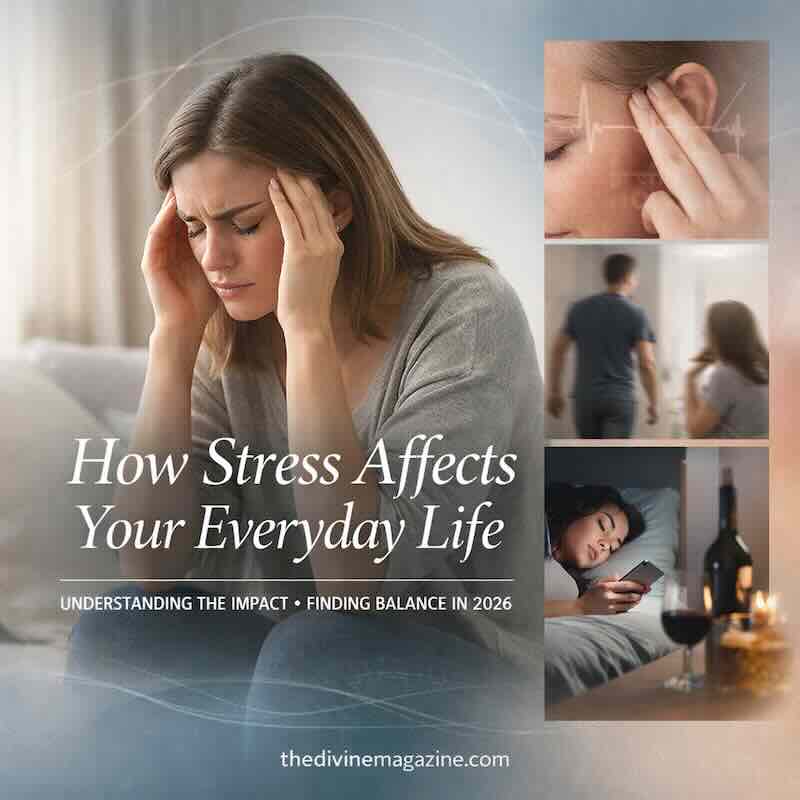
In 2026, stress remains one of the most common health challenges worldwide — amplified by digital overload, economic uncertainty, and constant connectivity. Whether it’s financial worries, family tension, or workplace pressure, stress can quietly shape how we think, feel, and function. Recognizing its impact is the first step toward managing it effectively.
Stress is a natural response to life’s demands, but chronic stress can harm both body and mind. Ignoring it doesn’t make it disappear — it often intensifies over time. In 2026, mental health experts emphasize proactive stress management as essential to long-term wellbeing. For updated insights, visit World Health Organization – Stress Overview.
#1: Physical Effects of Stress
Stress doesn’t just affect emotions — it can manifest physically. When cortisol levels remain high, the immune system weakens, making the body more vulnerable to illness and fatigue. Common physical symptoms include:
- Tiredness and low energy
- Headaches and migraines
- Chest pain or rapid heartbeat
- Muscle tension and aches
- Skin flare-ups (eczema, psoriasis)
If these symptoms persist, consult a healthcare provider. Chronic stress can exacerbate conditions like hypertension and digestive disorders. For medical guidance, see Mayo Clinic – Stress Symptoms.
#2: Anger and Emotional Reactivity
Even the calmest person can lose composure under stress. Heightened tension often leads to irritability or anger, which can strain relationships and workplace dynamics. Recognizing early signs — clenched jaw, racing thoughts, or raised voice — helps prevent escalation.
When anger rises, step away from the trigger and practice grounding techniques. These relaxation techniques remain effective in 2026, alongside mindfulness apps like Headspace and Calm.
#3: Addictive Behaviors
Stress can drive people toward unhealthy coping mechanisms — alcohol, overeating, or substance use. While these may offer temporary relief, they often worsen anxiety and physical health over time. In 2026, digital addiction (doomscrolling, gaming, or social media overuse) has also become a major stress amplifier.
If you’re struggling with addiction, seek professional help. Support networks like SAMHSA National Helpline or local mental health services can provide confidential assistance. You can also reduce your stress levels with a hobby — creative outlets and physical activity remain proven stress relievers.
#4: Sleep Disruption
Stress hormones like cortisol and adrenaline can interfere with sleep cycles, leaving you restless or waking frequently. Overthinking before bed compounds the problem. Establishing a nightly wind-down routine helps signal your body to relax.
Try meditation, gentle stretching, or a warm bath before bedtime. These nightly habits can improve sleep quality. For science-backed sleep strategies, explore Sleep Foundation – Stress and Sleep.
Conclusion
Stress is inevitable, but chronic stress is not. In 2026, mental health awareness continues to grow — and so do tools for managing it. Whether through therapy, mindfulness, or lifestyle changes, the goal is balance. Identify your triggers, set boundaries, and prioritize rest. Small, consistent actions can transform how you respond to pressure.
For ongoing support, explore Mind UK – Stress Resources or Psychology Today – Stress Basics.
FAQ: Stress and Wellbeing 2026
1. How can I tell if my stress is chronic?
Chronic stress lasts for weeks or months and often causes fatigue, irritability, or sleep issues. If symptoms persist, consult a healthcare provider. Learn more at American Psychological Association – Stress.
2. What are quick ways to reduce stress during the day?
Take short breaks, breathe deeply, stretch, or step outside for sunlight. Even five minutes of mindfulness can reset your nervous system. Try guided breathing via Breathwrk.
3. Can technology help manage stress?
Yes — wearable devices and apps now track heart rate variability and stress levels. Tools like Fitbit Sense and Oura Ring offer real-time insights to help you adjust your habits.
4. How does diet affect stress?
Balanced nutrition supports hormone regulation and energy stability. Omega‑3s, magnesium, and antioxidants can reduce stress impact. For dietary guidance, see Healthline – Foods That Help Anxiety.
5. When should I seek professional help?
If stress interferes with daily functioning, relationships, or sleep, reach out to a therapist or counselor. Early intervention prevents escalation. Find licensed professionals via BetterHelp or Talkspace.