

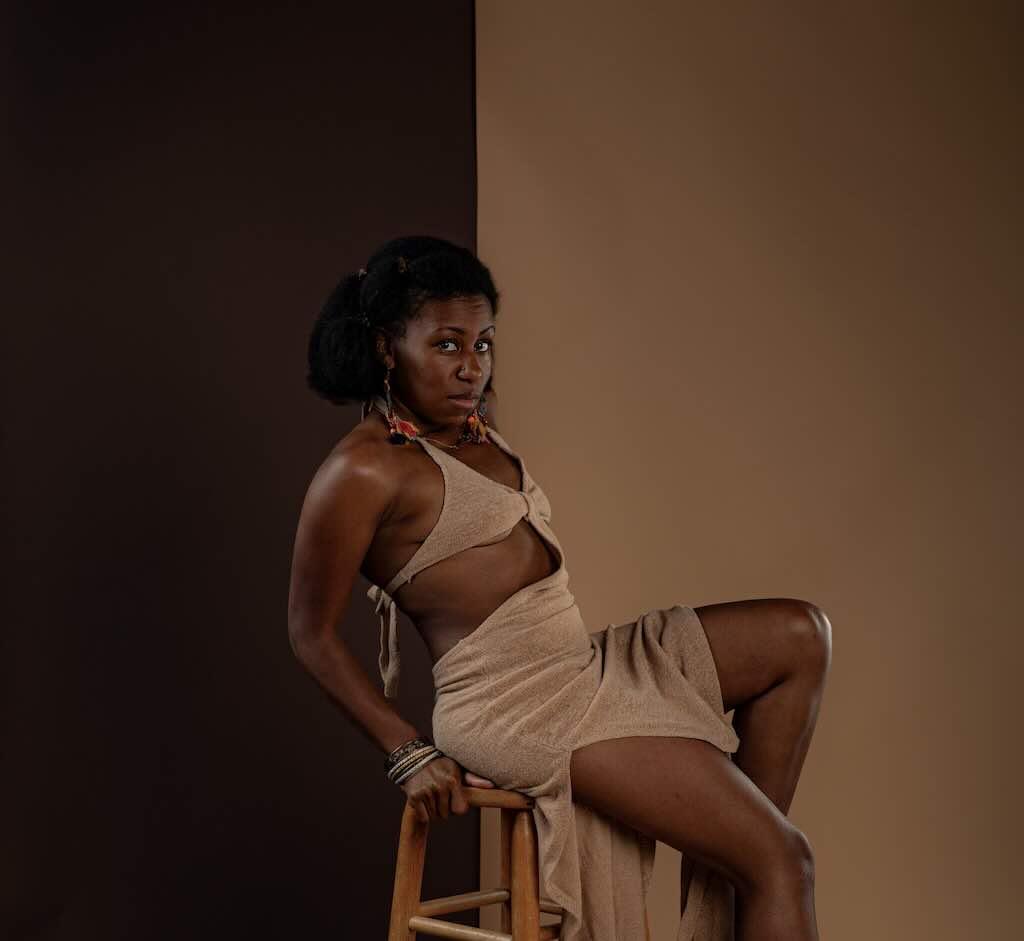


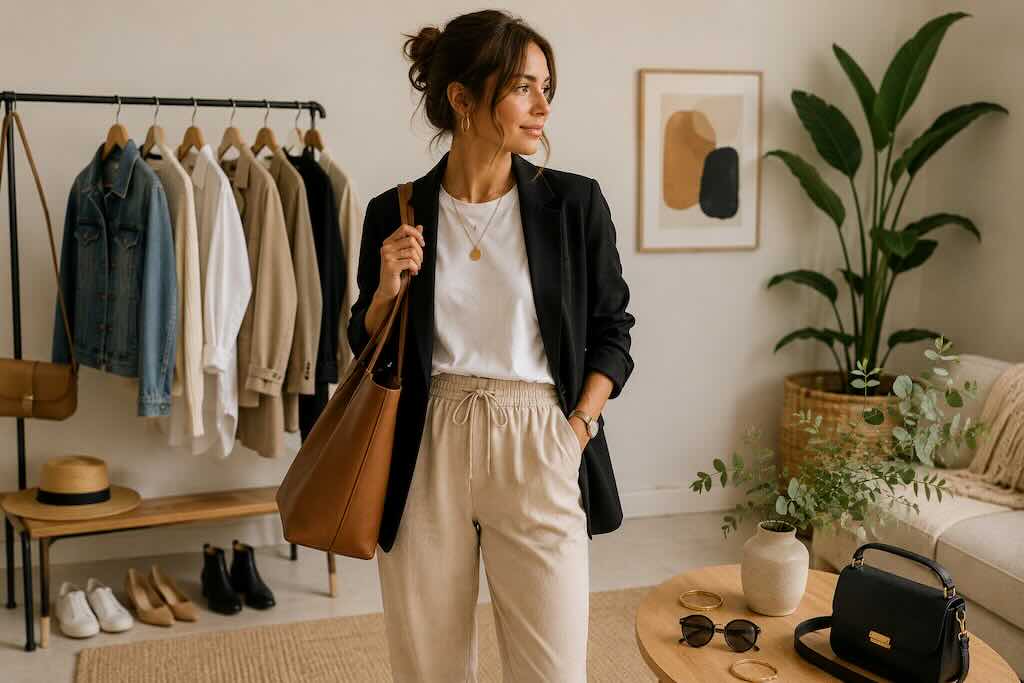
Comfortable clothes do not have to look accidental. The difference is usually found in proportion, fabric and one deliberate detail: a crisp jacket over a soft T-shirt, a fluid trouser with a clean waistband, or polished shoes beneath relaxed denim.
Editor’s note: This article has been updated for 2026 to replace dated trend references, remove rigid workplace assumptions, improve the fabric and footwear advice, and focus on comfortable styling principles that can work beyond a single fashion season.
The useful question is no longer whether comfort and style can coexist. Modern wardrobes are already filled with relaxed tailoring, softer construction, stretch fabrics, wide-leg trousers and sneakers that move comfortably between casual and more polished settings.
The challenge is making those pieces look intentional. Start with fit and silhouette, then use texture, color and accessories to sharpen the result.
1. Build an Outfit Around One Clean Color
Black remains useful, but it is the simplicity of a limited palette rather than black itself that does most of the work.
Imagine soft black trousers, a charcoal knit and a dark jacket. The shapes can remain relaxed because the uninterrupted color story makes the outfit feel considered. Navy, chocolate brown, cream, grey and muted olive can work in much the same way.
Monochromatic dressing also leaves room for texture. Cotton beside wool, smooth leather against denim or a fine knit underneath a structured outer layer creates depth without requiring loud patterns.
If your wardrobe feels disconnected, Divine’s guide to making your wardrobe feel fresh offers additional ways to work with pieces you already own.
2. Let Accessories Do the Polishing
A comfortable base can be extremely simple: jeans and a T-shirt, loose trousers and a knit, or a soft dress with flat shoes.
Accessories determine where that base goes next.
A leather belt can introduce structure. A watch adds a small metallic detail. Sunglasses sharpen a summer outfit, while a well-shaped bag can give relaxed clothing a clearer silhouette.
The key is restraint. Instead of adding several accessories because the clothes feel basic, choose one or two pieces with enough visual presence to finish the outfit.
Accessories should also suit the person wearing them. Divine’s guide to essential men’s accessories applies the same principle: useful pieces tend to earn their place through repetition rather than novelty.
3. Add Structure Without Adding Stiffness
One structured piece can change the geometry of an otherwise soft outfit.
Try a relaxed blazer over a T-shirt and wide-leg trousers, a cropped jacket with softer denim, or a clean overshirt above a lightweight knit. The shoulders and edges create definition while the layers underneath remain comfortable.
Structure does not need to mean rigid tailoring. Unlined jackets, softer shoulders and relaxed cuts can provide a clean outline without making the wearer feel enclosed.
Pay particular attention to the shoulder line and sleeve length. An oversized jacket can look deliberate when those proportions make sense; otherwise, it can simply appear to be the wrong size.
4. Choose Fabric by Feel and Function
Comfort begins before an outfit reaches the mirror.
Fabric determines how clothing feels against the skin, how it responds to heat and movement, and whether its shape survives several hours of sitting, walking and commuting.
Linen can be useful in warm weather because it is lightweight and visually relaxed, although creasing is part of its character. Cotton is versatile, while knitted fabrics can introduce stretch and softness. Wool varies considerably by fiber, weave and construction; a fine merino knit feels very different from a coarse, heavy wool fabric.
Do not judge comfort from the fiber name alone. Feel the fabric. Sit down in it. Bend your knees and shoulders. Check whether it pulls, scratches, traps heat or immediately loses its shape.
That physical test is more useful than assuming every natural fiber is comfortable or every synthetic one is not.
5. Find Better Versions of Your Everyday Staples
Comfortable style becomes much easier when the clothes you reach for repeatedly already fit well.
Instead of searching constantly for a new trend, identify the categories you actually wear. Perhaps that means straight or wide-leg jeans, plain T-shirts, knitted polos, loose shirts, pull-on trousers or an uncomplicated dress.
Then improve those categories gradually.
A heavier T-shirt may hang more cleanly than a thin one. Trousers with discreet elastic through part of the waistband can offer comfort without looking like loungewear. Denim with a small amount of stretch may make sitting and walking easier, provided the fabric still recovers its shape.
This approach also makes a wardrobe easier to combine. Divine’s guide to denim and its enduring appeal explores why a familiar staple can remain useful through repeated changes in fashion.
6. Use Long Layers to Control Proportion
Long layers create movement and can make simple clothes look more complete.
An open cardigan, lightweight coat or long overshirt produces a vertical line through an outfit. It can also make temperature changes easier to manage because the outer layer can disappear into a bag or over the back of a chair when it is no longer needed.
The strongest layered outfits usually contain some contrast in length or volume. A longer outer layer over a relatively simple base feels clearer than several loose pieces ending at almost the same point.
If everything is oversized, introduce definition somewhere else: a tucked section of shirt, a visible waist, a narrower sleeve or a cleaner shoe.
7. Treat Comfortable Shoes as Part of the Outfit
No outfit looks effortless when the person wearing it can barely walk.
Comfortable footwear is broader than it once was. Clean sneakers, loafers, ballet flats, supportive sandals and low boots can all work with polished casual clothing depending on the setting.
Fit matters more than a fashionable label. The American Podiatric Medical Association recommends choosing shoes that provide sufficient room for the toes and shopping according to the larger foot when the feet differ in size. Its guidance also notes that shoes should feel comfortable when purchased rather than depending on an uncomfortable break-in period.
For more footwear guidance, see Divine’s guide to choosing shoes for different occasions.
If heels are appropriate for an occasion, choose them according to the amount of standing and walking involved rather than assuming a particular heel shape will automatically be comfortable. Foot anatomy, fit and construction vary too much for one style to solve the problem for everyone.
8. Make Workwear More Comfortable
Workwear has become less uniform, but the appropriate level of formality still depends on the workplace.
Where the dress code allows it, softer tailoring can make a significant difference. Look for trousers that allow comfortable sitting, shirts that do not pull across the shoulders, lightweight knitwear and jackets with enough room for natural movement.
A useful test is to recreate the movements of an ordinary working day in the fitting room. Sit. Reach forward. Lift your arms. Walk quickly. If a garment becomes irritating within two minutes, eight hours is unlikely to improve the relationship.
Keep the visual language simple when comfort features are prominent. Soft trousers paired with a crisp shirt, for example, balance relaxation with structure. Sneakers may work beautifully in one office and be inappropriate in another, so let the actual dress code guide the final choice.
A Simple Formula for Comfortable Style
When an outfit feels comfortable but looks unfinished, avoid replacing everything. Change one element at a time.
- Start soft: Choose a comfortable base such as relaxed trousers, denim, a T-shirt, knit or simple dress.
- Add definition: Introduce a jacket, belt, tuck or more structured bag.
- Control the palette: Repeat one or two colors instead of introducing several competing shades.
- Check proportion: Balance wide pieces with cleaner lines elsewhere.
- Finish with footwear: Choose shoes that suit both the visual mood and the amount of walking ahead.
The same method works for travel, weekends and many workplaces. The individual garments change. The logic does not.
Conclusion
Comfortable style is less about finding clothes that resemble pajamas and more about removing unnecessary friction from getting dressed.
Soft fabric can sit beneath a precise jacket. Wide trousers can meet a clean leather shoe. A familiar T-shirt can look completely different when its weight, fit and proportions are right.
Keep the pieces that allow you to move naturally. Then give them enough structure, texture and intention to feel finished.
That is a more durable approach to personal style than chasing whichever item happens to be trending this month. For more ideas, read Divine’s guide to navigating fashion with confidence.
Frequently Asked Questions
How can I make comfortable clothes look more stylish?
Start with clothes that fit well, limit the color palette and add one structured element such as a jacket, bag, belt or polished pair of shoes. A few deliberate details usually work better than adding more clothing.
Can leggings look polished?
They can work in casual outfits when the fabric, fit and surrounding pieces feel intentional. Pairing them with a longer shirt, knit, structured jacket or clean outer layer can create a more considered silhouette.
Which fabrics are most comfortable for everyday clothes?
There is no single best fabric. Cotton, linen, fine wool and different knitted fabrics can all be comfortable depending on temperature, construction and personal sensitivity. Test how a garment feels and moves rather than relying only on its fiber label.
How do I make an oversized outfit look intentional?
Control the proportions. If trousers and an outer layer are loose, introduce a cleaner line through the top, waist, sleeve or footwear. Deliberate differences in length and volume keep oversized clothing from appearing shapeless.
Can sneakers work with smarter outfits?
Yes, where the setting permits them. Simple sneakers can work with tailoring, dresses and polished separates, particularly when their color and condition complement the rest of the outfit.
How can I make work clothes more comfortable?
Look for garments that permit normal sitting, walking and reaching without pulling or pinching. Softer tailoring, appropriate stretch and less restrictive construction can improve comfort while maintaining a professional appearance.