




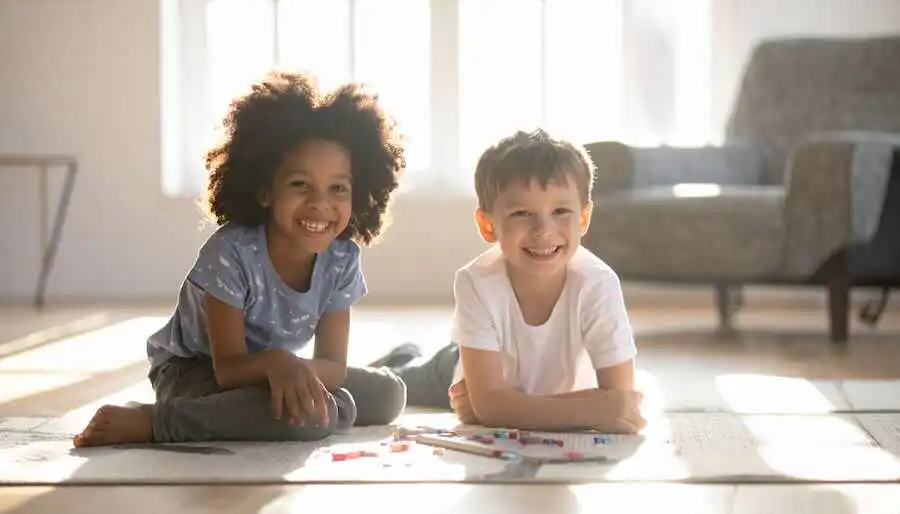
Deciding to foster a child ranks among the biggest, most meaningful decisions a family can make. It’s a genuine chance to offer a loved, secure home where a child in need can feel accepted and truly supported.
How existing kids respond to a foster child moving in, though, can genuinely surprise a family. Even genuine excitement about a new sibling doesn’t guarantee an instant connection.
Here are real techniques to help kids bond with a foster child, building toward a genuinely happy and peaceful home for everyone.
Foster Child Bonding with Your Children
Share Activities
Icebreaker games work as genuinely effective ways to get to know someone — the same principle strengthens the relationship between a foster child and existing kids. A range of kid-friendly activities lets everyone relax and genuinely enjoy themselves. Natural conversation tends to follow during the activity itself, building exactly the relaxed atmosphere bonding actually needs.
Kid-friendly activities everyone can genuinely enjoy together:
- A park excursion
- An indoor soft play area
- A nature hike or a simple stroll
- A visit to the library
- Card or board games
None of these need to be heavy-lifting or tightly scheduled. Easygoing and lighthearted works best. It’s also worth checking whether the fostering agency runs its own events and activities worth joining.
Find Shared Interests
Getting to know a foster child is also a genuinely good opportunity to uncover common ground — maybe similar taste in music, movies, or video games surfaces naturally along the way. Bringing that shared interest up with the other kids can offer exactly the connection point everyone’s been quietly looking for.
Give Each Child Some Time on Their Own
Setting aside individual time with each child matters too, so everyone feels genuinely equal and involved. It can be as simple as asking about a school day or how someone’s feeling that day. Every child in the household — the foster child included — needs to feel like they genuinely matter.
Let the Bond Develop Naturally
The relationship between existing kids and a foster child genuinely needs to develop on its own terms, even with every one of these strategies in play. The children will set their own pace, and the relationship tends to click into place when the timing is right — a gentle nudge helps, but forcing it doesn’t. This kind of bond takes real time to settle and hold; it rarely happens overnight. For more support building a close relationship with a foster child, agencies like Fosterplus are a genuinely good resource to reach out to.
The possibility of watching kids build a genuinely lifelong relationship with a foster child is one of the more rewarding parts of the whole process. Patience, and enough room for everyone to get close in their own time, is really all it takes.
Conclusion
Shared activities, real one-on-one time, and honest patience do more for bonding than any single grand gesture ever could. The relationship between existing kids and a foster child builds gradually, on its own timeline — the job of the household is just to make that timeline feel safe and unhurried.
FAQ: Helping Kids Bond with a Foster Child
Q: How long does it typically take for kids to genuinely bond with a foster child? A: It varies widely by child and circumstance, but real, comfortable bonds often take several months to develop rather than weeks. Rushing the process tends to backfire more than it helps.
Q: What if my child seems jealous or resentful of the foster child? A: This is a genuinely common reaction, not a sign anything’s going wrong. Dedicated one-on-one time and openly acknowledging the feeling — rather than dismissing it — usually eases it over time.
Q: Should I force shared activities if the kids seem reluctant? A: Gentle encouragement works better than insistence. Low-pressure, optional activities give kids room to opt in on their own terms, which tends to build more genuine connection than anything mandatory.
Q: Where can I find more support for this transition? A: A fostering agency is usually the best first call — most, including Fosterplus, offer ongoing guidance and support specifically for helping foster and existing children build a genuinely stable relationship.