


Key Takeaways
- Emergency savings serve as a vital safety net against unplanned costs.
- Reviewing your budget regularly helps identify where you can cut back or create a buffer.
- Additional income sources add flexibility when surprise bills emerge.
- Responsible use of credit can be helpful in true emergencies, but must be planned for.
- Decluttering and selling unused items can generate quick cash to cover urgent needs.
- An ongoing insurance review ensures you are adequately protected against significant risks.
- Factoring in variable and seasonal expenses keeps surprises from upending your budget.
- Consulting a financial advisor helps you create strategies for both the short- and long-term.
Financial surprises are almost inevitable. Whether it’s a sudden trip to the emergency room, a broken-down car, or an urgent home repair, dealing with unplanned expenses can threaten your stability if you’re not prepared. Knowing how to manage such costs is crucial for maintaining peace of mind and long-term financial health. Establishing systems to handle these financial curveballs can help minimize stress and disruption, while options like MaxLend can provide short-term solutions to bridge unexpected gaps when they arise. With the proper preparation, you can turn financial surprises into manageable challenges rather than devastating emergencies.
Many people struggle to recover from even a few hundred dollars in surprise expenses. If you do not have a plan, it’s all too easy to fall into debt or drain your savings account. Planning, tuning up your household budget, exploring new ways to earn extra money, and keeping resources available for urgent needs all contribute to building a resilient financial foundation. Approaching unforeseen expenses with a strategic mindset ensures that even when life is unpredictable, your finances are not.
Build an Emergency Fund
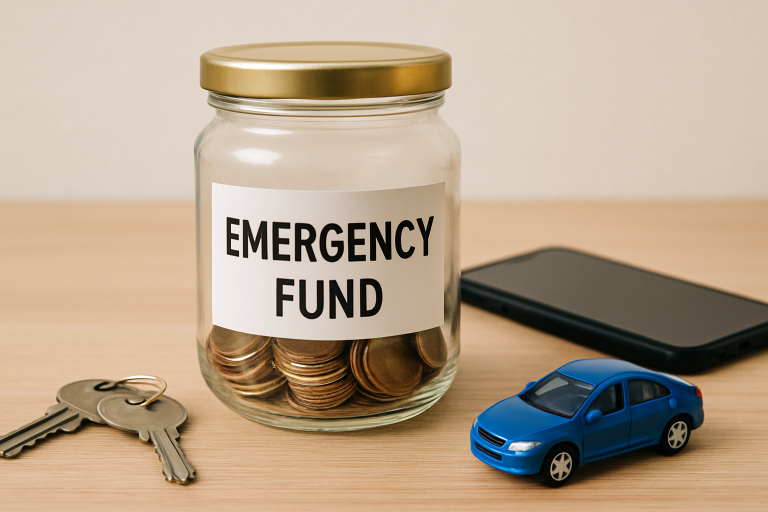
Consistently setting aside money for emergencies is the foundation for managing life’s financial unpredictability. Experts recommend saving at least three to six months’ worth of basic living expenses. While that goal may seem out of reach, even a few hundred dollars can turn a financial emergency into an inconvenience instead of a crisis. Add to your emergency fund regularly, and avoid dipping into it for non-urgent needs. According to NerdWallet, automated transfers to a separate savings account make it easier to build your fund over time.
Review and Adjust Your Budget
Routine budget check-ins ensure you’re ready for uncertainty and can spot areas to trim excess spending. By allocating a percentage of your income, usually five to ten percent, to a “miscellaneous” or “unexpected” category, your finances become more flexible. This devoted buffer safeguards you from being blindsided by real-life surprises, protecting your planned savings and essential expenses.
Explore Additional Income Streams
Building income beyond your primary job can provide a critical cushion during financial emergencies. Whether it’s freelancing, part-time work, or gig economy jobs such as delivery driving or pet sitting, these earnings can be quickly funneled into your emergency savings or used to address urgent expenses. The flexibility and immediacy of these jobs make them ideal for covering shortfalls without resorting to high-interest debt.
Utilize Credit Wisely
Credit, when used responsibly, can act as a stopgap during emergencies. If faced with an unavoidable, significant expense, low-interest personal loans or credit cards may help, provided you have a plan to repay the debt quickly to minimize interest costs. Always read the terms carefully before borrowing, and make repaying any debt a top priority. For more tips on using credit during emergencies, see this guidance from CNBC Select.

Sell Unused Items
Tapping into the value of unused possessions by selling them online or through local consignment shops provides a dual benefit: reducing household clutter and quickly generating extra cash. Many household items, gadgets, clothing, and furniture accumulate value over time but go unused. Hosting a garage sale or posting items on marketplaces like eBay or Facebook Marketplace puts money in your pocket when you need it most.
Review Insurance Coverage
Insurance is often an overlooked defense against high, unexpected costs. Set a yearly reminder to review health, auto, renters, homeowners, and other key policies. As your circumstances change, like a new property, a move, or a change in family status, adjust your coverage levels to match. This simple annual review can prevent overwhelming out-of-pocket costs in an emergency, such as an accident, health issue, or loss due to theft.
Plan for Variable Expenses
Many predictable but irregular costs, such as annual insurance premiums, car maintenance, and property taxes, can disrupt finances if not planned for. Break these expenses into monthly “pseudo-bills” in your budget. For example, if you pay $600 annually for car insurance, add $50 per month to a dedicated fund. This approach prevents large seasonal bills from wiping out your savings or throwing your budget off track.
Seek Professional Financial Advice
If you’re overwhelmed or unsure how to optimize your approach, a financial advisor can help you develop a personalized strategy. An advisor can offer unbiased guidance, review your current economic structure, and help you prioritize savings, insurance, and debt repayment. Even a single consultation can yield action items for strengthening your safety net for future uncertainties.
Successfully navigating unplanned expenses starts with preparation. By building helpful habits and being proactive, you ensure that even when the unexpected happens, your finances remain steady, and your goals stay on track. These practical strategies can position you to face any financial challenge with greater confidence and control.