


People willingly spend a fortune on luxury goods because they want to have the prestige and exclusivity that comes with the brand. To make a brand appear luxurious requires work. Read on to learn more.
The market is dominated by cheap goods. Nowadays, people no longer have to spend a fortune on almost any product, from clothing to home appliances.
Still, luxury brands survive.
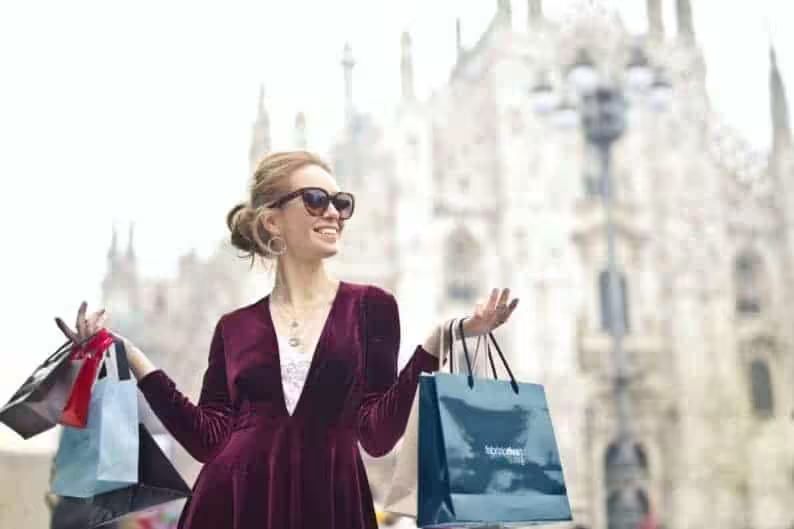
Despite the cost of owning designer goods, people continue to spend their hard-earned money on luxury handbags, shoes, clothes, jewelry, consumer electronics, and cars.
The ultra-wealthy are not the only customers of luxury brands. These companies continue to thrive because regular people are not in the financial position to afford these expensive products. They either save up money or go into debt to add luxury goods to their closet.
The Psychology of Luxury Brands
There are two main reasons why people buy luxury goods: the belief that these products are of higher quality and to boost their self-esteem.
There is some truth to the belief that the more expensive item is built better. If the cost is higher, it means that the manufacturers used higher quality materials and spent more time building them. For comparison, mass-manufactured products are cheaper because the company prioritizes quantity over quality.
Of course, it is not always the case. Some products are low-cost, but the quality is good. They offer better value for their products. A good example of this is Samsung versus Apple. The two smartphone manufacturers make good quality devices, but iPhones are usually more expensive than Galaxy S phones.
However, compare a Louis Vuitton bag to a $5 bag from Amazon. You likely will get more use out of the luxury product.
There is also prestige that comes from owning items from expensive brands. It is something that people show off to their family and friends. It is a product that they can post on social media about and feel pride using.
Many of these designer brands also have a following. People feel like they belong in an exclusive but tight-knit community when they wear or carry these products. That, alone, makes them want to spend their savings on luxury goods.
Prestige Pricing as a Strategy
Creating prestige comes with jacking up the prices. As mentioned, there are certain assumptions that come with a higher price tag. Consumers tend to trust the quality of a product better and believe it to be a worthy investment for their money. It also makes consumers want the product more because it is associated with wealth and elegance.
The cost of its products shapes the brand’s image and how it comes off to consumers. The more expensive products create prestige because only a small percentage of the population can afford them.
But, the expectations are also higher. Because the customer is spending more on the product, the quality should be superior to whatever else is in the market. Otherwise, people will buy good quality but less expensive products. Aside from the prestige, the brand should be worth the expense.
Advertising a Luxury Brand
Price is only one part of the prestige. The advertising and marketing of the brand should also communicate class.
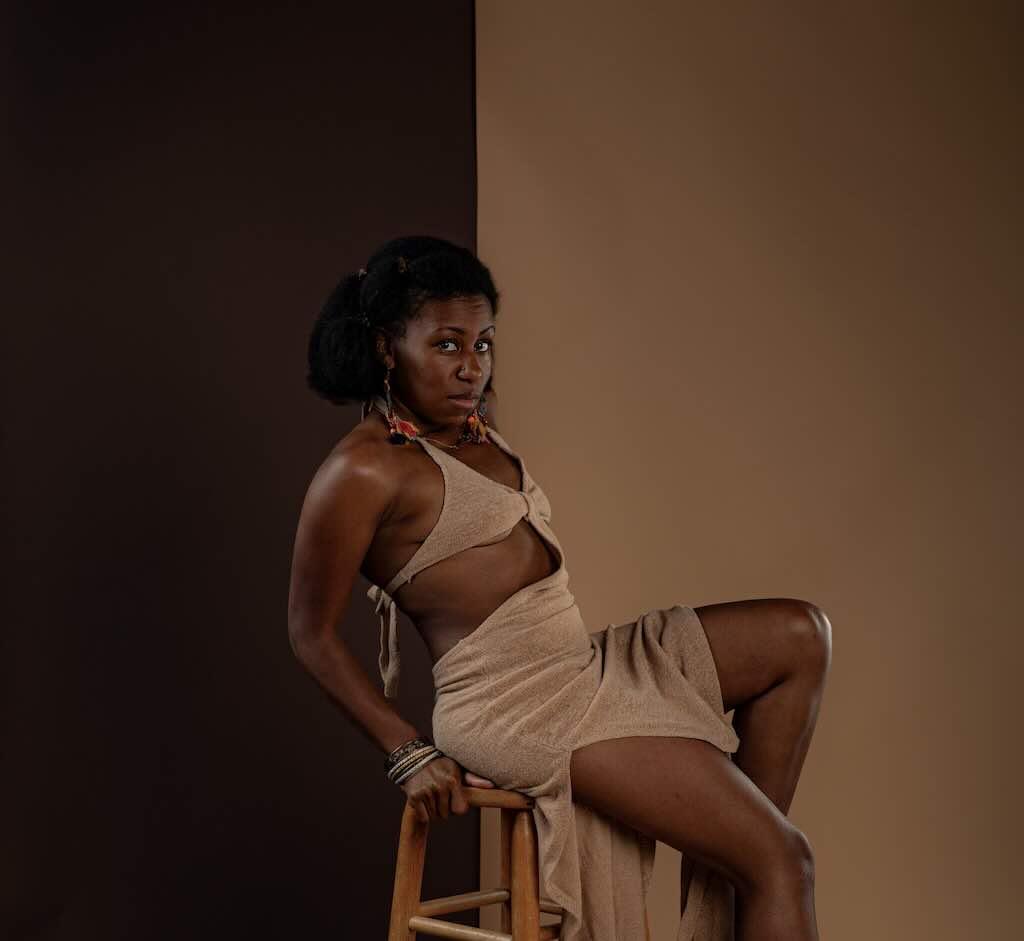
All luxury brands spend a fortune hiring the best in the industry. They work with top photographers and models. They dedicate a good portion of their budget toward high-end photo retouching services to make sure that the ads that are published on magazines and billboards are perfect. If not, well, there have been instances when badly edited or shot images were released to the public and then mocked.
The brand should also pay attention to the right marketing channels. A luxury brand needs to be exclusive. By advertising everywhere, the brand loses exclusivity.
Aside from exclusivity, luxury brands need to reach the right audience. It will be a waste of time and money to be visible to every consumer, including those who never have the intention to purchase designer products.
The likes of Gucci, Prada, Hermes, Chanel, and Dior mostly advertise on magazines and websites whose audience involves the rich and famous (as well as those who aspire to be among the wealthy). These brands are Vogue, Harper’s Bazaar, Vanity Fair, Elle, Tatler, and WWD. Consumers are unlikely to come across Burberry or Saint Laurent while browsing tabloids.
The company can do sponsored posts online and in partnership with renowned celebrity endorsers on social media. Brands can also run pay-per-click ads on high-end websites.
Becoming a luxury brand requires the business to take the right steps when it comes to quality, pricing, and advertising and marketing. Through these factors, the business has to communicate prestige and exclusivity to appeal to its target market.