





When we talk about betrayal trauma, our minds tend to jump to one story — women dealing with heartbreak, infidelity, or emotional abandonment. There’s a quieter epidemic that rarely gets the spotlight: masculine betrayal trauma. For many men, betrayal — by a partner, a friend, a family member — comes with a distinct set of challenges, often compounded by the same societal expectations that discourage vulnerability in the first place.
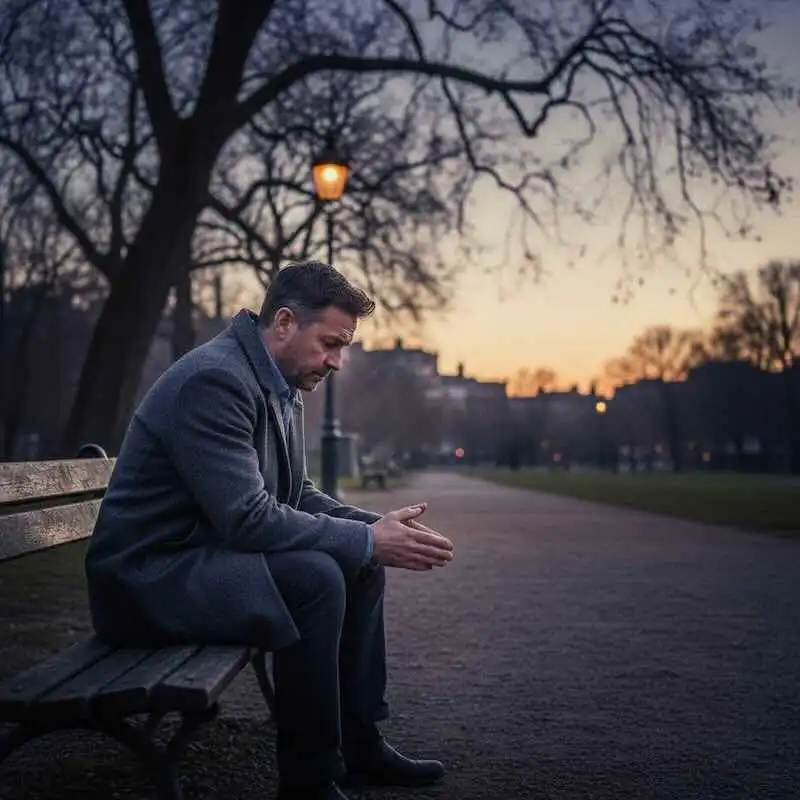
The Hidden Wounds of Betrayal
For men, betrayal trauma can be genuinely devastating. It isn’t just the loss of trust — it’s the shattering of self-worth, the questioning of identity, and the isolation that follows when the surrounding culture says to “man up” and move on. The pain is real. The permission to express it is often the part that’s missing.
- Emotional Suppression: Men are frequently taught to suppress emotion early, which makes processing betrayal significantly harder later.
- Stigma Around Vulnerability: Admitting pain can feel like weakness, which leaves many men suffering in silence rather than speaking up.
- Relationship Fallout: Betrayal shapes future relationships, trust levels, and even physical health in ways that often go unacknowledged.
Why Don’t Men Talk About It?
Societal norms often dictate that men should be strong, stoic, unemotional. That expectation creates a real barrier to healing — men may feel ashamed or fear judgment for opening up about trauma at all. The result is pain that lingers and resurfaces sideways, as anxiety, depression, anger, or withdrawal rather than as something openly named.
Psychology Today’s coverage of partner betrayal trauma notes that betrayal trauma often stems from the reliance placed on the person who caused the harm — a dynamic that applies just as much to men as anyone else, even though the cultural conditioning around asking for help rarely accounts for it.
Breaking the Silence: Steps Toward Healing
Healing from betrayal trauma is genuinely possible, but it starts with acknowledging the pain and giving men actual space to express it. A few steps that support real recovery:
- Encourage Open Conversations: Safe spaces — therapy, support groups, trusted friendships — are what make honesty possible in the first place.
- Challenge Stereotypes: Normalizing emotional expression for men means actively pushing back on outdated ideas about what masculinity is supposed to look like.
- Seek Professional Help: therapy provides real tools for processing trauma and rebuilding trust. Resources like BetterHelp offer confidential support options for anyone not ready for in-person therapy yet.
- Practice Self-Compassion: The pain is valid, and healing is a process — never a sign of weakness, whatever the surrounding noise suggests.
Resources for Men Facing Betrayal Trauma
- Healthline: Betrayal Trauma — Signs and How to Start Healing
- Psychology Today: The Cause and Effect of Partner Betrayal Trauma
- BetterHelp: Betrayal Trauma Recovery
Conclusion
Men experience betrayal trauma too, and they deserve the same empathy, support, and path to healing that’s more readily extended elsewhere. Breaking the silence around it is what starts to change the narrative — and gives men real permission to reclaim their voices rather than carry the weight alone.
If you or someone you know is struggling with betrayal trauma, reaching out is the first courageous step toward healing.
FAQ: Masculine Betrayal Trauma
Q: What is masculine betrayal trauma?
A: The emotional pain men experience after being betrayed by a partner, friend, or trusted individual — often hidden due to societal expectations around masculinity and emotional expression.
Q: Why is betrayal trauma in men often overlooked?
A: Society frequently expects men to suppress emotion and “stay strong,” which makes it harder to acknowledge or seek help for the pain. The trauma ends up minimized or ignored as a result — not because it’s less real.
Q: What are common signs of betrayal trauma in men?
A: Depression, anxiety, anger, difficulty trusting others, withdrawal from relationships, or changes in sleep and appetite. These signs are often subtle, or actively masked by an effort to appear unaffected.
Q: How does masculine betrayal trauma differ from women’s experiences?
A: Betrayal trauma can affect anyone, but men often face a distinct stigma and internalized shame tied to traditional gender roles — which makes it harder to talk about, let alone seek support for.
Q: What are healthy ways for men to cope with betrayal trauma?
A: Talking to a trusted friend, counselor, or support group; practicing self-care and mindfulness; allowing themselves to actually feel and process the emotions rather than push past them; and seeking professional help when needed.
Q: Can masculine betrayal trauma impact future relationships?
A: Yes — unresolved trauma can make it genuinely difficult to trust others or form close connections. Healing and open communication are what rebuild that capacity for future relationships.
Q: Where can men find support for betrayal trauma?
A: mental health professionals who specialize in men’s issues, online forums and support groups, community organizations focused on men’s mental health, and educational resources on emotional wellness.
Q: Why is it important to talk openly about men’s emotional pain?
A: Breaking the silence reduces stigma, encourages men to actually seek support, and builds a more inclusive, empathetic conversation about mental health for everyone — not just men.