


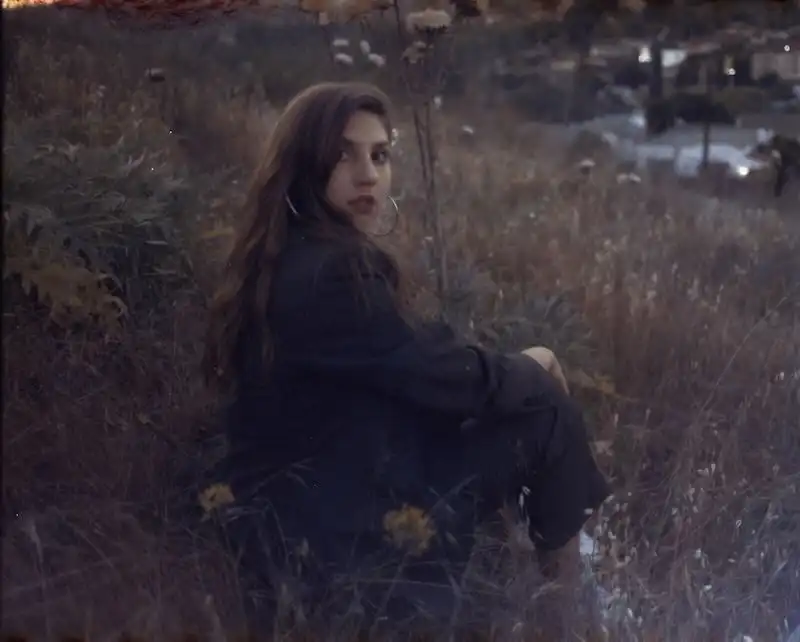
Jessica Mar is more than a musician—she’s a storyteller, mindfulness advocate, and community builder whose artistry resonates far beyond the stage.
As a livestream music host and proud NODA (Niece of Deaf Adult), Jessica channels inspiration from icons like The Black Keys, Janis Joplin, and Etta James, weaving their influence into a sound that’s both soulful and refreshingly authentic. Her journey is defined by a commitment to inclusivity and well-being, seamlessly blending her love for music with mindfulness practices that invite listeners to connect on a deeper level. Offstage, Jessica’s dedication to making a difference is just as powerful: she collaborates with anti-human trafficking organizations, lending her voice and talent to benefit concerts and live events that support vital causes. Through every performance and project, Jessica Mar stands as a testament to the transformative power of music, mindfulness, and community.

You describe yourself as a musician, mindfulness practitioner, livestream music host, and NODA (Niece of Deaf Adult). How do these different parts of your identity shape who you are as an artist?
I’ve always deeply valued variety, versatility, and diversity. With that in mind, I didn’t want to limit my artistry to any one particular passion. All of my work infuses multi-dimensionality into the different mediums I express myself through. For example, my live performances (both in-person and virtual) not only include music—they also include uplifting anecdotes, moments of connection, and the occasional mindfulness technique. When I’m able, I’ll also set down the guitar and interpret the lyrics to my original music in Sign Language, since my aunt (hence being a “NODA”) has told me how much it means to her when she can understand my music. We’re in the process of making our sets even more inclusive! It’s more of an overall “experience” than it is a “live music performance.”
Your new single “The Light” is described as a pop-funk anthem about embracing your whole self—light and shadow. Can you share the story of when and how this song first came to you?
When I originally wrote “The Light,” I was navigating one of the most uncertain times in my life—feeling caught between who I was and who I wanted to become. Years later, I now recognize that the process of integrating my own shadow led to the peace and alignment I experience today. Looking back, I can see that things really were “darkest before the dawn.” I want listeners to know that it’s okay to go through hard times and to have parts of ourselves that are challenging to accept—that doesn’t make you wrong or broken. By learning to embrace all parts of ourselves, even the ones we hide, we can realize that peace and wholeness are already available to us.
More Read

You wrote “The Light” during a period of deep internal conflict. What was happening in your life at that time, and how did turning it into a song help you move through that darkness?
I actually wrote this song years ago, when I was struggling to make ends meet as an artist in LA. At that time, I was learning a lot more about mindfulness and manifestation practices—so on one hand, my mind and soul felt like they were expanding, but on the other hand, it felt like I was trapped under a mountain of challenging circumstances and limiting beliefs. I have a line in the song that says “a tug of war between the life I want and what I know,” which perfectly sums up where I was mentally back then. I think that internal conflict of trying to break old habits and embrace new ways of being is something a lot of people can relate to. “The Light” helped me name what I was going through when I wrote it, and now that I’ve finally released it, it’s been helping me in a new chapter of shifting and growth. It feels like a “full-circle” moment.
The song’s message centers on integrating, rather than escaping, our “shadow” sides. How has your own journey with self-acceptance and inner work influenced your songwriting more broadly?
In many ways. One that is slightly more surprising, though, is giving myself permission to write sad or angry songs. I know that sounds silly, because so many artists write songs like that, but I do my best to write uplifting songs, or at least songs that are relatable. The more I learned about the way the subconscious mind works, the harder it was for me to write anything that felt even remotely negative. Doing the self-acceptance and integration work, however, helped me see that all expressions of human emotion are valid — it’s the overall intention that can really make an impact. So even when I’m writing or hashing out my feelings, I still ask myself, “To what end?” As a creator, I believe it’s my responsibility to be conscious of what I put out in the world for people to consume. So even my songs that aren’t 100% rainbows and sunshine still have a message about the human condition, and I think that authenticity is more valuable than perfection (which doesn’t really exist).
Musically, “The Light” blends groovy pop-funk with soulful vocals. How did you and your producers, Mert Özcan and Beto Vargas, collaborate to bring this particular sound and energy to life?
I showed a demo of the song to the guys—along with a few reference tracks—explained my vision to them, and we just dove in. I’ve had all of my songs that are currently released produced by Mert and Beto. They’re also some of my dear friends, so when we get together it’s a lot of fun. We do occasionally have those moments of searching for what feels like forever for the right sound or re-recording the same line over and over again, but mostly we just lose ourselves in the process and time flies. They’re musical geniuses, so I can say, “I want a sound that goes ‘bam bam boom’ here,” and they’re brilliant at deciphering my madness.

You draw inspiration from artists like Dua Lipa, The Black Keys, and Janis Joplin. What elements from these influences show up in your music, and how do you keep your sound distinctly “Jessica Mar”?
I would say these influences have helped me blend “soulful and complex” with “fun and groovy,” and that blend is what keeps my sound distinctly “Jessica Mar.” It’s like they say—there’s always someone better than you in any one thing, but you’re the best at your own unique way of doing it. So I really lean into giving people the best “me” I can be.
Your work sits at the intersection of music, mindfulness, and philanthropy. How did mindfulness become part of your creative practice, and what does that look like day-to-day for you?
I love this question! Earlier, I mentioned a time when I was struggling to make ends meet as an artist in LA. At that time, I also started working with a coach who opened my eyes more to the world of mindfulness, spirituality, and mindset. I was already pretty open to those things, but I didn’t know much about them. The more I learned and implemented what I was learning, the healthier I got—physically and emotionally. When I realized how much these practices were helping me, I knew I wanted to find a way to share them with others as well. Helping others was always intrinsically ingrained in my desire to perform, so melding the worlds of music and mindfulness while also finding causes to support was the next logical step. My daily practice is the foundation I live my life on. I have both a morning and a nighttime routine that keep me sane. The modalities might shift depending on how I’m feeling, but the practice itself is non-negotiable. It’s what I call “flexible structure.” I’m so passionate about this that I made a course about it.
You regularly collaborate with anti–human trafficking organizations through benefit concerts and live events. What inspired you to connect your artistry with this cause, and how has that work impacted you personally?
There’s not enough space for me to talk about how much I care about this cause. I narrowly evaded a human trafficking attempt during my senior year of high school on a trip to New York with a school group. We were all ultimately safe, thank goodness, but I realize how easily it could happen to anyone. I also had my eyes opened to how dangerous or compromised many environments are for children growing up in foster care, and a lot of trafficking predators prey on minors who are in vulnerable situations. If I can use my platform to help spread awareness about this ongoing tragedy—and even better, help raise funds to support survivors—then why wouldn’t I? It feels very fulfilling to know that we can make a difference and help save lives, even through small contributions.
As a livestream music host, you’ve built community in a very direct, real-time way. What have you learned about connection, vulnerability, and performance from those livestream experiences?
I’ve learned that people are people, no matter where you are. If you have genuine intentions and share your gifts authentically, you’ll build connections with great people. The world of livestreaming has also taught me that people want the real you, not the perfectly curated you. Sure, maybe the “perfected” images can garner upfront attention, but realness, honesty, and vulnerability (with healthy boundaries!) will build you a loyal community that goes beyond the upfront likes. I’m blessed to have community members I connected with via livestreaming who would ride at dawn for me—and vice versa.
You’ve been described as a powerhouse vocalist with an unmatched stage presence. How do you prepare—mentally, emotionally, and physically—for live shows so you can show up as your most authentic self?
This is a big “peek behind the curtain,” so to speak, because I’ve never shared this — but before I perform, I set an intention to deliver exactly what my audience needs. I go into “peak performance mode,” which is a tactic I learned from Tony Robbins. I also envision and deem each show a “success” before it even happens. I also do all the “normal” things like rehearse, practice, and plan ahead of time. But mostly, I just do my best to show up and shine!
Your brand is rooted in helping others “live life with intention and make an empowering impact.” What does living intentionally mean to you right now, and how do you hope listeners feel after experiencing your music?
Living intentionally simply means checking myself as much as possible and asking if my thoughts, words, and actions are aligning with who I really want to be. It’s not about being perfect—it’s about being purposeful. I hope that listeners feel seen and reminded of their own strength after experiencing any of my music or work.
Looking ahead, “The Light” is framed as the beginning of a new era for you—one of emotional maturity and spiritual depth. What can fans expect from this next chapter of your artistry and the new music you’re working on?
They can expect more vulnerability, more social media presence, new offerings, new music, and even more fun live multi-dimensional experiences. They can also expect to see more expansion in my membership, Mindful Music Mondays (MMM). If anyone wants to stay in the loop, following along on socials (@thejesicamar) and/or joining the mailing list on my website would be the best ways to do so.
For listeners who may currently be in their own “darkest before the dawn” moment, what message or encouragement would you most want them to take from “The Light”?
If you’re going through it right now, just know you’re not alone. I’m not only sending you so much love—I want to remind you that you are like a seed right now. It might feel like you’re buried in the dirt, which you are, but you’re experiencing what you need in order to sprout into an even more expanded version of yourself. Remember, even the most successful people have “before” stories. This is all a part of yours.
Instagram: https://www.instagram.com/thejessicamar/
Facebook: https://www.facebook.com/thejessicamar
TikTok: https://www.tiktok.com/@thejessicamar
https://open.spotify.com/artist/6H9mmx9Fn6UsI3JGmCCV7j?si=wXXMBPFMT9OFJRVYq7f8zg










This was a wonderful article! Great questions, mindful answers. More of this please! Best of everything to you Jessica Mar! May you continue to shine!!