




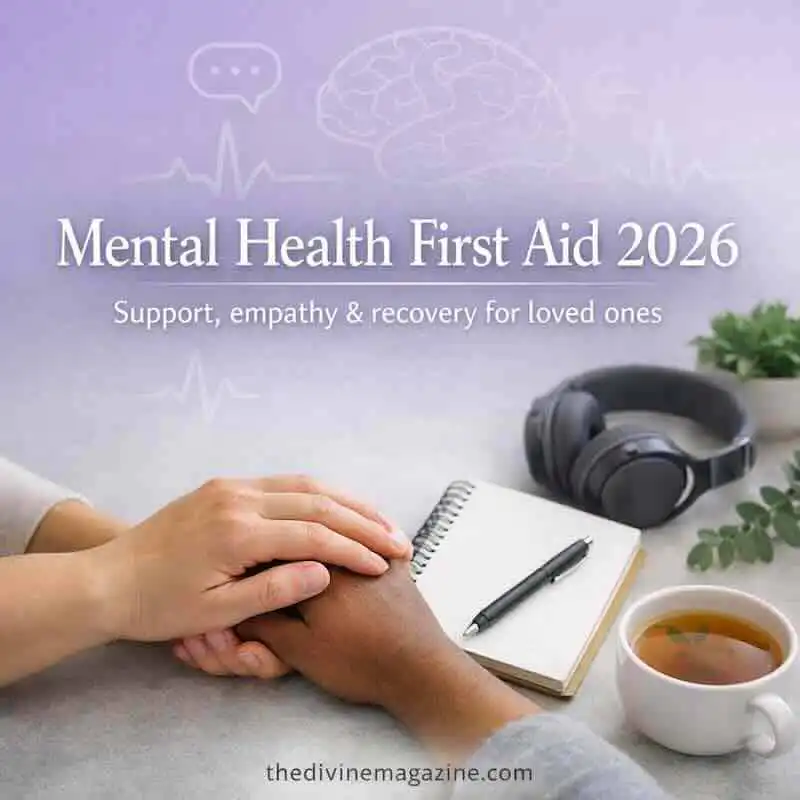
In 2026, mental wellbeing remains a cornerstone of overall health. Supporting loved ones on their journey toward emotional wellness is not just compassionate—it’s essential. As awareness grows, learning mental first-aid skills has become as vital as knowing physical first aid.
According to the World Health Organization, one in five adults worldwide experiences a mental health condition each year. In North America, studies show that nearly 20% of adults face some form of mental illness annually. Even healthcare professionals are not immune—research from the JAMA Network found that over two-thirds of clinicians report emotional exhaustion or anxiety. By learning how to respond effectively, we can play a crucial role in the wellbeing and recovery of those we care about.
Self-Education
Knowledge is the foundation of effective mental health support. Educate yourself about common conditions such as depression, bipolar disorder, and post-traumatic stress disorder (PTSD). Reliable resources like the National Institute of Mental Health and Mind UK offer accessible guides to symptoms and treatment options. Understanding these conditions helps you recognize early warning signs and provide informed, compassionate support.
Encourage Open Communication
Creating a safe space for dialogue is one of the most powerful tools for emotional healing. Encourage open, judgment-free conversations with loved ones. Listen actively—without interrupting or minimizing their feelings. According to the Mental Health Foundation, empathetic listening can reduce stigma and foster trust, making it easier for individuals to seek help.
Demonstrate Empathy and Understanding
Empathy is the cornerstone of mental wellbeing. Even if you don’t fully understand what someone is going through, acknowledging their emotions validates their experience. Avoid comparisons or minimizing statements—each person’s journey is unique. Remind them they’re not alone and that recovery is possible with time and support.
Encourage Professional Therapy
Therapy can be transformative. Encourage loved ones to seek help from licensed counselors, psychologists, or psychiatrists. Offer assistance in finding qualified professionals through directories like the Psychology Today Therapist Finder or local mental health networks. If they’re hesitant, reassure them that seeking therapy is a sign of strength, not weakness.
Promote Self-Care and Wellness
Encourage daily habits that nurture mental health—exercise, mindfulness, balanced nutrition, and adequate sleep. The Sleep Foundation and American Psychological Association highlight how physical activity and rest directly influence emotional resilience. Group activities like nature walks or creative hobbies can strengthen social bonds and promote belonging.
Be Patient and Empathic
Recovery is rarely linear. Be patient and supportive through setbacks. Remind loved ones that progress takes time and that healing is not a race. For healthcare professionals, managing administrative burdens can also impact mental wellbeing. Facilitating Financial Processes: Billing Assistance for Mental Health Services — For doctors and therapists, using efficient medical billing services helps reduce stress and ensures timely reimbursements, allowing them to focus on patient care rather than paperwork.
Conclusion: Building a Culture of Compassion in 2026
Supporting mental health in 2026 means embracing empathy, education, and proactive care. By learning mental first-aid, encouraging open communication, and promoting therapy and self-care, we can help loved ones navigate their challenges with dignity and hope. For healthcare providers, streamlined billing systems ensure that compassion remains at the center of care. Together, we can build communities where mental wellness is treated with the same urgency and respect as physical health.
FAQ: Mental Health First Aid (2026)
1. What is mental health first aid?
It’s the ability to recognize signs of mental distress and provide initial support until professional help is available. The Mental Health First Aid International program offers certified training worldwide.
2. How can I help someone who refuses therapy?
Be patient and nonjudgmental. Offer information about therapy benefits and share success stories from trusted sources like the American Psychological Association. Sometimes, gentle persistence and empathy can make a difference.
3. What are early signs of mental distress?
Changes in sleep, appetite, mood, or social withdrawal can indicate distress. The National Alliance on Mental Illness (NAMI) provides detailed symptom checklists.
4. How can families support mental health recovery?
Offer consistent emotional support, encourage healthy routines, and celebrate small victories. Family involvement improves recovery outcomes, according to the National Institutes of Health.
5. Where can I find reliable mental health resources?
Explore trusted organizations such as the World Health Organization, NAMI, and Mind UK for global and local support options.
By combining empathy, education, and professional guidance, we can make mental health first aid a universal skill—empowering communities to respond with compassion and confidence.