




Just prioritize designs that blend bold aesthetics with practical wear: consider unique cuts and mixed metals, lab-grown diamonds for ethical value, and durable settings that protect stones from daily damage; be wary of fragile pavé or exposed settings that can snag or lose gems. Let your ring showcase personal style while ensuring comfort, longevity, and resale potential so your choice serves you beautifully for years.
Key Takeaways:
- Choose standout center stones—colored gems, unique cuts, or mixed-stone arrangements—to break from classic diamond norms.
- Opt for distinctive settings and metal pairings—tension, halo variations, asymmetry, or mixed metals—to create architectural and personalized looks.
- Prioritize sustainability and personalization—lab-grown diamonds, vintage-inspired details, engravings, and stackable bands—for modern, meaningful designs.
Gemstone Revolution: Beyond the Traditional Diamond
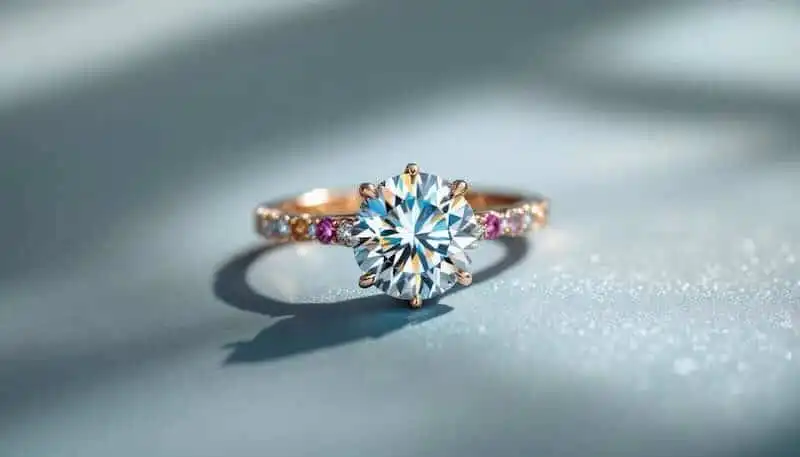
Designers now pair lab-grown diamonds, moissanite, and colored gems with modern settings to give your ring unique character and traceability; lab-grown diamonds often cost 20–40% less than mined counterparts while matching chemical and optical properties, and moissanite offers a refractive index of 2.65–2.69 for exceptional fire. You can prioritize ethical sourcing, GIA/AGS/IGI certification, or dramatic color: morganite, aquamarine, and tourmaline each bring distinct hues and price points to match your budget and lifestyle.
Unconventional Choices: Moissanite and Beyond
Moissanite gives you dazzling brilliance and a Mohs hardness around 9.25, so it resists daily wear better than many alternatives while costing a fraction of comparable diamonds (a 1.0 ct moissanite commonly falls well under typical diamond pricing). Lab-grown spinel, synthetic sapphire, and even lab diamonds expand options for size and hue without the same premium, letting you prioritize visual impact and durability in a contemporary setting.
The Allure of Colored Stones: Sapphires, Emeralds, and More
Sapphires (Mohs 9) offer a wide color spectrum—classic cornflower blue to padparadscha pink-orange—while rubies command top value for vivid red; emeralds display unmatched green but carry inclusions and cleavage and are often treated with oil. You can find natural, heated, or lab-grown versions: sapphires and rubies resist daily wear best, whereas emeralds require protective designs to mitigate chipping and abrasion.
Practical choices hinge on stone properties: choose a bezel or halo for emeralds because their typical hardness (~7.5–8) and inclusions increase chip risk; select prongs for sapphires and rubies to showcase depth of color. Note density differences—corundum (sapphire/ruby) is slightly denser than diamond, so a 6.5 mm round will weigh differently—use millimeter dimensions, not just carat weight, to gauge visual size and budget for treatment disclosures when assessing value.
Vintage and Retro Styles: A Nod to the Past
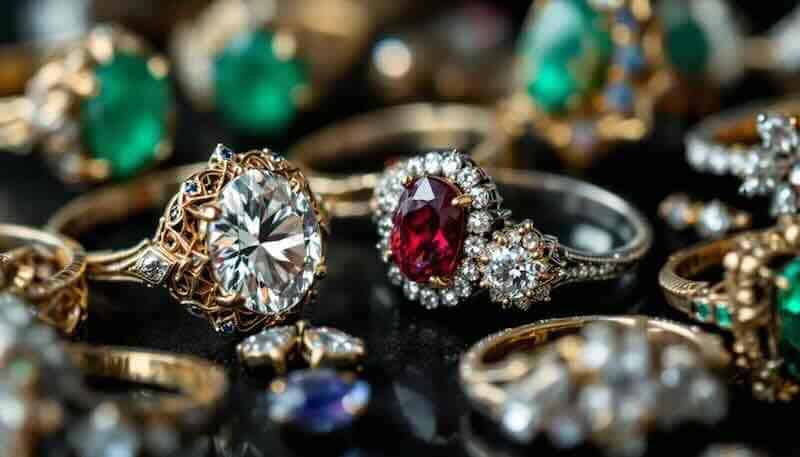
Mixing eras gives your ring character: Victorian filigree (1837–1901) favors intricate scrollwork, Edwardian pieces (1901–1910) use airy platinum lace, and Retro designs (1930s–1950s) bring bold, ribbon-like forms. You can pair old mine and rose-cut diamonds with modern silhouettes to keep sparkle while honoring provenance and opt for milgrain or hand-engraving to preserve that aged texture without sacrificing wearability.
Art Deco: Bold Geometric Designs
Art Deco from the 1920s–1930s emphasizes sharp geometry and symmetry: stepped bezels, chevron motifs, and channel-set baguettes. You might choose a platinum setting and contrasting sapphires or onyx to echo period contrast, or commission a Cartier-inspired three-tier halo that uses precise proportions—typical Art Deco ratios often split the center-to-side-stone widths at 2:1 for visual balance.
Antiques Reimagined: Incorporating Heirlooms
Repurposing a family stone keeps lineage alive: you can reset a great-grandmother’s old mine-cut diamond into a low-profile bezel or mix vintage emeralds into a modern halo. Discuss stone integrity and certification with your jeweler—fragile old settings may need reinforcement, and getting a graded report preserves both value and story.
Start with a professional appraisal ($50–$150 typical) and a gemological report if the stone lacks documentation. Expect trade-offs: recutting for brilliance can remove up to 30% of carat weight, while strengthening a setting might require moving from 9k to 14k/18k gold or platinum for durability. Use CAD renders to visualize changes and insist on bench-testing—ask the jeweler to check heat sensitivity and avoid harsh ultrasonic cleaning on brittle stones. Insuring the updated piece and retaining original components as keepsakes protects both value and sentiment.
Ethical and Sustainable Trends: Conscious Choices
You increasingly weigh source and impact when selecting a ring, tracking certifications like the Kimberley Process (est. 2003) or RJC (Responsible Jewellery Council, 2005) and favoring brands such as Brilliant Earth or Lightbox that publish sourcing details. Lab-grown stones often sell for 20–40% less than mined equivalents, and recycled metals reduce mining-related habitat damage, so your choices directly lower both social and environmental risks.
Lab-Grown Diamonds: The Eco-Friendly Option
You should know lab-grown diamonds are chemically and optically identical to mined stones, produced mainly by HPHT and CVD methods. Labs like IGI commonly grade them, and they typically carry a 20–40% price advantage, enabling you to prioritize cut and carat size over budget. Energy source varies by producer, so ask whether production uses renewable power to assess true environmental benefit.
Sourcing Responsibility: Understanding Fair Trade Practices
You can look for certifications such as Fairmined, Fairtrade Gold, or RJC chain-of-custody reports to verify ethical sourcing; these standards require third-party audits and often fund community programs. The Kimberley Process (2003) curbs conflict diamonds, while traceability initiatives—sometimes using blockchain—give you paperwork from mine to market so you can confirm wages, safety, and environmental safeguards.
You’ll want to request specific documentation: supplier invoices, third-party audit summaries, and any mine-level traceability like Everledger or brand-issued chain-of-custody reports. Inspect whether premiums return to communities through healthcare, schooling, or infrastructure projects and whether artisan miners receive capacity-building support. Brands that publish full supply-chain maps make it easier for you to verify ethical labor practices and environmental mitigations before committing to a purchase.
Customization: Tailoring Rings to Individual Narratives
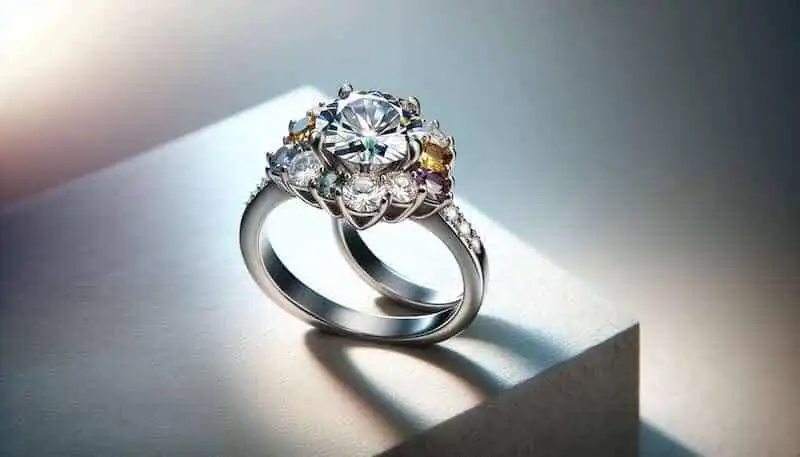
You choose details that turn a ring into a story: layering a 1.2 ct center stone with a 0.75 ct side halo, mixing 14k rose gold with platinum accents, or resetting a 100-year-old heirloom gem into a modern bezel. Practical specs—band widths from 1.5–3 mm, bezel walls 0.8–1.2 mm—affect wear and longevity, so your aesthetic decisions align with technical choices to ensure the piece reflects your narrative and endures daily wear.
Personalized Engravings and Unique Settings
Laser engraving now reproducibly renders micro-text (as small as 0.2 mm) for fingerprints, Morse code, or GPS coordinates on the inner shank, while unique settings—tension, east‑west, or knife‑edge—change how light plays across a 0.5–3 carat stone. Avoid excessively deep engraving on bands under 1.5 mm: deep cuts (>0.5 mm) can weaken thin shanks, so you balance sentiment with structural safety and choose fonts or symbols that remain legible after years of wear.
The Rise of 3D Printing in Jewelry Design
Resin SLA rapid prototyping and metal DMLS/SLM let you iterate designs in 48–72 hours instead of weeks, enabling intricate filigree, internal hollows, and lattice structures impossible with traditional casting. Designers use 25–100 micron layer resolutions to achieve features down to ~0.2–0.3 mm, so your bespoke ring can include organic, biomorphic forms or hollow chambers for secret inscriptions; this speed and geometric freedom transforms customization.
Metals printable directly include titanium, stainless steel, and cobalt‑chrome, while 18k/14k gold often uses printed wax/resin patterns for lost‑wax casting to preserve alloy characteristics. Expect post‑processing—heat treatment, HIP for DMLS parts, and hand‑polishing—to take additional days; minimum wall thicknesses of ~0.7–1.0 mm apply, and direct metal prints can exhibit porosity and higher per-piece cost, so you weigh finish requirements and budget when choosing the production route.
Modern Influences: Technology and Cultural Shifts
Advances like CVD and HPHT lab-grown diamonds, blockchain provenance (example: Everledger), and 3D printing have reshaped how you design and verify rings; retailers such as James Allen and Blue Nile offer 360° views and AR try-on, cutting decision time and returns. Expect faster customization workflows and greater demand for ethically sourced options, but watch for mislabeling and undisclosed treatments that can affect value and care requirements.
Social Media’s Role in Shaping Preferences
Platforms transformed discovery: Instagram Shops and TikTok Shopping (launched 2020–21) let you see, shop, and try styles instantly, while hashtags like #engagementring accumulate millions of posts influencing taste. Micro-influencers drive niche revivals—vintage halos and minimalist solitaires—so your search behavior often predicts inventory shifts at major jewelers within days.
Trends Driven by Popular Culture and Celebrity Influence
High-profile proposals create measurable demand:Meghan Markle’s 2017 three-stone ring and celebrity designers like Lorraine Schwartz have pushed three-stone and statement styles into mainstream orders, prompting jewelers to stock replicas and customizable variants you can adapt for budget or meaning.
Analyzing post-engagement search spikes shows how you can translate celebrity cues into practical choices:opt for a scaled-down center stone, substitute a lab-grown gem, or use sentimental side stones to echo a celebrity aesthetic without the premium; Be mindful that exact replicas may carry copyright or ethical concerns and rarely match the provenance or pricing of headline designs.
Conclusion
To wrap up, choosing a modern engagement ring that stands out means you balance distinct design, high-quality materials, and personal symbolism so your ring reflects your style and values. Opt for unconventional cuts, mixed metals, or ethical stones, and consult a trusted jeweler to ensure craftsmanship, fit, and long-term wearability that match your expectations.
FAQ
Q: What design elements make a modern engagement ring stand out?
A: Contemporary standout rings combine unexpected shapes, textures, and color contrasts: asymmetrical and geometric profiles, mixed-metal bands (rose gold with white gold or platinum), colored center stones (sapphire, emerald, or fancy yellow/rose diamonds) or accent stones, and alternative settings like bezels, tension mounts, or low-profile halos. Details such as openwork galleries, hidden side stones, engraved or hammered finishes, and unique prong styles add personality while keeping the piece wearable.
Q: How do I choose a standout ring that suits my partner’s style and daily life?
A: Match the ring’s silhouette and durability to lifestyle and wardrobe. For active hands, choose lower-profile settings (bezel, flush, or tension) and harder metals (platinum, 18k gold). For a fashion-forward wearer, consider bold center stones, colored accents, or stackable guard rings. Bring photos of their jewelry, try on similar shapes for comfort, consult a jeweler about band width and stone height, and balance visual impact with practical wearability.
Q: What should I consider about gemstones, sourcing, and care for a distinctive ring?
A: Pick gemstones by combining beauty and durability: diamonds and sapphires resist daily wear; emeralds and opals require gentler handling. Ask for full disclosure on treatments and provenance—lab-grown or traceable natural stones offer ethical alternatives. Get a professional appraisal and insure the ring. For maintenance, clean regularly with a mild solution, avoid harsh chemicals and high-heat exposure, and have settings inspected annually to secure stones and preserve finish.