




Staying in shape stopped meaning treadmill loops a while ago. In 2026, the outdoors has become the workout — hiking, swimming, cycling, all of it building strength while doing something a gym never quite manages: clearing your head. Here’s what’s actually worth building into your routine this year.
Hiking: More Than a Walk in the Woods
Hiking works your body and mind at once — uneven terrain recruits your core, legs, and back in ways flat pavement never does, and the view at the top does something a mirror at the gym can’t.
Moderate hiking burns up to 370 calories an hour, with real benefit for heart health and endurance. Uphill stretches build glutes and hamstrings; downhill work sharpens balance and core stability. For route ideas, AllTrails and National Geographic Adventure are both worth a look.
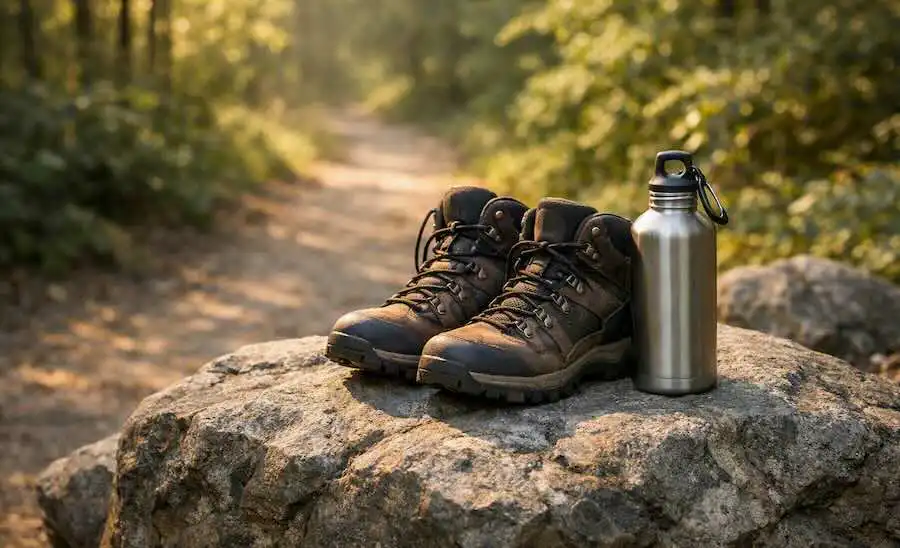
Start easy — proper footwear, water, snacks, sunscreen. Once the basics are second nature, night hikes and high-elevation routes add real challenge. Every step is doing double duty: strength and mindfulness together.
Swimming: The Full-Body Case
Swimming stays the low-impact standard — full-body engagement without the joint strain, water resistance doing the intensity work instead of gravity. That makes it accessible at nearly any fitness level.
A 30-minute swim burns 200–300 calories depending on stroke. Freestyle leans cardiovascular, breaststroke builds flexibility, butterfly is pure upper-body power. Lung capacity improves as a side effect, which makes swimming genuinely strong for endurance training. More at Swimming World Magazine.
Pool, lake, or backyard setup — aqua aerobics and treading water both build coordination and confidence in the water. For safety and technique, Red Cross swimming lessons are a solid starting point.
Cycling: Stamina Built Into a Commute
cycling does double duty — practical transportation and real cardiovascular training at once. An hour at a moderate pace burns around 400 calories and gives metabolism a lasting boost.
Quads, hamstrings, calves take the brunt of flat riding; uphill work pulls in glutes and core. Long-distance rides build both physical endurance and the mental kind. For gear and routes, Cycling Weekly and BikeRadar are good references.
Start flat and short before tackling mountain trails. A helmet, padded shorts, and gloves aren’t optional extras — they’re what makes the ride sustainable.
Rock Climbing: Strength That Requires Focus
Climbing asks for physical power and mental focus in equal measure — indoor wall or natural cliff, it works nearly every muscle while sharpening mental clarity along the way.
Pulling upward builds arm, shoulder, and back strength; grip and forearm power keep you on the wall. Core stabilizes, legs push, and somewhere in there problem-solving and confidence both get a workout too. Technique and safety guidance at Climbing Magazine.
Indoor gyms and bouldering are the natural starting point. Proper shoes and chalk matter more than they seem to. Pair a climbing session with something like offshore fishing for a weekend that resets both body and mind.
Gardening: Fitness in Disguise
Gardening doesn’t look like exercise, but digging, planting, and weeding are genuine low-impact strength work — grip, mobility, and patience all trained at once, with the stress-reduction of a mindful practice built in.
Light gardening burns 200–300 calories an hour — a gentle but real routine. For ideas, Gardenista and Better Homes & Gardens are worth browsing.
Start small — a balcony planter, a vertical garden, a backyard patch. Herbs or flowers, it doesn’t matter much. The tending is the point.
What Outdoor Hobbies Actually Give You
Hiking, swimming, cycling, climbing, gardening — none of these read as “workout” in the traditional sense, and that’s exactly the point. Replace structured routine with something you actually want to keep doing, and staying in shape stops requiring willpower.
Pick one, let it become a habit rather than a task. The process itself brings the balance — the fitness is almost a side effect. The real benefit runs well past physical.
Conclusion
Movement, mindfulness, and time outside — that’s the actual formula for 2026 fitness, not another program to follow. Step outside and let the terrain do some of the coaching.
FAQ
Which outdoor hobby burns the most calories?
High-intensity hiking and cycling generally lead, depending on terrain and duration.
Are outdoor workouts better than gym routines?
Not strictly better — but they add mental clarity and natural resistance that complements indoor training rather than replacing it.
How can beginners start safely?
Start low-impact — walking, gardening, swimming — and build intensity gradually from there.
What gear is essential?
Supportive footwear, weather-appropriate clothing, hydration, sun protection, and activity-specific gear — a helmet for cycling, a harness for climbing.
How often should I do outdoor workouts?
Three to four sessions a week is a reasonable target, mixing intensity and duration to match fitness level and recovery.