




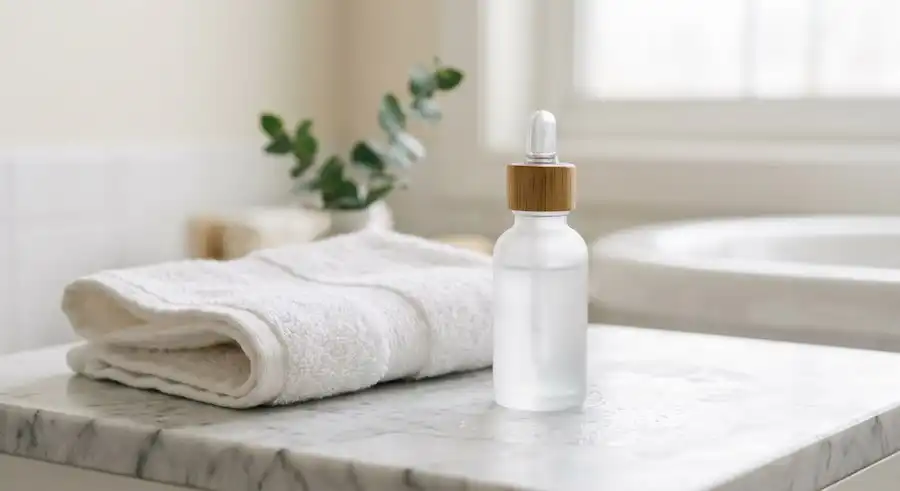
Botox has never had to be the only route to smoother skin, and 2026 has widened the field considerably. Peptide-based topical serums — sometimes marketed loosely as “Botox alternatives” — have become one of the more talked-about categories in skincare, promising some of the same softening effect without a needle. The claims are worth a closer, more skeptical look than the marketing usually gets.
What These Products Actually Are
Most products in this category center on peptides — short chains of amino acids — with acetyl hexapeptide-8 (commonly branded as Argireline) among the most common. The theory is that it interferes, mildly, with the same neuromuscular signaling Botox blocks more aggressively, softening the look of fine lines from repeated facial movement. The mechanism is plausible on paper. What’s less settled is how much of that effect survives when the ingredient is applied topically rather than injected — skin is a genuinely difficult barrier for larger molecules to cross, and peer-reviewed evidence for meaningful clinical effect at topical concentrations remains thin.
Where the Marketing Gets Ahead of the Evidence
A pattern worth watching for: products in this space are frequently marketed using injection-style application — vials, stamping tools, “treatment” language borrowed directly from clinical procedures — despite being sold as over-the-counter cosmetic products, not medical devices. That framing can blur an important line. Anything actually designed to be injected falls under medical device and pharmaceutical regulation for a reason; a product sold without that oversight, packaged to resemble one, deserves real scrutiny before it goes anywhere near skin, let alone under it.
If a product’s instructions describe puncturing or injecting the skin and it isn’t administered by a licensed provider using an approved, regulated substance, that’s a genuine red flag — not a shortcut worth taking. Real Botox and its dermal-filler counterparts are prescription treatments for a reason: sterile technique, precise dosing, and a professional who can manage complications all matter.
What’s Actually Worth Trying at Home
The legitimate end of this category is more modest, and more useful. Topical peptide serums — applied to intact skin, the way any other serum would be — are a reasonable, low-risk addition to a routine, even if the anti-wrinkle claims are best treated with some skepticism. Retinoids remain the topical ingredient with the strongest clinical evidence behind them for fine lines and texture. Consistent SPF use does more for long-term skin aging than nearly anything else on the shelf.
For anyone specifically interested in a Botox-like effect, the honest options are: an in-office treatment with a licensed provider, or a topical peptide serum with modest, well-managed expectations. There isn’t currently a credible at-home injectable middle ground.
Conclusion
The gap between “Botox alternative” as a marketing phrase and Botox as an actual regulated medical treatment is wide, and it’s worth keeping that gap in view. A topical serum earns a place in a routine. A vial and a stamping tool sold for home injection does not — no matter how the packaging is styled. When in doubt, a dermatologist is the right first call, not a product page.
FAQ
Do peptide serums actually work like Botox?
Not in the same way. Botox blocks nerve signals to muscle directly and requires injection; topical peptides may offer a much milder surface effect, with limited strong clinical evidence to support dramatic claims.
Is it safe to inject a cosmetic peptide product at home?
No — this isn’t recommended. Products not approved as injectable medical devices, used outside a clinical setting without sterile technique or professional oversight, carry real risk of infection and other complications.
What’s a safer way to get a similar effect?
A licensed provider offering actual Botox or a comparable FDA-approved treatment is the safer route for anyone seeking that specific result. Topical peptide serums are a lower-risk, lower-expectation option for a skincare routine.