

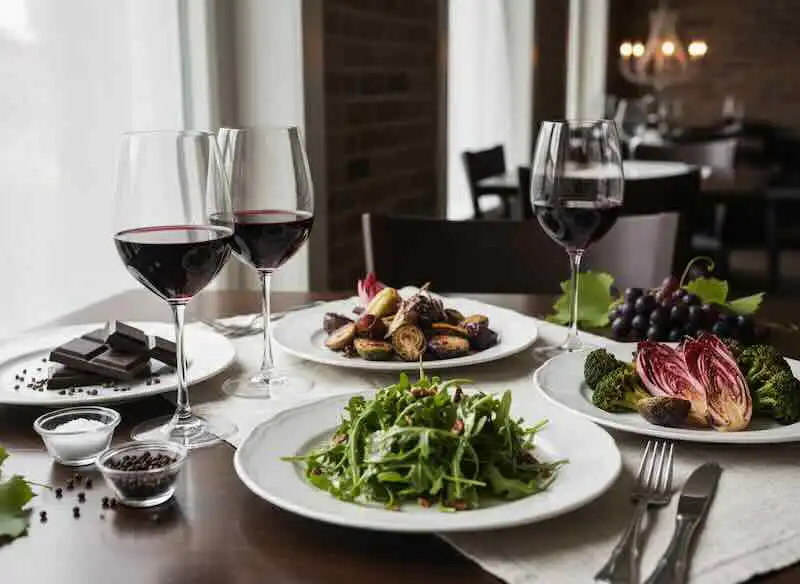
Just approach bitter foods with a clear strategy: assess the dish’s bitterness, acidity, and sweetness, then choose wines that complement rather than amplify unpleasant bitterness. You should lean toward neutral, citrus-driven whites (Muscadet, Aligote, or Grüner), low-tannin reds (Gamay or light Pinot Noir), or textured orange wines, matching herbal or chocolate notes to create balanced, harmonious bites and sips every time.
Key Takeaways:
- Favor neutral, acidic whites (Murancon Sec, Aligote, Muscadet) to balance bitter vegetables—acidity lifts richness without overpowering bitterness.
- Match flavor profiles: grassy/herbal wines (Loire Sauvignon Blanc, Friulano, Grüner Veltliner, Sylvaner) complement chicory/endive, while Amarone pairs well with dark chocolate.
- Avoid high-tannin reds; choose low-tannin, bright reds (Gamay, light Pinot Noir, Poulsard/Trousseau, or Pineau d’Aunis), or opt for orange wines for added depth and citrusy peel notes.
The Art of Balancing Bitterness with Wine
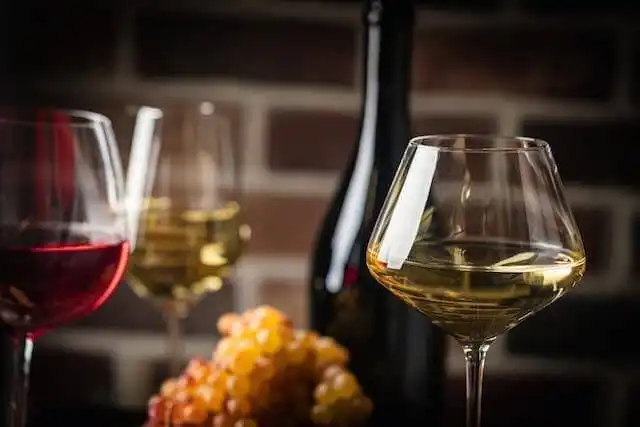
You fine-tune balance by choosing wines that either soften or frame bitterness: high-acid whites (6–8 g/L TA) cleanse the palate, off-dry wines tame bitter edges, and neutral whites let the dish lead. Try Muscadet with grilled artichoke, Aligoté with kale salad, or an Amarone for dark chocolate; small taste tests with a 15–30 ml sip alongside the bite reveal whether acidity, sweetness, or neutrality best harmonizes the bitterness.
Understanding Acidity’s Role in Pairing
Acidity (typically 6–8 g/L in crisp whites) brightens bitter greens and cuts through richness, so you’ll reach for Loire Sauvignon Blanc or Aligoté to lift chicory or radicchio. You’ll notice that a wine with 0.5–1% higher perceived acidity makes bitter compounds seem less clinging, while low-acid wines allow bitterness to dominate; you can adjust this by sampling the wine alongside a lemon-dressed bite to test the effect.
The Importance of Neutral Wines
Neutral wines provide a non-competitive backdrop, allowing bitter flavors to register without aromatic interference; varietals like Jurançon Sec, Aligoté, and Muscadet (Melon de Bourgogne) exemplify this, pairing cleanly with endive, kale, and Brussels sprouts. You can rely on these wines across salads and roasted bitter vegetables because their subtle fruit and minerality support rather than mask the dish.
Look for neutral whites in the 11–12.5% ABV range with moderate acidity (around 6–7 g/L); Muscadet sur lie adds slight salinity and texture that softens bitterness, while Jurançon Sec’s dry profile frames flavors without floral intensity. Try side-by-side comparisons—Muscadet vs. Grüner Veltliner with roasted artichoke—to hear how neutrality versus herbal character shifts perceived bitterness and overall harmony.
Flavor Alignment: Matching Wine to Bitter Ingredients
Choose a wine that has a strong flavor similar to the main bitter taste in your dish: grassy, herbal white wines like Loire Sauvignon or Grüner Veltliner go well with chicory and radicchio, while neutral, high-acid wines like Muscadet or Aligot For bitter-rich dishes finished with nuts or ripe fruit, reach for wines with ripe fruit concentration and gentle bitterness—Amarone or a lightly sweetened fortified wine—so your wine enhances the food without amplifying harsh tannins.
More Read

Herbaceous and Grassy Options for Leafy Greens
Choose wines that echo the green character of kale, dandelion, or endive: Sauvignon Blanc from Sancerre (Loire) offers zesty grassiness and 6–8 g/L acidity that cuts through oil and salt, Grüner Veltliner brings white-pepper and green-apple notes, and Friulano supplies a faint almond bitterness that complements bitter leaves without overpowering them—ideal when your dressing is lemon- or vinegar-forward.
Exploring Pairings with Dark Chocolate
Pair dark chocolate by matching cocoa intensity to wine weight: 60–70% cocoa bars pair nicely with ruby or tawny ports and fruity Amarone, while bars with over 70% cocoa do better with wines that are sweet and have a bit of bitterness— Amarone’s rich dried fruit, spice, and subtle flavors make it a great choice; steer clear of young, high-tannin Cabernet
For more precision, pair by cocoa percentage and wine style:50–60% dark chocolate works well with medium-bodied reds like Zinfandel or aged Tawny Port (10–20 years) that offer caramel and dried-fruit notes; 70–85% bars prefer fortified wines with residual sugar (Banyuls, Pedro Ximénez) or Amarone for counterpoint. Taste in sequence—sip the wine, then the chocolate—to judge if sweetness, acidity, and tannin create a smooth, lingering finish rather than a bitter spike.
Tannins and Textures: Navigating Red Wine Selections
Favor reds with gentle tannic grip and lively acids so your wine supports bitter notes instead of amplifying them. You’ll reach for Gamay (Beaujolais Cru like Morgon or Fleurie), light Pinot Noir from Burgundy or Willamette, and Jura reds such as Poulsard or Trousseau. These styles have thinner skins or softer extraction, delivering texture without harsh dry-down that highlights vegetal bitterness.
Identifying Low-Tannin Options for Bitter Dishes
Seek wines known for low phenolic extraction: Gamay often undergoes carbonic maceration, yielding plush fruit and minimal tannin; Pinot Noir from cooler sites (Côte de Nuits village wines or Oregon’s Willamette) shows silky tannins; Poulsard and Trousseau from Jura offer floral lift with restrained grip. Choose bottle labels noting “light-bodied” or regions with cool climates for consistently low tannin profiles.
Bright Acidity as a Counterbalance to Bitterness
Look for reds with high perceived acidity—pH roughly 3.0–3.4—so the wine brightens and cleanses your palate against bitter greens. Barbera from Piedmont and Sangiovese (Chianti Classico or Rosso) combine pronounced acidity with moderate tannins; Beaujolais crus provide both lift and fruit. That acidity cuts through bitterness while preserving freshness and complexity.
Pairing examples sharpen the point: roast radicchio with Sangiovese, Brussels sprouts with a Morgon (11–13% ABV typical), and charred kale with Barbera d’Asti. Serve light reds slightly cool (12–14°C) to emphasize acidity, which increases salivation, offsets bitter phenolics, and balances oil or cheese components for a harmonious bite.
The Rise of Orange Wine: A Versatile Pairing Solution
Orange wines have moved from the Georgian qvevri tradition to modern tables in Friuli, Slovenia, and beyond, giving you skin-driven texture and dried-citrus and tea-like notes that tame and echo bitterness. Typical skin contact ranges from about 3 days to 6 months, so you get tannic grip and savory complexity without overpowering acidity—ideal for endive, radicchio, roasted artichokes, and even bitter dark chocolate.
How Skin Contact Enhances Flavor Complexity
Longer skin contact pulls out phenolics, tannins, and aromatic compounds that bring flavors like orange peel, dried apricot, chamomile, and tea; 7 to 30 days creates bright, well-structured wines, while longer You’ll notice greater midpalate weight and astringency that can counterbalance bitter greens, as well as subtle oxidative nuances that harmonize with char, nuts, and bitter herbs.
Recommended Orange Wines for Bitter Foods
Seek Ribolla Gialla from Friuli for zesty acidity and 7–30 day macerations, Pinot Grigio/Pinot Gris skin contact for herbal citrus clarity, and Georgian Rkatsiteli (qvevri-aged) for fuller tannins and nutty depth. Malvasia Istriana and Slovenian skin-contact blends also offer savory, tea-like notes—each style helps you match bitterness with structure rather than amplifying it.
Pairing tips: match Ribolla Gialla with roasted Brussels sprouts and walnuts, use Pinot Grigio orange for grilled radicchio salads, and bring out artichoke sweetness with Rkatsiteli qvevri. Serve at 11–14°C, decant 20–60 minutes for younger macerated wines, and consider 1–5 years of bottle age for more rounded almond and dried-fruit nuances that soften bitter edges.
Signature Pairings: Crafting Your Perfect Menu
Build a coherent menu by sequencing bitterness and sweetness: start with a bitter-green starter like radicchio salad with Loire Sauvignon Blanc or Aligoté, move to a roasted-artichoke main with Grüner Veltliner or an amber orange wine, add Brussels sprouts with Friulano as a side, and finish with a cheese course—endive with Roquefort paired to Sauternes or a 60–70% cocoa dark chocolate served alongside Amarone or a 10–20 year Tawny Port.
Seasonal Vegetable Dishes to Elevate Your Table
Spring asparagus pairs beautifully with Grüner Veltliner or a crisp Albariño; summer grilled radicchio and peaches work with light Pinot Noir or Gamay; autumn roasted artichoke and walnut dishes sing with Grüner Veltliner or orange wine; winter kale salad with lemon, white beans, and shaved pecorino finds balance with Aligoté or Muscadet—choose wines that match the vegetable’s intensity and preparation method.
Sweet Wine Pairings for Unexpected Combinations
Off-dry Riesling or Gewürztraminer helps balance out leafy bitterness, Tokaji Aszú or Sauternes goes well with bitter-salty dishes like endive and blue cheese, and late-harvest Chenin Blanc or Moscato d’Asti can enhance citrus-bitter desserts; choose wines that have some sweetness and bright acidity to keep the flavors
Sweet wines work because sugar mutes perceived bitterness while acidity keeps the pairing lively: aim for a wine with equal or slightly greater perceived sweetness than the dish and matching intensity. Try a 50–70% cocoa chocolate with a 10–20-year Tawny Port or a concentrated Amarone, and test incremental bites—your palate will tell you whether the sugar or the acid is doing the balancing job.
Final Words
As a reminder, when pairing wine with bitter foods, you should aim for balance: favor wines with bright acidity, gentle sweetness, or neutral profiles to soften bitterness without masking it; avoid high tannins that can amplify harsh edges. Seek grassy or citrus-driven whites, light reds with low tannin, or an orange wine for complexity, and let your palate guide final adjustments for harmonious results.
FAQ: Wine Pairings for Bitter Foods
Q: Why do some foods taste bitter with wine?
A: Bitter foods can amplify the bitterness in certain wines, especially reds with high tannins. Balancing flavors is key to a pleasant pairing.
Q: What wines pair best with bitter vegetables like kale or arugula?
A: Crisp, aromatic whites (like Sauvignon Blanc or Grüner Veltliner) and light reds (like Pinot Noir) complement bitter greens by adding freshness and fruitiness.
Q: How can I reduce bitterness in a wine and food pairing?
A: Choose wines with low tannins and higher acidity, or add a sweet or fatty element to the dish (like cheese or nuts) to balance bitterness.
Q: Are there red wines that work with bitter foods?
A: Yes, opt for lighter reds with soft tannins, such as Pinot Noir, Gamay, or Barbera. Avoid high-tannin reds like Cabernet Sauvignon with very bitter dishes.
Q: What about pairing wine with bitter chocolate?
A: Pair bitter chocolate with rich, sweet wines like Port or a fruit-forward Zinfandel to create a harmonious contrast.