

Budget makeovers often beat full renovations, because you’re forced to get creative instead of just throwing money at the problem. In this post, you’ll see how a few smart tweaks – like paint, lighting, small hardware upgrades – can make your kitchen feel surprisingly new without touching the layout. You’ll learn where to spend a little, where to DIY, and how to use what you’ve already got so your kitchen actually looks intentional, not like a random collection of stuff.
Why Bother? The Benefits of a Kitchen Makeover
You care about how your home feels, and your kitchen pretty much sets the tone for your whole place. A quick refresh can actually make cooking faster, cleanup easier, and evenings at home way more relaxing. Surveys show people spend around 1-3 hours a day in their kitchen, so those small annoyances really add up. Fixing lighting, storage and layout flow can reduce daily friction, cut down on food waste, and even nudge you to cook at home more – which is great for your wallet.
It Doesn’t Have to Cost a Fortune
You can stretch a tiny budget surprisingly far if you’re strategic about where you spend. Swapping hardware, repainting cabinets, updating lighting and adding open shelves often lands under $500, even less if you DIY. One reader I worked with spent $180 on paint, knobs and a thrifted light fixture and ended up with a kitchen that looked like a different house. So you focus on high-visibility changes and skip ripping things out unless you truly need to.
Small Changes Make a Big Impact
You might be stuck thinking you need a full gut job, but it’s usually the little upgrades that shift how your kitchen feels day to day. Fresh cabinet paint in a lighter color can make a tiny space feel 30% bigger, brighter bulbs and a $60 pendant can fix gloomy corners, and swapping a cluttered dish rack for a wall-mounted rail instantly frees counter space. When you add in things like peel-and-stick backsplash tiles or a $40 rug runner, your eye goes to the new details, not the old flaws.
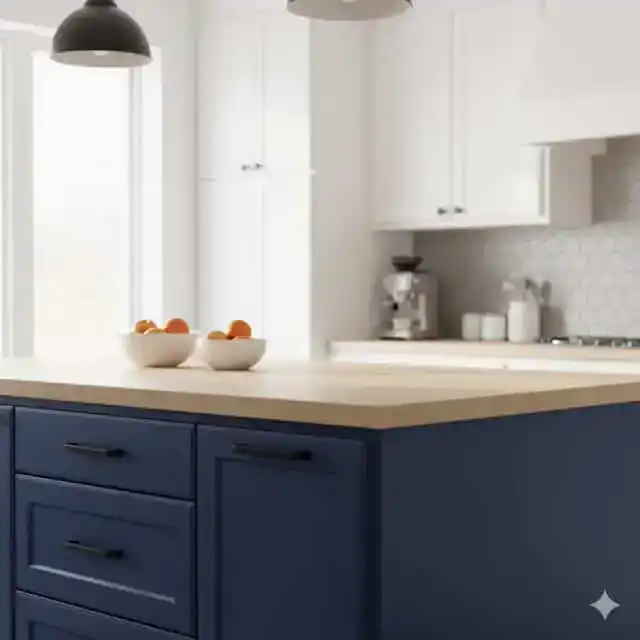
What tends to surprise people is how these tiny tweaks stack up. You paint the lower cabinets a deep navy, pop on brass pulls from Amazon, throw in a warm under-cabinet LED strip so you’re not chopping onions in the dark, and suddenly your kitchen looks like something off Pinterest, even if the appliances are from 2012. One client simply changed faucet, hardware and lighting for under $300 and guests kept asking if they’d replaced the cabinets. That’s the game: you target the spots your eyes hit first – cabinet fronts, backsplash, lighting, textiles – and let the boring stuff quietly fade into the background.
What Can You Refresh? Breaking Down Options
Some kitchens need a total gut job, but yours probably just needs a few high-impact tweaks that carry most of the visual weight. You can paint tired cabinets, swap out dated hardware, refresh counters with a new surface or even a solid DIY coating, and punch things up with a bold backsplash. Lighting, faucets, and open shelving also pull more attention than you’d think, so hitting 3 or 4 of these spots can make it feel like a whole new room without the full-reno price tag.
More Read

Cabinets Need Love Too
Outdated doors with good bones are basically a gold mine in disguise, because you can repaint, reface, or just change the hardware and suddenly it feels custom. You might sand lightly, use a good bonding primer, then go with a satin or semi-gloss paint so they’re easier to wipe down. Swapping knobs and pulls can cost under $100 for a small kitchen and still feel shockingly different. If doors are really shot, you keep the boxes and replace only the fronts to save hundreds.
Countertops – Are They Ready for a Change?
Sometimes your counters are what’s actually dating the whole space, not the layout or the cabinets at all. You’ve got options at almost every price point: laminate starts around $15 per square foot installed, butcher block can sit in the $40 range, and entry-level quartz often lands around $60-$70. For a smaller kitchen, that adds up way faster (and cheaper) than people expect. And if you’re really tight on budget, epoxy or counter painting kits under $200 can buy you a solid 3-5 years of decent-looking surface.
Because counters cover so much visual real estate, even a mid-range change can feel like a full-on renovation, especially if you pair it with new lighting. You might go with light quartz or a pale laminate to bounce more light around a dark galley kitchen, or flip it and choose a dark concrete-look surface so your white cabinets pop. I’ve seen small 40-square-foot kitchens jump in resale value by several thousand dollars just from swapping orange speckled laminate for a clean white top. If you cook a lot, it’s worth thinking about practicality too – butcher block needs oiling every month or so at first, quartz laughs at spaghetti sauce and wine, and modern laminates hold up way better to daily abuse than the stuff from the 90s.
DIY or Hire Someone? What’s the Deal?
You can save hundreds, sometimes thousands, if you pick the right balance between DIY sweat and pro help. For smaller projects, you might follow guides like Affordable Kitchen Makeover Ideas DIY: Transforming Your … and knock out a weekend backsplash or paint job yourself. Bigger stuff like rewiring, gas work, or moving plumbing usually needs licensed experts, permits, and inspections, so mixing both approaches often gives you the best return on your time and money.
The Pros and Cons of Going Solo
Going all-in on DIY can feel amazing, but it comes with trade-offs you really want to be honest about. You might shave 30-50% off project costs, yet a single wrong cut on a $300 countertop or mis-measured cabinet can wipe that saving out in seconds. So you weigh time, tools, and skill against that satisfaction of saying, yep, I did this with my own two hands.
| Pros | Cons |
|---|---|
| Lower labor costs so your budget stretches further | Projects often take 2-3 times longer than planned |
| Full control over finishes, schedule, and tiny details | Quality can suffer if you’re learning as you go |
| Chance to learn new skills you can reuse in future rooms | Tool purchases or rentals quietly add up fast |
| Satisfying before-and-after you can genuinely own | Mistakes on cabinets, tiles, or counters can be expensive |
| Easy to phase work in small weekend-friendly chunks | Physical strain and mess in your living space for weeks |
| Flexible to tweak ideas mid-project without change orders | Some work might not meet code, affecting resale or insurance |
When to Call in the Experts
Bringing in pros at the right moments protects both your wallet and your sanity. Any job touching electrical panels, gas lines, structural walls, or major plumbing runs typically needs licensed trades, permits, and inspections, and skipping that can cost you 10x more if something leaks or fails later. You might handle cosmetic stuff like paint, hardware, and peel-and-stick tiles, then hire a contractor for countertop installs, custom fitting cabinets, or moving a sink across the room.
On bigger projects, a solid contractor can coordinate sub-trades, keep you on a realistic timeline, and flag issues behind the walls that you’d never spot until it’s too late. You still stay in control of finishes, budget caps, and layout decisions, but you lean on their experience with things like load-bearing walls, code clearances around stoves, and venting requirements. That way your kitchen not only looks good in photos, it actually functions safely every single day.
My Take on Budgeting for Your Project
Smart kitchen makeovers start with a number, not a paint swatch. You set a total budget first (say $800 or $3,000), then reverse-engineer every choice from there – paint, hardware, lighting, even that cute rug. When you treat your budget like a game with fixed rules, you stop impulse-buying and start prioritizing impact: cabinet fronts, counters, backsplash, in that order. And once you park 10-15% aside for surprises, you suddenly feel way more confident pulling the trigger on everything else.
Setting Realistic Expectations
You get a lot further when you admit what your budget can and can’t do right now. With $300, you’re in paint, hardware, lighting, and organization territory, not new cabinets. With $1,500, you might add butcher-block counters, a new faucet, and updated appliances on Facebook Marketplace. By matching your wish list to real numbers instead of fantasy ones, you avoid that frustrated “half-finished reno” energy that drags on for months.
Finding Deals and Discounts
You stretch your budget like crazy when you treat every item like it has a cheaper twin somewhere else. Clearance aisles, open-box appliances, and scratch-and-dent sections can cut prices by 30-60% without sacrificing quality. Stack store sales with rebate apps, coupon extensions, and holiday promos, and suddenly that $600 faucet drops to $320. And if you stalk Facebook Marketplace or local buy-sell groups, you can score barely-used sinks, islands, even full cabinet sets for pennies on the dollar.
What really moves the needle is combining timing with patience. You hit big-box stores right after major holidays when they quietly mark down seasonal lighting, bar stools, and rugs, then you watch outlet centers for discontinued cabinet pulls and sinks that are 40-70% off. I’ve seen people grab a $1,200 range hood for $250 just because it had a tiny dent on the side no one sees. When you treat deal hunting like part of the project – not an afterthought – you free up cash for nicer finishes where it actually counts, like a better faucet or statement backsplash tile.
What’s Your Style? Picking the Right Look
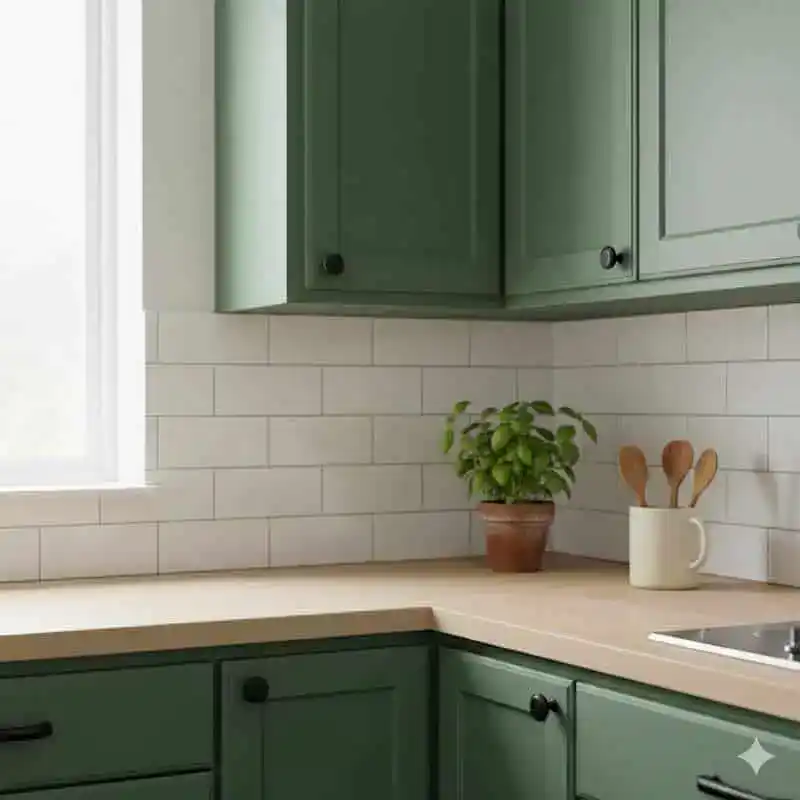
You don’t actually need a perfectly defined “style” to nail your kitchen vibe, you just need a clear yes/no reaction to what you see. Scroll decor feeds, save 10 photos you love, then spot patterns: are you drawn to clean slab doors, warm wood, or vintage hardware? You can even mix influences, like classic shaker cabinets with modern pulls, then use ideas from DIY Kitchen Enhancement – Budget-Friendly Ideas for a … to make it all happen without splurging.
Classic vs. Modern – What Feels Right?
You might be surprised that classic and modern kitchens share a lot of the same bones, it’s usually the details doing all the talking. Classic leans on shaker doors, warm whites, and brushed brass, while modern goes for flat fronts, sharp lines, and black or stainless hardware. Try this: tape printed photos of both looks right on your cabinets and walk by for a week, then commit to the one that still makes you smile on a random Tuesday night.
Color Schemes That Actually Work
You’ll get way more peace of mind from a simple 3-color formula than from staring at a paint wall of 200 swatches. Pick a main color (usually cabinets or walls), a secondary color (backsplash or counters), and an accent (hardware, stools, or rug), then keep it at that. Soft white cabinets with a greige wall and matte black pulls, for example, instantly feels pulled together without costing more.
What really helps is testing your colors where you actually cook, not under store lighting that lies to you every time. Paint 2-foot swatches on the wall by the window and over the stove, then check them morning, afternoon, and at 9 p.m. under your regular bulbs. You’ll often find that the bright white you loved looks icy at night, while a slightly creamier shade (with an LRV around 80) feels calmer and more expensive. Pair that with a warmer wood tone and one bold accent, like deep navy on the island or burnt orange bar stools, and suddenly the whole kitchen looks like you hired a designer, even if you just spent 60 bucks on paint and samples.
The Real Deal About Finishing Touches
Your kitchen can look 80% done and still feel a bit… flat, and that last 20% is where the magic happens. When you tweak small details like hardware, textiles, art, and a few well-placed accessories, you suddenly get that pulled-together, “finished” vibe. You’re not chasing perfection here, you’re aiming for a space that feels intentional, cozy, and actually lived in, without tossing your budget out the window.
Hardware and Accessories – Don’t Overlook These!
A client once swapped 22 cabinet handles for $65 and swore it looked like a full kitchen remodel. When you trade dated brass knobs for matte black bars or warm brushed nickel pulls, your cabinets instantly feel newer. Then you layer in a few real plants, a good-looking soap dispenser, maybe a $20 framed print, and suddenly your counters don’t feel random anymore. Tiny details, low spend, big visual payoff.
Lighting That Transforms the Space
One renter I worked with popped in 3 simple under-cabinet LED strips for under $40 and the whole kitchen felt like a different apartment. When you mix task lighting (under-cabinet), ambient lighting (ceiling), and a couple of warm accent bulbs over the island or table, your finishes look richer and your counters somehow look cleaner. Swapping harsh 5000K bulbs for softer 2700K-3000K ones alone can change the mood in under ten minutes.
In your own space, start by asking where you squint or where shadows bug you the most, because that’s exactly where a stick-on LED strip or a plug-in sconce earns its keep. A single flush-mount ceiling light might be giving you that “doctor’s office” vibe, so adding a pair of pendant lights over the island or a slim lamp on a side counter spreads light more evenly and feels way more inviting. You can even put cheap smart bulbs in existing fixtures so you tweak brightness and color temperature from your phone – dim for late-night tea, brighter for meal prep. Over time, you’ll notice something funny: your paint color, backsplash, and even your budget countertops all look more high-end when the lighting is layered and warm instead of flat and glaring.
To wrap up
As a reminder, with everyone jumping on the budget-makeover trend on TikTok and Insta, you’ve got more ideas than ever to give your kitchen a fresh look without emptying your wallet. You focus on smart swaps – paint, hardware, lighting, a few styling tweaks – and suddenly your space feels way more pulled together.
Because when you layer small, affordable upgrades, they add up fast to a kitchen you’re actually excited to cook in. And that’s the whole point here – you’re not just saving money, you’re building a space that fits your life and your style, on your terms.
FAQ
Q: What’s the cheapest way to make my kitchen feel completely different without a full remodel?
A: Swapping out small details can hit harder than ripping out cabinets, and it’s way kinder to your wallet. Start with cabinet hardware – new handles and knobs in black, brass, or brushed nickel instantly make old doors feel current, even if the finish is a bit dated.
Next, focus on lighting. A new pendant over the island, under-cabinet LED strips, or a brighter, warmer bulb can shift the whole vibe without touching the layout. If you’re really on a tight budget, peel-and-stick options like backsplash tiles or countertop covers give you that “whoa, is this the same kitchen?” moment for way less money and zero contractors.
Q: How can I refresh outdated cabinets without replacing them completely?
A: Old cabinets with good bones are basically a goldmine if you’re willing to put in some elbow grease. A deep clean with a degreaser, light sanding, and a couple coats of quality paint can transform them, especially if you go with classic colors like white, warm greige, or soft green for a cozy feel.
Swapping out just the doors is another sneaky trick – shaker-style doors on an old box frame look custom but cost a fraction of new cabinetry. You can also remove a few doors to create open shelving, style those shelves with everyday dishes and a few plants, then add soft-close hinges and fresh hardware so the whole setup feels way more high-end than it actually is.
Q: What budget-friendly updates make the biggest impact if I can only change a few things?
A: If you’re picking just a couple of projects, go for the ones your eyes land on first: walls, backsplash, and counters. A quick paint job in a lighter, warmer color instantly makes the room feel bigger and less gloomy, especially if your kitchen leans small or windowless.
Peel-and-stick backsplash tiles and contact-paper-style countertop covers are surprisingly convincing these days, and they’re perfect if you’re renting or just not ready for a permanent change. Then add a few styling touches – a cute rug in front of the sink, matching jars for coffee and sugar, a cutting board propped against the backsplash – small moves, but together they make the whole space feel intentionally styled, not just “it came this way.”