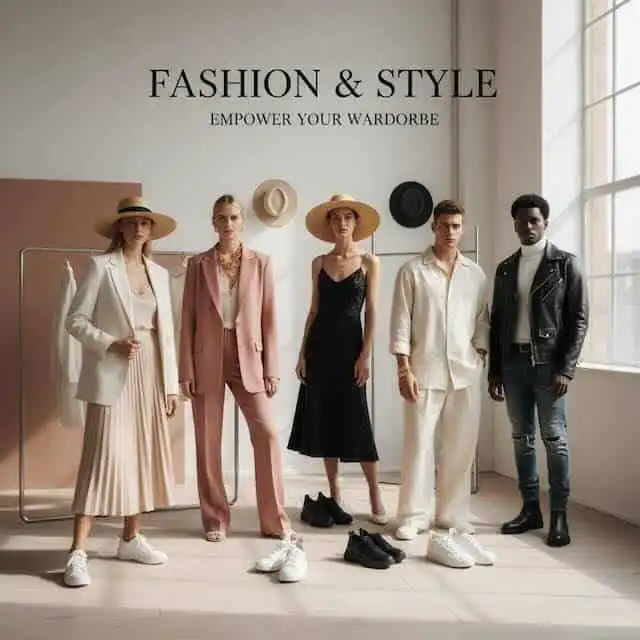


Over time, your wardrobe becomes a tool for communicating who you are now; by selecting pieces that reflect your priorities, you can project authenticity, confidence, and professional intent while avoiding the pitfall of dressing to someone else’s expectations. Use fit, color, and consistent signatures to shape perception, test choices in small steps, and let your style evolve as your roles and values change.
Key Takeaways:
- Fashion reflects current identity—choose pieces that align with your mood, values, and lifestyle.
- Mix signature items with trends to express individuality while staying adaptable.
- Comfort and confidence matter as much as appearance; how you feel wearing something defines its impact.

The Importance of Personal Style
Understanding Your Identity
Map your style to lived choices by auditing 10 recent outfits and noting recurring elements: silhouette, color palette, and materials. A 2012 “enclothed cognition” study found clothing affects cognitive performance, so the pieces you pick influence how you feel and act. Identify 2–3 signature items—a jacket, accessory, or shoe style—that reliably communicate your current self.
The Role of Fashion in Self-Expression
Fashion acts as a visible language that conveys authority, creativity, or belonging; think David Bowie’s Ziggy Stardust persona or Ruth Bader Ginsburg’s collars, both of which reshaped public perception. Use garments intentionally to build your personal brand, pairing one statement piece with functional staples so the signals you send match the image you want to project.
Concrete actions speed the process: keep a 30-day photo log to spot patterns, limit your core palette to 2–3 colors, and invest in three quality pieces that elevate everyday outfits. Avoid chasing every trend—doing so can be dangerous to coherence—because aligning choices with context (work, social, leisure) boosts authenticity and confidence.
Curating Your Wardrobe
You can audit your closet every 6–12 months: keep the 20–30 versatile pieces you wear most and release items worn once a year. Organize by purpose—work, weekend, events—and photograph outfits for quick decisions. Repair or donate garments to lower waste; the fashion industry generates roughly 92 million tonnes of textile waste per year, so mending and mindful buying are positive actions.
Key Pieces for Every Style
You should build a base of 20–30 versatile items: a tailored blazer, crisp white shirt, dark-wash jeans, neutral knit, trench or wool coat, comfortable sneakers, classic leather loafers, and a go-to dress. You can aim for 5–7 core pieces plus 10–15 rotating items; spending under $50 on alterations often transforms off-the-rack clothes into signature favorites.
More Read

The Impact of Color and Fabric
You can use the 60/30/10 color rule—60% neutrals, 30% secondary tones, 10% accents—to communicate mood while staying cohesive. Fabric choices shape silhouette and seasonality: cotton and linen breathe, merino wool insulates, and silk provides elegant drape. Let color set intent and fabric deliver comfort and longevity.
You’ll match colors to your undertone: cool complexions favor sapphire, emerald, and charcoal; warm ones glow in mustard, terracotta, and olive—so a navy blazer or camel coat becomes a reliable anchor. Favor Tencel/lyocell and organic cotton for a softer touch and lower environmental impact; limit polyester-heavy pieces, which shed microfibers and contribute to pollution—a dangerous sustainability issue. Merino’s breathability and odor resistance make it ideal for travel and layering.

Dressing for Different Moods
You can shift mood through texture, color, and silhouette: choose silk or satin to feel elegant, cotton knits for comfort, or a sharp blazer for focus. Studies show first impressions form in as little as 7 seconds, so a single accessory—like a bold watch or patterned scarf—can recalibrate how you feel and how others read you. Keep a curated set of 3 go-to mood pieces (one cozy, one confident, and one playful) to swap quickly between days.
Outfits for Confidence
A tailored blazer, high-waist trousers, and polished shoes create instant authority; choose navy or charcoal for versatility and red for assertive moments. Prioritize fit over brand: a minor alteration (hem or taper) often yields the biggest confidence return. For a low-effort boost, pair structured outerwear with a crisp white shirt and one statement item—leather loafers or a minimal belt—to convey competence in meetings or interviews.
Casual vs. Formal Attire
Casual relies on relaxed fits, natural fabrics, and sneakers or loafers; formal favors structured cuts, wool blends, and oxfords or heels. Bridge the gap with proportions: slim jeans plus a blazer read smart-casual, while a dress with tailored outerwear moves toward formal. Avoid mismatched formality—arriving underdressed or overdressed changes others’ expectations and can undermine your goals.
To navigate dress codes, build a 10-piece capsule: three neutral bottoms, three tops, two structured layers, and two versatile shoes. For example, raw denim + white tee + navy blazer + Chelsea boots covers most smart-casual needs; swap the tee for a shirt and boots for oxfords to hit formal. Use one accent color to maintain cohesion and reduce decision fatigue while keeping looks intentional.
Adapting Style to Lifestyle Changes
Transitioning Between Life Stages
As you move from student life to a corporate role, swap graphic tees for three blazers, five button-downs, and two pairs of tailored trousers; for new parents, prioritize stretch denim, easy closures, and stain-resistant fabrics. Over a 3–6 month transition audit, build a 30-piece capsule and list 8–12 items to sell or donate. Avoid clinging to outdated silhouettes—avoid impulse trend buys that mask misfit pieces—and focus on fit and function to feel aligned with your daily routines.
Embracing Change in Fashion
Follow designers, street style, and runway reports to spot rising shifts, then test one to three trends per season—like utility vests or padded shoulders—against your core wardrobe. Allocate roughly 30% of your annual clothing budget to classic investments, 40% to everyday vitals, and 30% to experimental pieces. Mix high and low: pair a designer coat with thrifted basics, and avoid overspending on fleeting trends by limiting purchases to pieces you can wear at least 10 times.
Consider a small experiment: sell 10–15 items on resale platforms like The RealReal or Depop and reallocate proceeds to two tailored investment pieces—e.g., a wool coat ($300–$900) and bespoke trousers ($150–$400). Track cost-per-wear to see ROI: pieces worn 50+ times drop cost per wear below $6. This method reduces clutter, funds quality items, and helps you pivot style while keeping a sustainable, economically smart approach; prioritize fit and longevity over seasonal novelty.

Influences of Social Media on Personal Style
Algorithms and creators shape what you consider stylish: TikTok’s short videos and Instagram reels push micro-trends that can peak within weeks, while Pinterest’s visual boards (450+ million users) sustain longer aesthetic movements. You encounter repeated motifs—colors, silhouettes, hashtags—that reinforce certain looks, creating both rapid trend cycles and echo chambers that can narrow your choices if you don’t actively diversify your feed.
Finding Inspiration Online
You can mine endless sources: save Instagram reels, follow niche hashtags, browse Pinterest boards, or subscribe to 10–20 micro-influencers (10k–100k followers) who experiment more than macro-celebrities. Try creating a private mood board to track recurring elements—textures, colorways, garment shapes—and use that to translate viral ideas into looks that fit your lifestyle and body, turning fleeting posts into actionable style cues.
Balancing Trends with Personal Taste
Adopt a one-or-two-rule: integrate no more than one bold trend piece per outfit with two established staples to keep your voice consistent. Consider longevity and cost-per-wear—spend on timeless fits, source trend items from thrift or low-cost brands, and avoid impulse purchases driven by viral momentum to sidestep fast-fashion waste and buyer’s remorse.
Set a seasonal budget cap—aim for no more than 10–20% of your wardrobe spend on short-lived micro-trends—and test new styles as accessories first (hats, belts, jewelry) before committing to statement garments. Alter or tailor trend pieces to improve fit, rotate them with classics, and document outfits for 30 days to judge true compatibility; that data-driven routine prevents chasing every viral moment and preserves your signature look.
Sustainable Fashion Choices
The Importance of Conscious Consumerism
Your purchasing decisions force brands to change: the fashion industry accounts for about 10% of global carbon emissions, generates roughly 92 million tonnes of textile waste annually, and less than 1% of clothing is recycled into new garments. Choosing secondhand, slow-fashion labels, or certified fibers sends clear demand signals that reduce overproduction and pollution and lets you align your daily looks with measurable environmental impact.
Building a Timeless, Eco-Friendly Wardrobe
Aim for a curated core of 20–40 versatile pieces that mix and match across seasons; prioritize durable fibers like organic cotton, Tencel, hemp, and certified recycled polyester. Seek out certifications such as GOTS, Fair Trade, OEKO-TEX, and Bluesign; favor brands with transparent supply chains; and opt for neutral palettes and classic cuts to maximize outfit combinations and reduce impulse buys.
Buy pre-loved on platforms like Depop, The RealReal, or local vintage shops, and use repair services—Patagonia’s Worn Wear is a model for extending product life—to mend seams, replace zippers, or tailor fits. Swap wardrobes with friends, rent statement pieces for events, and track cost-per-wear: a $150 coat you wear 150 times equals $1 per wear, a simple metric that makes sustainable choices financially sensible and stylistically liberating.
Final Words
Upon reflecting on how style functions as self-expression, you see that dressing for who you are today is an active statement: your choices communicate mood, values, and intentions, and they can be adjusted as you evolve. Trust your instincts, prioritize comfort and coherence, and use clothing as a purposeful tool to shape how you move through the world with clarity and confidence.
FAQ
Q: How do I discover my personal style so it reflects who I am today?
A: Start with a gentle audit: photograph outfits you love and note what about each piece feels right—the cut, color, texture, or the way it makes you move. Create a short mood board (digital or physical) with images that match your current tastes and life rhythms. Identify three to five consistent elements (silhouettes, color palette, signature accessory) and build outfits around those anchors. Experiment in small, low-stakes ways: swap one item in an outfit, test a new accessory, or wear a bold color for a day. Track how each choice affects your comfort and confidence, then refine. Let practicality (work, weather, activities) guide edits so style serves daily life as well as self-expression.
Q: How can I dress authentically when my identity or life role is changing?
A: Accept that style is fluid and use layering and accessories to bridge transitions. Choose versatile base pieces (blazers, neutral trousers, simple dresses) that can be styled to feel more familiar or more adventurous depending on the occasion. Use small, meaningful additions—jewelry, scarves, shoes, a jacket—to signal shifts in mood or role without overhauling your whole wardrobe at once. Tailoring helps clothes fit the person you are now, and mixing a trusted favorite with one new item softens the change. For major shifts (new job, parenthood, relocating), create a short trial capsule for that season and evaluate what supports your comfort and identity before investing more.
Q: How do I build a wardrobe that reflects who I am today without overspending?
A: Define a compact color and silhouette palette so new purchases mix easily with what you already own. Prioritize a handful of versatile, well-fitting staples you’ll wear often and supplement with lower-cost trend items or accessories to vary looks. Use secondhand shopping, clothing swaps, and seasonal sales to test new directions affordably. Invest in tailoring and good care (proper washing, repairing, and storage) to extend lifespan. Plan purchases around outfit formulas you actually wear—write down three go-to outfits and buy pieces that complete those formulas rather than filling your closet indiscriminately. Periodically review your wardrobe: sell or donate items that no longer reflect your current style to create budget and space for pieces that do.