

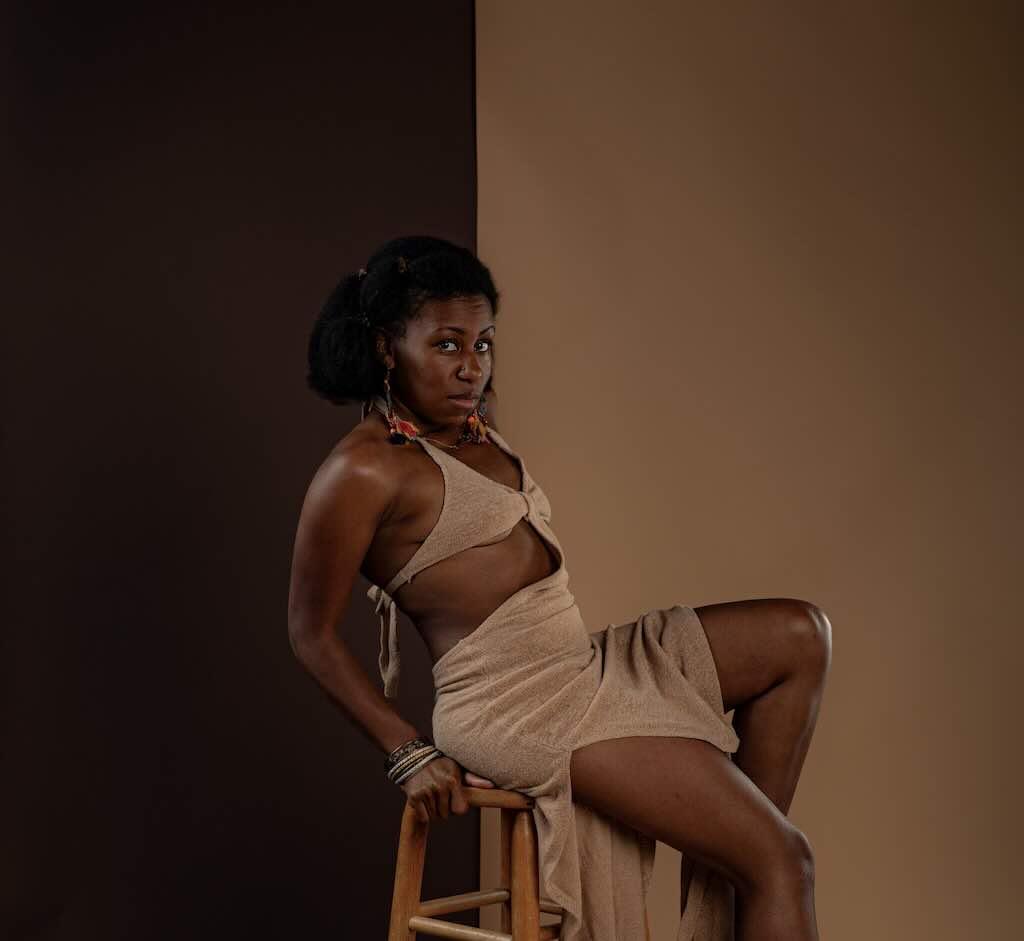

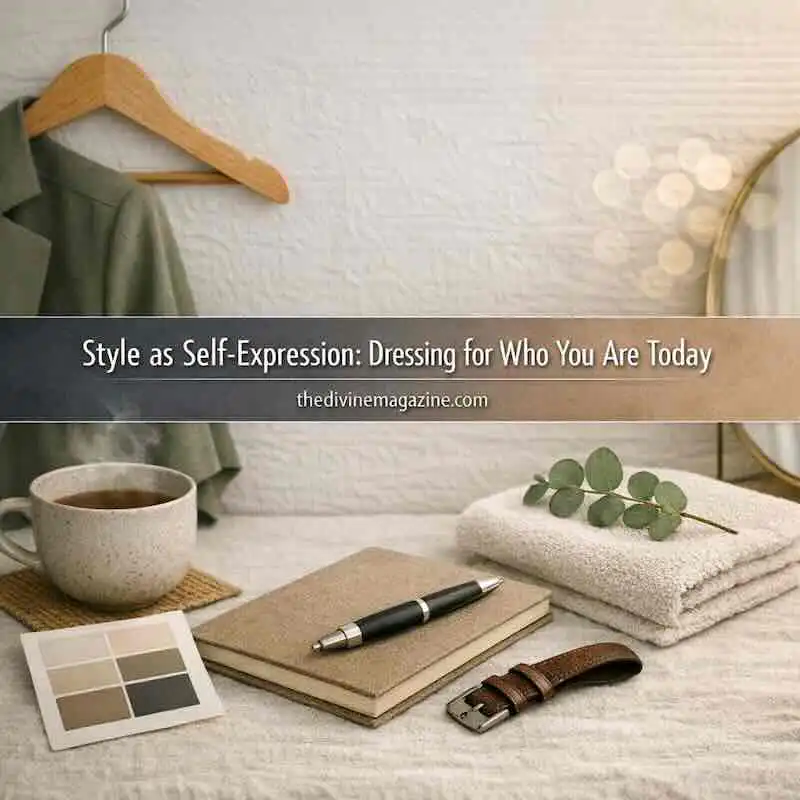
Over time, your wardrobe becomes a tool for communicating who you are now; by selecting pieces that reflect your priorities, you can project authenticity, confidence, and professional intent while avoiding the pitfall of dressing to someone else’s expectations. Use fit, color, and consistent signatures to shape perception, test choices in small steps, and let your style evolve as your roles and values change.
Key Takeaways:
- Fashion reflects current identity—choose pieces that align with your mood, values, and lifestyle.
- Mix signature items with trends to express individuality while staying adaptable.
- Comfort and confidence matter as much as appearance; how you feel wearing something defines its impact.
The Science of “Enclothed Cognition”
In 2026, fashion is increasingly viewed through the lens of psychology. Enclothed Cognition is the technical term for how the symbolic meaning of your clothes triggers specific mental processes. For example, wearing a structured blazer doesn’t just make you look professional; it actually increases your abstract thinking and physiological alertness. According to research cited by the American Psychological Association, when you wear clothes that you associate with power or creativity, your brain adopts those traits. This makes your morning wardrobe choice a vital “mental warm-up” for the day’s challenges.
The Importance of Personal Style
Understanding Your Identity
Map your style to lived choices by auditing 10 recent outfits and noting recurring elements: silhouette, color palette, and materials. Identify 2–3 signature items—a jacket, accessory, or shoe style—that reliably communicate your current self.
2026 Trend: Defining Your Style Archetype
The latest shift in personal branding involves identifying a “Style Archetype.” Rather than following fleeting TikTok aesthetics, modern style enthusiasts use AI-driven tools to categorize their preferences into archetypes like The Minimalist Architect, The Earthy Academic, or The Modern Rebel. By defining your archetype, you create a North Star for your shopping habits, reducing impulse buys by 30% and ensuring every new piece fits your core narrative. Resources like Vogue’s Style Reviews often highlight how these archetypes help celebrities maintain a consistent public image across various life stages.
Curating Your Wardrobe
You can audit your closet every 6–12 months: keep the 20–30 versatile pieces you wear most and release items worn once a year. Organize by purpose—work, weekend, events—and photograph outfits for quick decisions. Repair or donate garments to lower waste; the fashion industry generates roughly 92 million tonnes of textile waste per year, so mending and mindful buying are positive actions.
The Impact of Color and Fabric
You can use the 60/30/10 color rule—60% neutrals, 30% secondary tones, 10% accents—to communicate mood while staying cohesive. Fabric choices shape silhouette and seasonality. Favor Tencel/lyocell and organic cotton for a softer touch and lower environmental impact. For deeper insights into sustainable textiles, the Textile Exchange provides comprehensive guides on how fibers affect both your skin and the planet.

Conclusion
Building a wardrobe that reflects who you are in 2026 is no longer about keeping up with the “Joneses” or the latest viral reel; it is an act of self-care and strategic communication. By understanding the psychological impact of your clothing and curating a collection that prioritizes fit, fabric, and personal archetypes, you transform getting dressed from a chore into a superpower. Whether you are transitioning life stages or simply refining your daily look, remember that authenticity is the ultimate trend. When your external image aligns perfectly with your internal values, you move through the world with an unshakeable sense of clarity and confidence. Your style is a living document—let it grow as you do.
FAQ
Q: How do I discover my personal style so it reflects who I am today?
A: Start with a “Three Word Method.” Look at your favorite outfits and pick three adjectives that describe them (e.g., “Oversized, Neutral, Edgy”). Use these words as a filter for every future purchase to ensure consistency.
Q: What are the best fabrics for a sustainable, high-quality wardrobe?
A: Focus on natural and semi-synthetic fibers. Organic cotton, linen, hemp, and merino wool are durable and biodegradable. Tencel (Lyocell) is a great eco-friendly alternative to silk or polyester, offering a beautiful drape with a much lower environmental footprint.
Q: How can I make my clothes look more expensive without spending more?
A: Tailoring is the secret. Even a budget-friendly blazer looks high-end if the sleeves are the correct length and the waist is nipped in. Additionally, swapping plastic buttons for metal or bone ones can instantly elevate a garment’s appearance.
Q: How often should I perform a wardrobe audit?
A: A seasonal audit (every 6 months) is ideal. It allows you to store off-season clothes, identify gaps in your wardrobe, and assess if your current pieces still align with your lifestyle and career goals.