
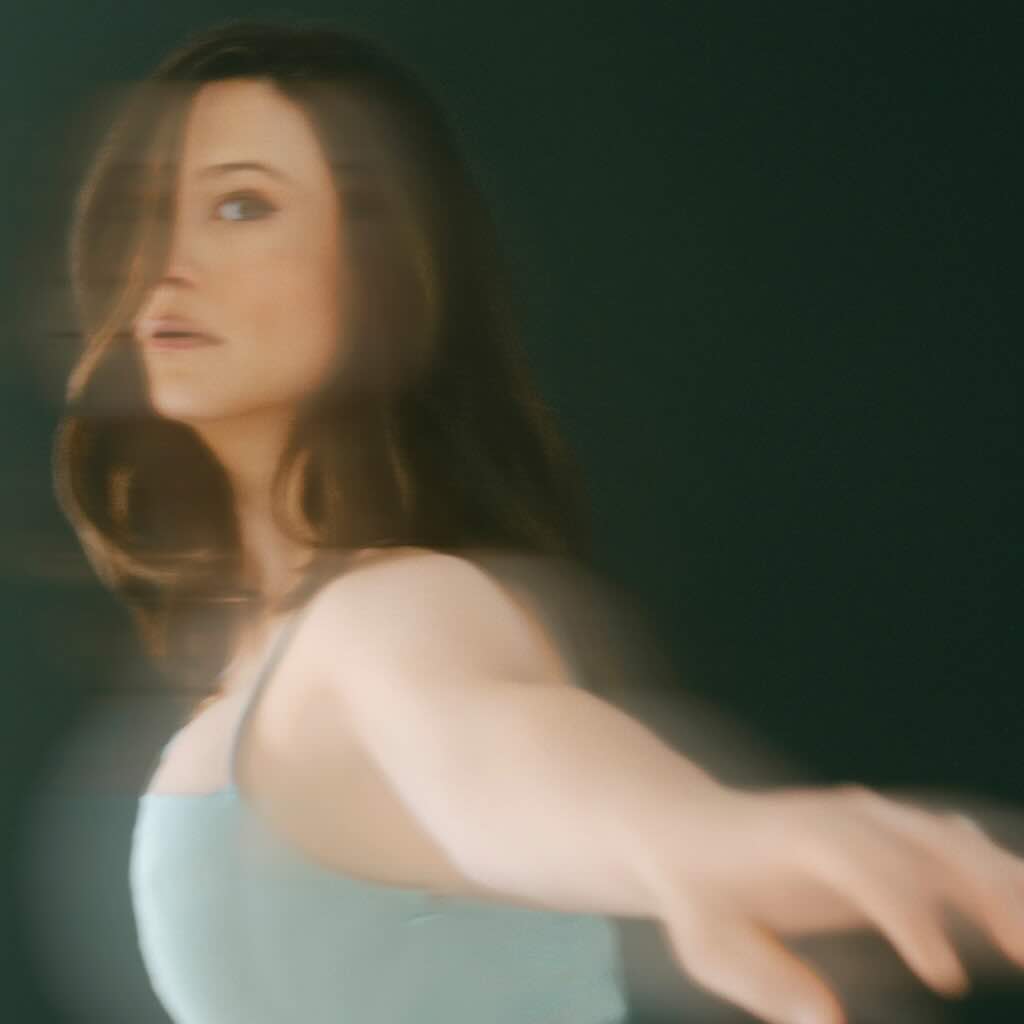
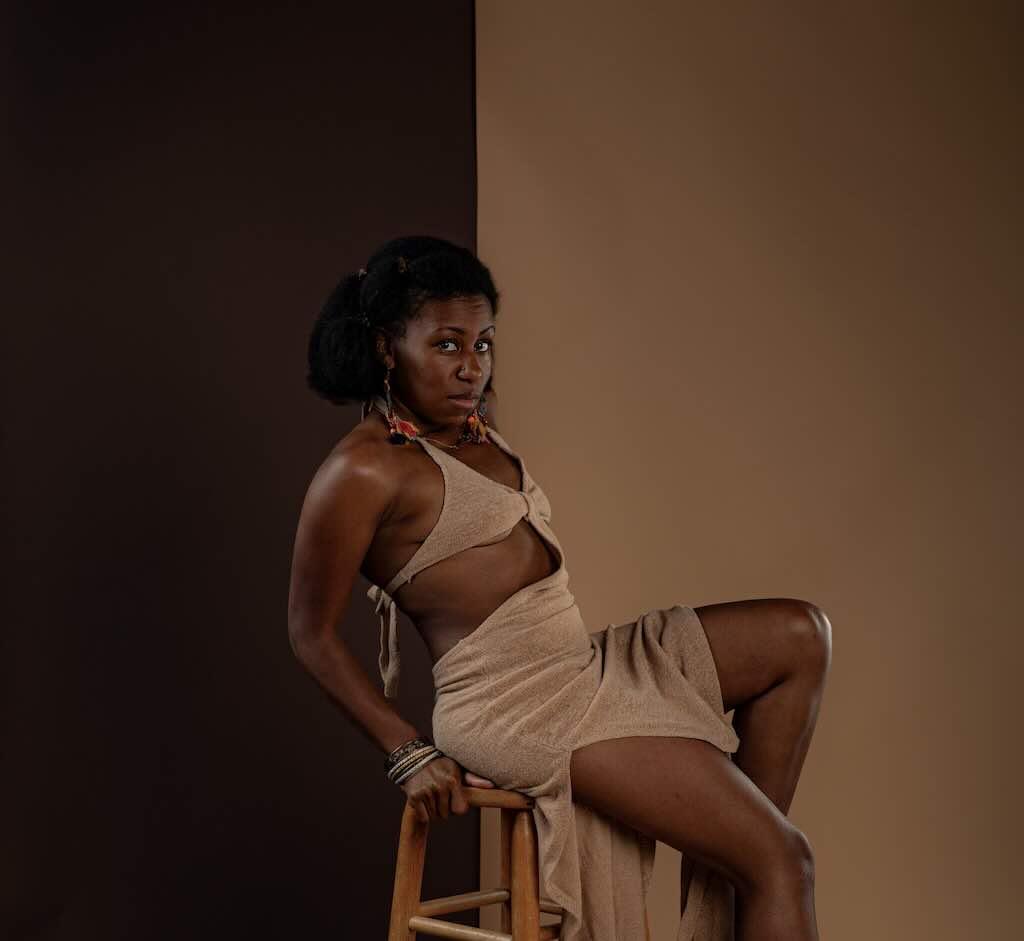

“Contemporary” gets stamped on every new collection launch — but in 2026, the word has actually earned its meaning back. Contemporary fashion is style that lives fully in the present while still carrying the weight of decades of design behind it: silhouettes, materials, ideas that evolved rather than appeared overnight.
What Contemporary Fashion Actually Means
At its foundation, contemporary fashion blends modern trends with timeless principles — sustainability, digital craftsmanship, comfort. Qualities that elevate both the artistry and the lifespan of a piece. Fear of God Essentials is the reference point here: minimalist silhouettes and premium materials that outlast the season they launched in.
Individuality matters just as much as construction. Details like custom PVC patches let a wearer personalize a garment without undercutting its durability. Quality materials, thoughtful build, and ethical production — the kind championed by Fashion Revolution — remain the category’s real backbone.
Designers Shaping the Movement
Alexander Wang, Phillip Lim, Nicolas Ghesquière, and Jonathan Anderson remain the reference names — each redefining modern style through a mix of innovation and restraint. Wang’s early Balenciaga years and Anderson’s run at Loewe both show the same throughline: contemporary design merges luxury with genuine accessibility.
The next wave is arriving from elsewhere — Vogue Business’s spotlighted talents and independent creators using AI-assisted patternmaking and digital tailoring. Contemporary fashion, increasingly, is as much a technology story as a design one.
Past, Present, and What’s Next
Contemporary fashion bridges eras by design — vintage influence, modern tailoring, sustainable material, all in the same garment. Whether the reference point is the ’60s, ’80s, or ’90s, the goal stays constant: pieces that hold up year after year rather than one season. In 2026, that bridge extends into the digital — virtual garments and AR try-ons are changing how style gets experienced before it’s even purchased.
Price climbs when sustainability and craftsmanship both factor in, but the category isn’t inherently expensive. ThredUp and Depop make the same aesthetic reachable through resale and upcycling.
Major Contemporary Trends in 2026
With the foundation in place, here’s where the category is actually moving this year.
Shoes
Sneakers stay the anchor of contemporary style — a staple every man should own, and one women wear just as easily. The resale market keeps thriving on limited releases and sustainable materials, while niche footwear labels push heels, boots, and minimalist forms in the same direction. Allbirds and VEJA are worth watching on the eco-conscious end.
Leather
Leather remains a strong contemporary statement, but sustainability has rewritten the terms. Vegan leather and plant-based alternatives are mainstream now, led by houses like Stella McCartney. Personalization runs alongside it — custom PVC patches and embroidery turning a standard piece into something specific.
Comfort
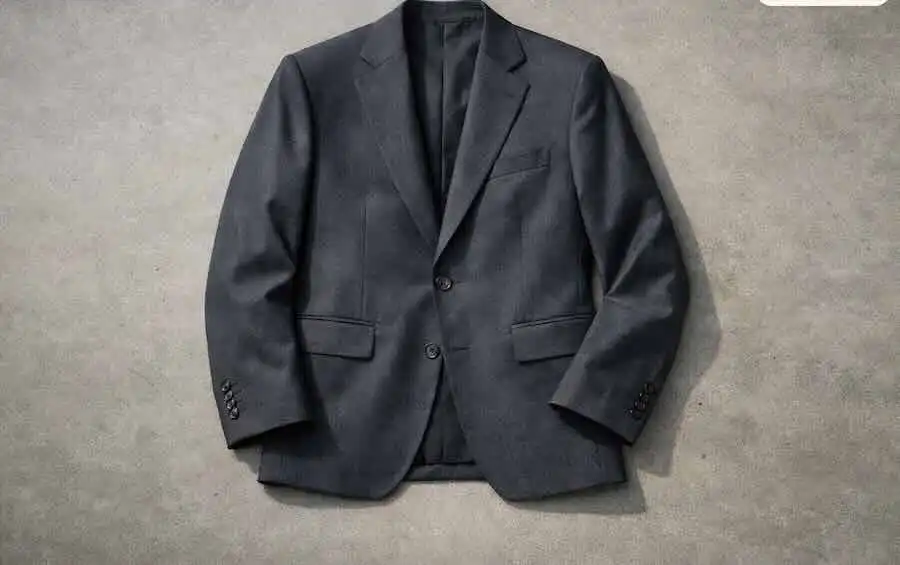
Comfort is still the defining thread. Workwear and streetwear have fully merged into looks that read polished without sacrificing ease, and even office dress codes have loosened to match. A tailored jacket over an oversized hoodie and denim is the shorthand for the whole trend — a custom patch adds personality without adding effort.
Conclusion
Contemporary fashion in 2026 comes down to authenticity over noise — quality over quantity, individuality over conformity, longevity over trend cycles. Whether the approach is investing in a handful of lasting pieces or experimenting in the digital space, the category rewards the same instinct: build a wardrobe that reflects who you are now, not just what’s current.
FAQ
What defines contemporary fashion in 2026?
A blend of timeless design and modern innovation — sustainability, digital craftsmanship, and individuality built into pieces meant to feel current without going out of date.
Is contemporary fashion the same as luxury fashion?
Not quite. Both prioritize quality, but contemporary fashion leans toward accessibility and wearability, while luxury fashion leans on exclusivity and heritage.
How can I style contemporary outfits affordably?
Mix high-quality basics with thrifted or upcycled finds. ThredUp and Depop both make the aesthetic reachable without the price tag.
What materials are trending in contemporary fashion?
Organic cotton, recycled polyester, vegan leather, and digitally printed fabrics — all reducing waste while holding up to daily wear.
Is digital fashion part of contemporary style?
Yes. Virtual garments, AR try-ons, and digital tailoring are changing how people experiment with style before committing to it physically.