



Finding the right sportswear was never just a matter of style. It’s a matter of health and performance too — the kind of decision that quietly shapes how a workout actually feels.
The interplay between the fit and comfort of athletic apparel and what a body can actually do shapes sporting outcomes more than most people realize. Choosing pieces that move with the body, support the muscles, and manage moisture properly makes a genuinely remarkable difference. Here’s a closer look at the multifaceted role sportswear plays in athletic performance — and how the right gear can elevate the whole experience.
Understanding the Relationship Between Sportswear Fit and Athletic Performance
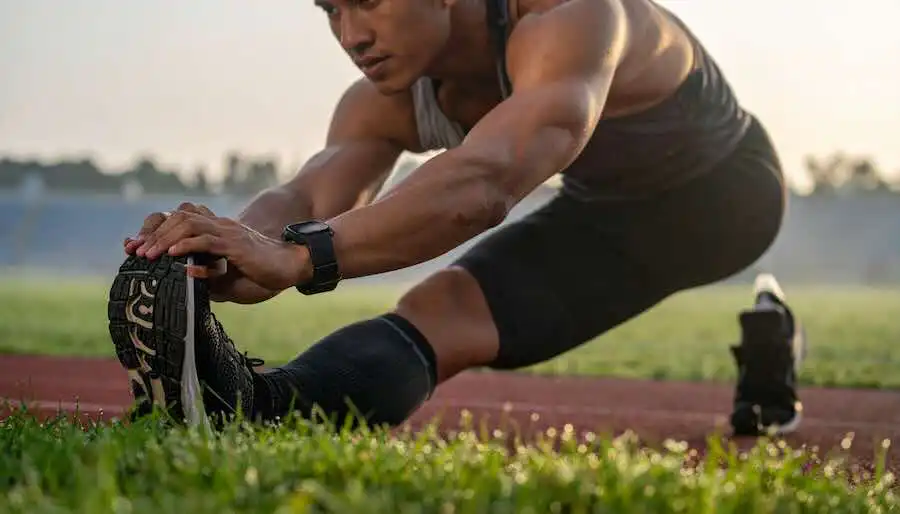
A perfect fit matters more in sportswear than almost any other category of clothing. Tight-fitting gear causes real discomfort and restricts movement; loose clothing leads to chafing and drags on aerodynamics. Athletic clothing works best as an ergonomic product — something that moves with the body rather than against it.
The right fit also genuinely contributes to muscle efficiency. Compression garments, for instance, are built to improve blood circulation and reduce muscle oscillation, which translates into better endurance and less fatigue over a session. That relationship between fit and function is essential for anyone pushing toward serious performance levels.
Fit also has to hold up across environmental conditions. Apparel needs to retain its shape and function whether it’s the heat of a marathon or the cold of a ski slope — a real test of the versatility modern sportswear design is expected to deliver.
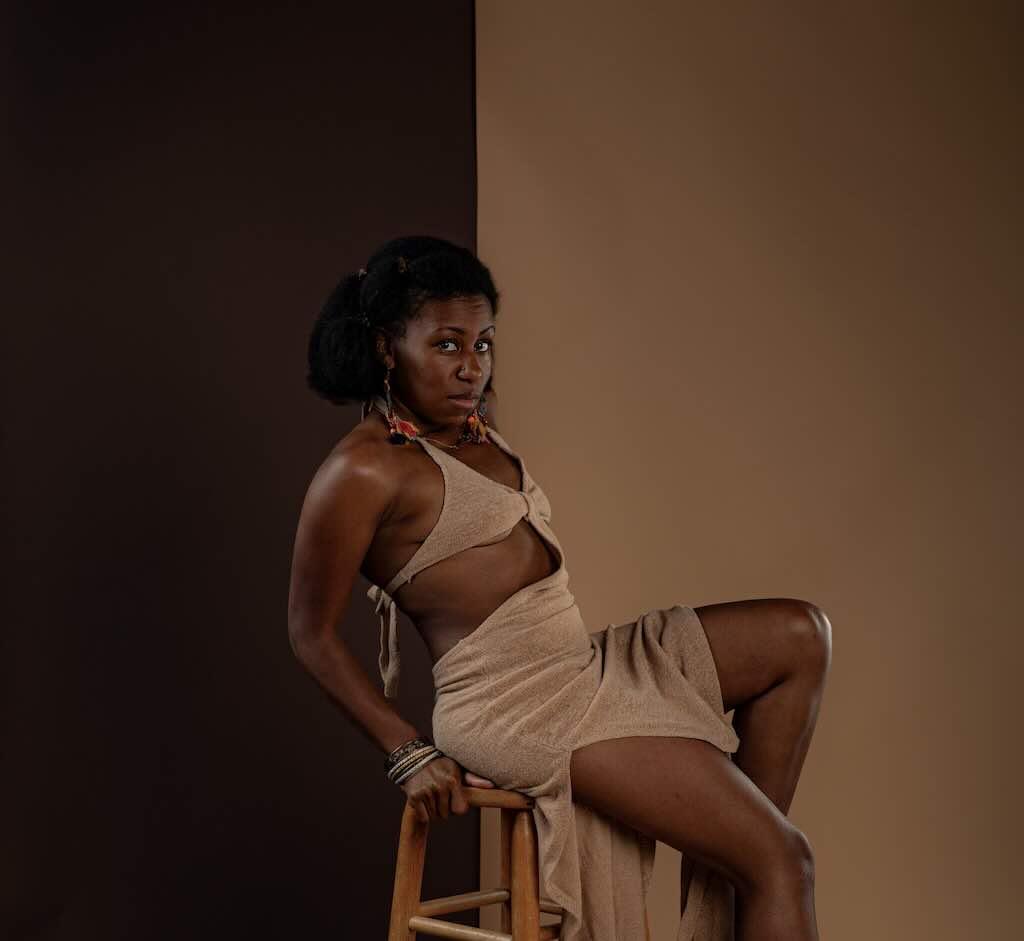
Plenty of people also look for athletic wear (or vêtements de sport in French) that transitions cleanly from a workout session into a casual social setting. Choosing pieces that double as genuinely stylish everyday clothing means the gear aligns with both a fitness routine and a normal day — comfort that holds up across whatever the day actually looks like.
Navigating the World of Sportswear Materials for Optimal Comfort
Comfort starts with material choice. High-performance, moisture-wicking fabrics keep the body dry and avoid the discomfort of damp clothing clinging through a workout. These fabrics work by pulling sweat to the garment’s surface, where it evaporates more easily — helping maintain a stable body temperature through intense activity.
Fabric choice also plays a real role in skin protection. Polyester and nylon remain popular for their durability and quick-drying properties, while natural fibers like merino wool have gained real ground for their breathability and odor resistance. Balancing synthetic and natural materials against the specific demands of a sport is worth thinking through rather than defaulting to whatever’s cheapest.
For anyone managing sensitive skin, hypoallergenic materials exist specifically to reduce irritation and allergic reaction risk. Seamless designs and flat-lying seams are worth prioritizing too — small details that add up to a genuinely smoother experience with every movement.
The Impact of Proper Sportswear on Injury prevention and Recovery
Injury prevention stands out as one of the clearest benefits of wearing genuinely appropriate sportswear. The right clothing supports the body’s structure directly, reducing strain and overuse injury risk. Supportive footwear, for example, sets the foundation that affects alignment and impact distribution through the entire body — not just the feet.
For athletes recovering from injury, compression gear genuinely earns its reputation. These garments promote blood flow to the injured area, supporting faster healing and reducing swelling. They also help maintain warmth in muscles and joints, easing stiffness and discomfort through recovery.
Technology has also brought real padding and reinforcement into the areas of sportswear most prone to impact or stress. That added protection matters especially in contact sports, or activities with a genuinely high fall risk — skateboarding and cycling among them.
Overall, the deliberate choice of sportswear is a genuinely critical part of any fitness journey. From optimizing performance and preventing injury to enhancing comfort and fitting individual needs, proactive sportswear selection shapes the athletic experience in real, measurable ways. The right gear isn’t just worn — it’s experienced, and it moves a person closer to their goals in both health and sport.
Conclusion
Sportswear that fits well, breathes properly, and holds up under real conditions isn’t a luxury — it’s a foundational part of training smart. Fit, fabric, and injury prevention all connect back to the same goal: gear that supports the body rather than working against it, so performance and recovery both get the fair shot they deserve.
FAQ: Choosing Sportswear for Performance
Q: How do I know if athletic gear fits correctly? A: Well-fitted sportswear should move with the body without restricting range of motion, and shouldn’t bunch, ride up, or dig in during dynamic movement. If a piece needs constant adjustment mid-workout, that’s usually a sign the fit is off.
Q: Are compression garments worth it for casual exercisers, or just serious athletes? A: They genuinely help at any level — the circulation and muscle-oscillation benefits aren’t exclusive to elite training. Casual exercisers may notice less dramatic effects simply because training volume is lower, but the mechanism works the same either way.
Q: How often should sportswear be replaced? A: Once moisture-wicking fabric stops performing — staying damp longer, losing shape, or developing persistent odor even after washing — it’s time to replace it. For high-use items like sports bras and running shoes, that’s typically every 6–12 months with regular use.
Q: Is natural fabric like merino wool actually better than synthetic performance fabric? A: It depends on the activity. Merino wool offers better odor resistance and temperature regulation for longer, lower-intensity efforts, while synthetics like polyester generally dry faster and hold up better under high-sweat, high-intensity training. Neither is universally better — the right choice depends on the sport.