




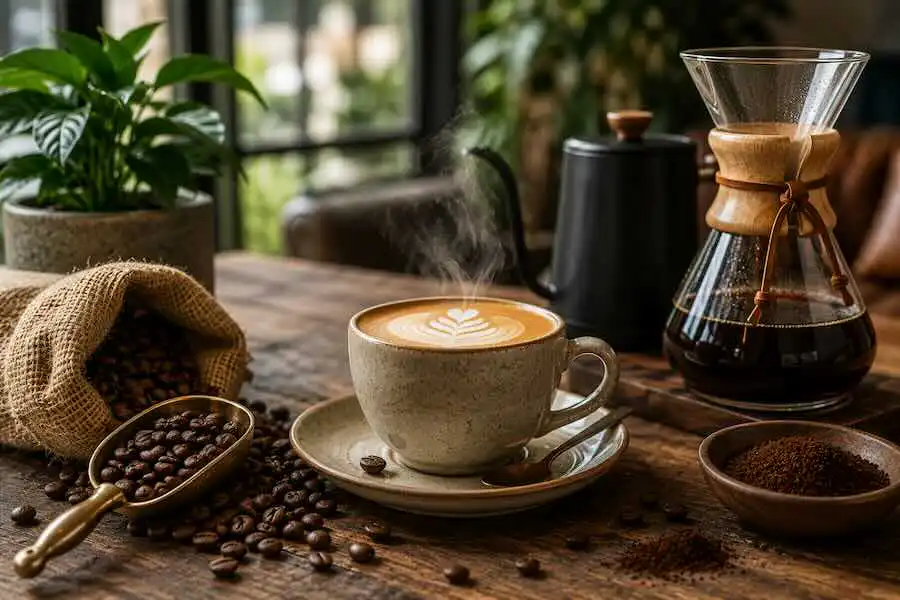
Coffee begins before the first sip. There is the dry fragrance of freshly ground beans, the soft hiss of hot water, the ceramic warmth between your hands, and those few quiet minutes before the day gathers speed. For millions of people, that small sequence has become one of everyday life’s most familiar rituals.
In 2026, coffee culture stretches from carefully sourced single-origin beans to cold brew, home espresso, neighborhood cafés, and increasingly sophisticated brewing equipment. Yet the reasons people return to coffee remain remarkably simple: flavor, stimulation, routine, and connection.
Coffee Creates a Comforting Daily Ritual
Part of coffee’s appeal has little to do with caffeine. Preparing a morning cup creates a familiar sequence of sounds, aromas, textures, and movements. Grinding beans, waiting for a pour-over to bloom, or sitting beside a café window can provide a small transition between rest and whatever comes next.
That sensory experience helps explain why coffee can feel comforting even before it is consumed. Warmth, aroma, routine, and the expectation of a familiar flavor become part of the experience. A coffee break can also create a natural reason to stop for a few minutes, much like other small routines designed to help us slow down and relax.
Caffeine Can Increase Alertness
There is also a practical reason coffee dominates so many mornings: caffeine is a stimulant. It can temporarily increase alertness and reduce feelings of tiredness, which is why coffee has become closely associated with early starts, study sessions, long meetings, and afternoon slumps.
The effect varies considerably between people. Genetics, habitual caffeine intake, body size, medication, and the time of day can all influence how someone responds. A cup that feels pleasantly energizing to one person may leave another restless or interfere with sleep later that evening.
Coffee Contains Bioactive Compounds
Coffee is more chemically complex than caffeine alone. Brewed coffee contains numerous compounds, including polyphenols, that have attracted considerable scientific attention.
Observational research has associated moderate coffee consumption with several health outcomes, although association should not be confused with proof that coffee itself prevents disease. Preparation method, serving size, added sugar and cream, genetics, and an individual’s existing health conditions all matter. Readers interested in the research can explore the Harvard T.H. Chan School of Public Health’s overview of coffee.
For most healthy adults, the U.S. Food and Drug Administration cites 400 milligrams of caffeine per day as an amount not generally associated with negative effects, while also emphasizing that sensitivity varies. Pregnancy, certain medications, anxiety, sleep difficulties, and some medical conditions can require different limits.
The Flavor Possibilities Are Enormous
Coffee can be bright and citrus-like, floral and delicate, deep and chocolatey, or smoky and intense. Geography, coffee variety, processing, roasting, water, grind size, and brewing technique all change what ultimately reaches the cup.
That complexity has transformed coffee into something people explore much like wine, tea, or chocolate. A lightly roasted Ethiopian coffee may reveal floral or fruit-like characteristics, while coffees from other origins can lean toward nuts, cocoa, caramel, or spice.
Brewing adds another layer. Espresso compresses flavor into a small, concentrated serving. French press creates a fuller body. Filter coffee can emphasize clarity, while cold brew generally produces a different sensory profile because extraction happens at a much lower temperature.
Coffee Is Social
Coffee shops occupy an unusual space between home, work, and public life. They can host first dates, solitary reading sessions, quick meetings, long conversations, and an hour with a laptop. Few everyday drinks move so comfortably between private ritual and social occasion.
The phrase “let’s get coffee” rarely refers only to the drink. It offers an easy, low-pressure invitation to spend time together. Independent cafés and roasteries extend that culture by creating physical spaces where regulars, baristas, remote workers, and visitors repeatedly cross paths.
Home Brewing Has Become More Precise
Home coffee has moved well beyond spooning instant granules into a mug. Digital scales, temperature-controlled kettles, capable grinders, compact espresso machines, automatic brewers, and connected appliances have brought considerably more control to domestic kitchens.
Yet better coffee doesn’t necessarily require an expensive machine. Fresh beans, a consistent grinder, clean equipment, suitable water, and repeatable measurements can make a noticeable difference. A simple French press or manual dripper can produce an excellent cup when the fundamentals are right.
Sourcing Matters More to Coffee Drinkers
The modern coffee conversation increasingly extends beyond what happens inside the cup. Consumers are paying closer attention to where beans were grown, how producers were compensated, farming conditions, packaging, transportation, and the environmental pressures facing coffee-growing regions.
Certifications can provide useful signals, but they are only one part of the picture. Organizations such as Fair Trade Certified provide information about certification standards, while specialty roasters increasingly publish details about farms, cooperatives, processing, and purchasing relationships.
At home, sustainability can also be refreshingly practical: brew what you intend to drink, use a reusable cup when possible, maintain equipment so it lasts, and compost coffee grounds where local facilities allow it.
Functional Coffee Deserves a Closer Look
Coffee shelves now contain blends featuring mushrooms, collagen, protein, botanicals, and ingredients marketed as adaptogens. Their polished packaging can make an ordinary morning drink look closer to a wellness supplement.
That doesn’t mean every advertised benefit is established. Evidence varies considerably depending on the ingredient, dose, formulation, and health claim. Treat functional coffee as you would other supplemented foods: read the ingredient list, check the caffeine content, and be skeptical of promises that sound dramatically broader than the supporting evidence.
Coffee also continues to move beyond the breakfast table through desserts, chilled drinks, and recipes infused with coffee, showing how adaptable its flavor can be.
How to Make Your Daily Coffee Better
Start with the smallest variables. Buy beans in quantities you can reasonably use while fresh. Grind close to brewing when possible. Measure coffee and water instead of guessing, keep brewing equipment clean, and change only one variable at a time when adjusting a recipe.
Then pay attention to your body. If afternoon coffee consistently makes it difficult to fall asleep, moving the last cup earlier may matter more than purchasing another brewing accessory. If a heavily sweetened coffee has become an automatic daily habit, consider whether you actually enjoy the coffee itself or the additions surrounding it.
Conclusion: Coffee Endures Because It Is More Than One Thing
Coffee survives changing food trends because it occupies several roles at once. It is a stimulant, a craft, a flavor experience, a social invitation, and a quiet domestic ritual.
Technology and sustainability are changing how coffee reaches the cup, but the essential scene remains familiar: fresh aroma rising through a kitchen, a warm mug held between two hands, and a few minutes carved out of an otherwise busy day. Sometimes that simplicity is reason enough to love it.
Frequently Asked Questions
How much caffeine can most adults consume?
The FDA has cited 400 milligrams of caffeine per day as an amount not generally associated with negative effects for most healthy adults. Individual sensitivity varies considerably, however, and some people may need substantially less.
Is coffee actually healthy?
Coffee contains numerous bioactive compounds, and observational studies have associated moderate consumption with several favorable health outcomes. That doesn’t mean coffee is a treatment or that more is automatically better. Personal health, caffeine sensitivity, preparation, and what is added to the drink all matter.
Why does coffee taste different depending on its origin?
Growing altitude, climate, coffee variety, soil, processing, roasting, and brewing all influence flavor. This is why coffees from different regions can display noticeably different fruit, floral, nut, spice, caramel, or chocolate-like characteristics.
What is the most sustainable way to drink coffee?
There is no single perfect method. Look for transparent sourcing, avoid brewing more than you’ll drink, choose durable or reusable brewing equipment, use reusable cups where practical, and compost grounds when appropriate facilities are available.
Are mushroom and adaptogenic coffees healthier?
Not automatically. Their effects depend on the specific ingredients, quantities, and available evidence. Check labels carefully and avoid assuming that terms such as “functional” or “adaptogenic” guarantee a meaningful health benefit.