




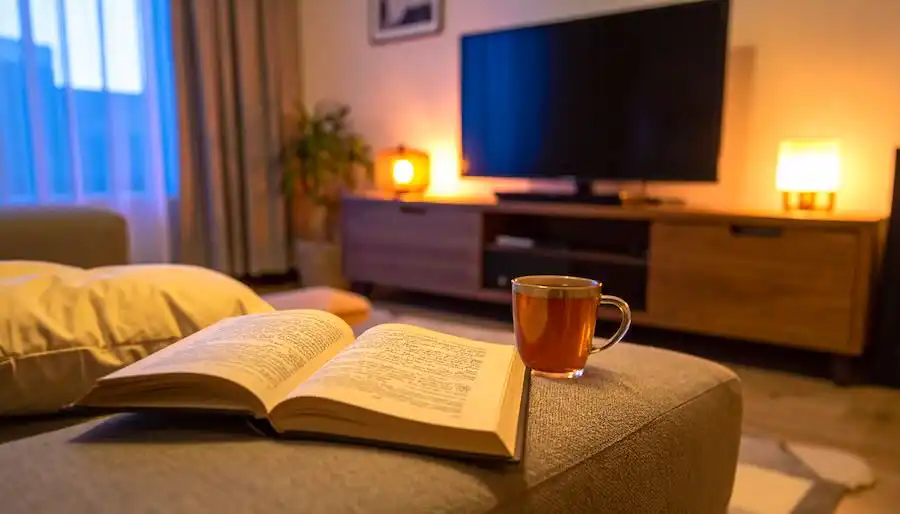
If you’ve ever caught yourself spending a little too much time binge-watching Netflix or scrolling through show after show, you’re definitely not alone.
Recent industry research puts American adults’ daily video and TV viewing somewhere in the range of four to seven hours, depending on how “screen time” gets counted — a genuinely significant share of the waking day, however it’s measured.
But there’s no need to ditch the screen entirely or overhaul the whole evening routine to shift that balance.
What actually helps is having a collection of enjoyable, easy-to-try activities that feel natural rather than forced — ones that can be mixed and matched to keep evenings feeling fresh, flexible, and genuinely fun.
Pick a few that catch the eye and swap them in for some of that TV time. Adjust the routine as it goes, keep the favorites. Over time, a clearer picture forms of what actually energizes the mind, sparks creativity, and nurtures real connection — the kind of evening that ends with a calm mind and a genuinely full one.
It’s easy to fall into the habit of binge-watching every night, especially once the days shorten and the couch starts calling. But evenings offer a real opportunity to unwind, recharge, and nurture creativity or well-being without a screen anywhere in sight. Here are some genuinely inspiring alternatives to Netflix worth trying.
1. Read a Book or Listen to an Audiobook
Escape into a different world, or learn something new, by picking up a book or tuning into an audiobook. Not sure where to start? Goodreads offers endless recommendations, and Audible carries a genuinely vast library of audiobooks across every taste.
2. Try Journaling or Creative Writing
Reflect on the day, set a goal, or let the imagination run somewhere unexpected. Journaling genuinely helps reduce stress and improve mental clarity. This breakdown of journaling’s benefits is a solid starting point, with simple prompts to get going.
3. Experiment with a New Recipe
Cooking or baking something new is both relaxing and genuinely rewarding. BBC Good Food has healthy recipes worth exploring, and Minimalist Baker covers plant-based ideas particularly well.
4. Practice Mindfulness or Yoga
Wind down with gentle yoga or meditation to calm both mind and body. Yoga Journal has routines for every level, and Mindful.org offers genuinely beginner-friendly mindfulness guidance.
5. Play a Board Game or Do a Puzzle
Gather family or friends for a classic board game night, or take on a puzzle solo. It’s a genuinely fun, screen-free way to connect and unwind. BoardGameGeek is a great resource for discovering something new to try.
6. Enjoy a Creative Hobby
Drawing, knitting, playing an instrument, crafting — creative hobbies genuinely lift mood and spark inspiration in a way passive viewing rarely does. Skillshare and Instructables both offer solid tutorials to get started.
7. Take an Evening Walk
Fresh air and gentle movement genuinely help with unwinding and reflecting on the day. Healthline’s rundown of walking’s health benefits covers the science behind why it works so well as a reset.
8. Connect with Loved Ones
Call a friend, write a letter, plan a small gathering. Meaningful connection is a genuinely good way to close out the day. The Harvard Study of Adult Development — one of the longest-running studies on human happiness — found that close relationships, more than money or fame, are what actually keep people happy and healthy over a lifetime.
Final Thoughts
Swapping screen time for intentional, unplugged activities genuinely helps with sleep, presence, and discovering new interests along the way. Try one or two of these this week and notice what actually shifts.
Frequently Asked Questions (FAQ)
Q1: How can I make unplugged evenings a habit?
A1: Start small — set a “no screens after 8pm” rule, or pick one new activity to try each week. Consistency and a bit of planning ahead are what actually build a lasting habit here, more than motivation alone.
Q2: What if I live alone and want social connection?
A2: Many of these activities — journaling, reading, crafting — are naturally solo-friendly. For social connection specifically, local clubs, online hobby groups, or virtual book clubs are all genuinely good ways to meet like-minded people without needing an existing circle.
Q3: Are there health benefits to reducing screen time in the evening?
A3: Yes — reducing screen time before bed can genuinely improve sleep quality, ease eye strain and headaches, lower stress, and support mental clarity and creativity the next day.
Q4: What are some quick unplugged activities for busy evenings?
A4: A 10-minute meditation, a few pages of a book, or jotting a few lines in a journal are all genuinely effective ways to unplug without needing much time at all.
Q5: How can I stay motivated to try new activities instead of Netflix?
A5: Set small goals, reward the effort of trying something new, and keep the benefits — better sleep, more creativity — in mind. Mixing up the activity list keeps the whole thing feeling fresh rather than like one more obligation.