



The first cool morning after summer has its own dress code. Bare shoulders suddenly want a soft knit nearby, sandals begin sharing space with boots, and saturated summer color gives way to tobacco brown, burgundy, olive, cream, and deep navy. Transitioning a wardrobe into fall does not require replacing it. The smarter approach is to make summer pieces work harder through texture, proportion, and thoughtful layering.
That makes early autumn an especially useful moment for experimenting with personal style. Instead of chasing an entirely new wardrobe, look at what already hangs in your closet and consider how each piece changes beside heavier fabrics, longer silhouettes, closed shoes, and warmer accessories.
Start With Layers, Not a New Wardrobe
Layering is the simplest bridge between seasons because it lets lightweight summer clothing remain useful as temperatures shift throughout the day. A cotton dress can sit beneath a cardigan. A tank can become the base for an oversized shirt and tailored jacket. A T-shirt suddenly feels autumnal beneath a soft knit or structured blazer.
The visual trick is contrast. Pair something fluid with something structured, or place a fine fabric beneath a heavier one. Linen beneath wool, silk beside denim, and a lightweight dress under a leather jacket create depth without making an outfit feel unnecessarily bulky.
Let Accessories Signal the New Season
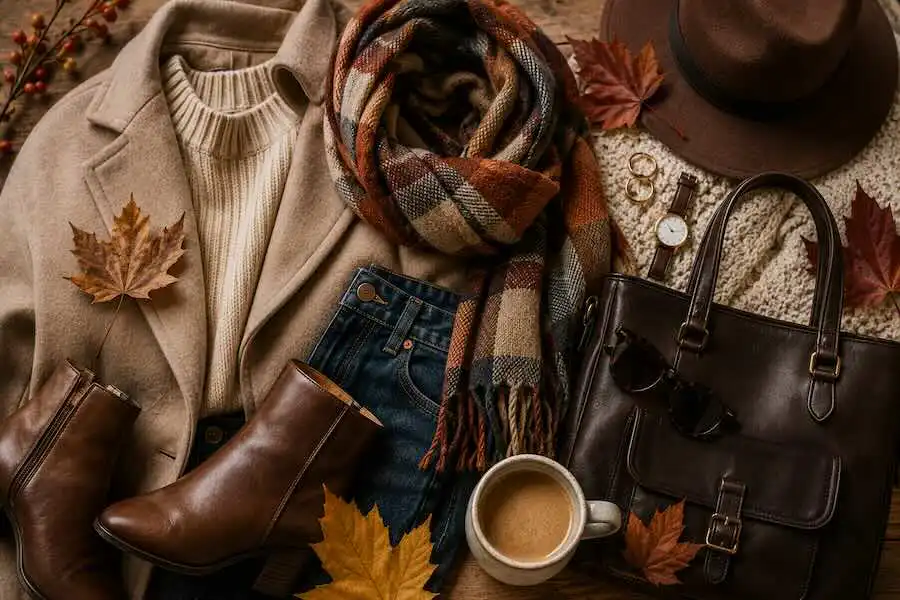
Accessories can change the temperature of an outfit before the weather requires a coat. Replace bright summer accents with leather, suede, wool, silk, brushed metal, and darker tortoiseshell. A warm-toned scarf, substantial belt, structured bag, or pair of tights can shift familiar clothing firmly into fall.
This is also an economical way to update a wardrobe. Rather than buying several new outfits, introduce one or two accessories in shades already present in your closet. Chocolate brown, oxblood, forest green, charcoal, camel, and deep navy are particularly easy to combine with summer neutrals.
Take Skirts and Dresses to a Longer Length
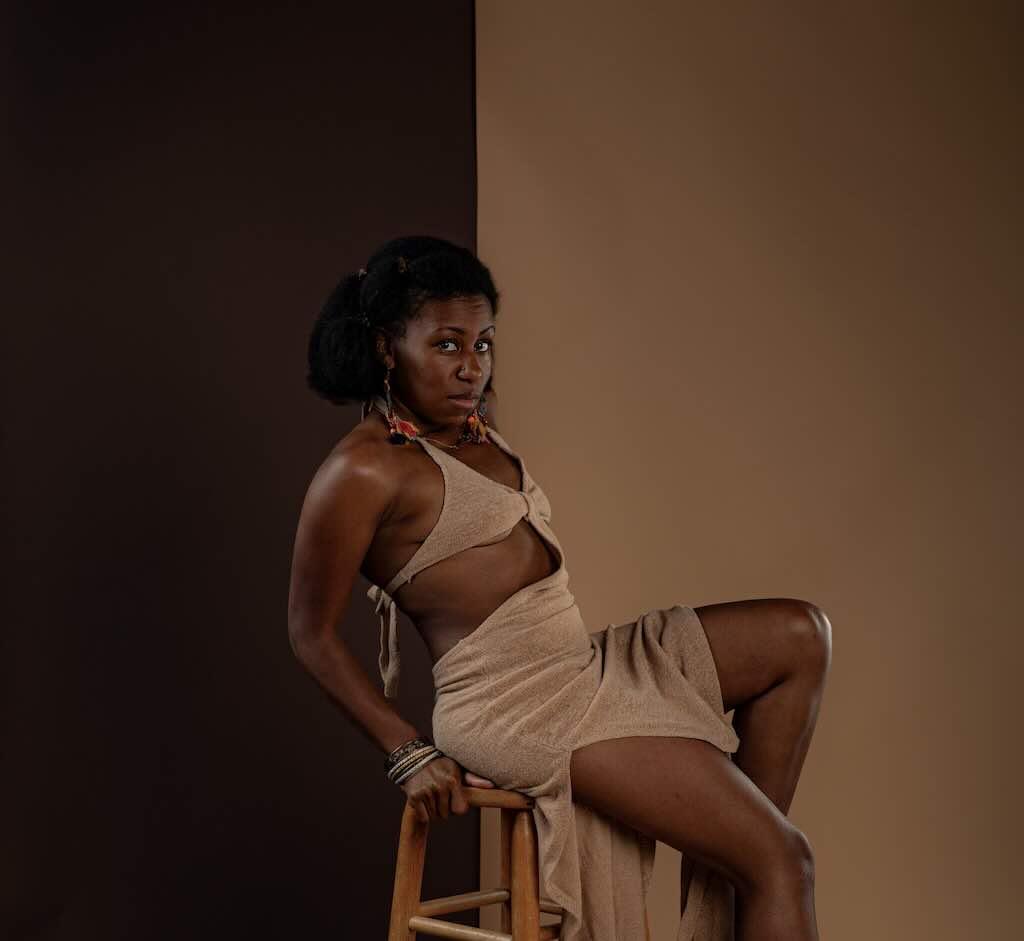
Autumn does not mean abandoning dresses and skirts. Instead, proportions can become longer and slightly heavier. Maxi skirts and ankle-skimming dresses provide more coverage while retaining the movement that makes summer dressing feel effortless.
A long skirt paired with a fitted knit and boots creates a clean everyday silhouette. For evening, add a cropped leather jacket or tailored blazer. Summer dresses can also remain in rotation with tights, loafers, boots, cardigans, or coats as temperatures fall.
Invest in Blouses That Can Be Layered
A strong blouse earns its place during transitional weather because it can move easily between warm afternoons and colder evenings. Crisp button-downs, softly draped shirts, subtle checks, romantic sleeves, and restrained detailing all work across jeans, trousers, and skirts.
Look beyond the initial outfit when shopping. A blouse becomes considerably more useful when it works alone, underneath knitwear, and beneath a jacket. Natural and breathable fabrics can also make temperature changes easier to manage throughout the day.
Shift the Color Palette Gradually
You do not need to move directly from bright summer color into head-to-toe brown. A gradual shift often looks more sophisticated. Keep some of summer’s warmth, then deepen it.
- Deepen sunset shades: Replace citrus orange with rust or terracotta, pale lavender with aubergine, and bright blue with navy or petrol.
- Introduce earthy neutrals: Camel, stone, cream, chocolate, olive, and charcoal provide an autumn base without feeling severe.
- Use summer color as an accent: A brighter shirt or bag can still work when surrounded by darker, quieter pieces.
Think of the palette as late-afternoon light rather than the middle of July: still warm, but softer around the edges.
Choose Prints With a Darker Ground
Florals do not disappear when summer ends. Their scale and background simply change. Smaller flowers, darker base colors, checks, subtle geometrics, and vintage-inspired botanical patterns feel naturally suited to autumn.
The romantic influence associated with cottagecore dressing can work particularly well here. A floral dress in burgundy, brown, navy, or muted green looks markedly different from a bright vacation sundress, especially once paired with boots and knitwear.
Bring Texture Into the Outfit
Color gets much of the attention in seasonal dressing, but texture often does more of the work. Corduroy, brushed wool, suede, denim, leather, ribbed knits, and heavier cotton immediately introduce an autumn mood.
You only need one substantial texture to change the character of an outfit. Try denim with a fine knit, a silk skirt with suede boots, or a cotton shirt beneath a textured cardigan. Mixing surfaces creates visual richness while keeping the individual pieces simple.
Change Footwear Before Everything Else
Shoes provide one of the quickest seasonal transitions. Loafers, ankle boots, leather sneakers, ballet flats, and closed-toe shoes can make a lightweight outfit feel appropriate for cooler weather even before coats become necessary.
That means the linen trousers or long dress you wore through August do not need to disappear immediately. Changing sandals for leather footwear and adding a knit may be enough to carry the same piece well into autumn.
Build Around Clothes You Will Wear Again
A seasonal transition is a useful moment to identify gaps rather than accumulate trends. Before shopping, pull out the pieces you wore most during summer and determine what would extend their life. Perhaps it is a cardigan, a dependable blazer, boots, or a versatile scarf rather than another statement garment.
In practice, the strongest fall wardrobes rarely depend on a single trend. They are built from adaptable pieces that can be rearranged as the light changes, temperatures fall, and coats gradually return to the hallway.
Conclusion: Let Summer Fade Slowly
The move from summer into fall should feel gradual. Keep the dress. Add the cardigan. Trade sandals for boots and introduce richer colors one piece at a time. Layering, texture, thoughtful accessories, and stronger proportions can make an existing wardrobe feel completely different without requiring a seasonal shopping spree.
That is part of what makes transitional dressing interesting. For a few weeks, two seasons occupy the same closet — light cotton beside wool, bare ankles beneath a jacket, and the last traces of summer color against the first deep shades of autumn.
Frequently Asked Questions
When should I start transitioning my wardrobe for fall?
Start when mornings and evenings become noticeably cooler rather than following a fixed date. Introduce lightweight layers first and save heavier coats and knits for consistently colder weather.
How can I wear summer dresses in autumn?
Add a cardigan, blazer, leather jacket, tights, or boots. Dresses in neutral or darker colors are particularly easy to carry into fall, although brighter styles can work when balanced with muted layers.
What colors work best for a fall wardrobe?
Camel, burgundy, chocolate brown, olive, navy, cream, rust, charcoal, and deep green are versatile choices. You can still wear brighter colors; pairing them with deeper neutrals makes them feel more seasonal.
What are the most useful transitional wardrobe pieces?
A lightweight knit, tailored blazer, versatile jacket, long skirt, button-down shirt, scarf, loafers, and ankle boots can create numerous transitional outfits without requiring an entirely new wardrobe.
How can I update my fall style on a budget?
Shop your existing wardrobe first. Concentrate new purchases on pieces that connect several outfits, such as footwear, outerwear, knitwear, or accessories, rather than buying complete looks built around short-lived trends.