




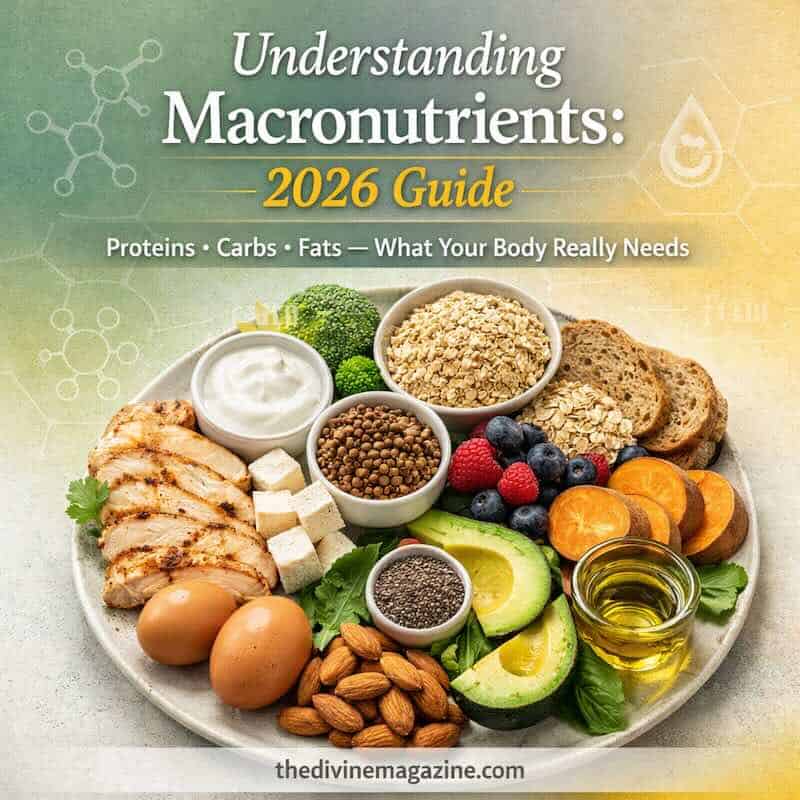
In 2026, health and wellness continue to revolve around one timeless truth: understanding macronutrients. These essential compounds—proteins, fats, and carbohydrates—remain the foundation of human nutrition, providing the energy and building blocks our bodies need to thrive in an increasingly fast-paced world.
This updated guide explores how macronutrients influence metabolism, longevity, and mental clarity, drawing on recent research from the World Health Organization and the British Nutrition Foundation. By understanding their roles, we can make smarter dietary choices that align with modern health goals.
The Importance of Macronutrients: A Deeper Dive
Not only do everyday consumers need to comprehend the significance of macronutrients, but industry professionals—especially supplement manufacturers like Makers Nutrition—must understand their science. In 2026, supplement innovation increasingly focuses on bioavailability and personalized nutrition, making a deep grasp of macronutrient balance essential for product development.
Macronutrients form the bulk of our food intake and supply the energy we need to sustain life. Unlike micronutrients, which are required in smaller quantities, macronutrients are consumed in larger amounts to maintain muscle, organ function, and metabolic health. Understanding each category helps us tailor our diets to support energy, recovery, and longevity.
Proteins: The Body’s Building Blocks
Proteins remain the cornerstone of cellular repair and growth. Composed of amino acids—some essential, others non-essential—they support muscle development, hormone production, and immune defense. In 2026, research from the National Institutes of Health highlights how protein timing and quality can enhance recovery and metabolic efficiency.
High-quality protein sources include lean meats, eggs, legumes, and plant-based alternatives such as tofu and quinoa. Adequate intake helps maintain muscle mass, regulate appetite, and support healthy aging—especially important as global populations shift toward longevity-focused lifestyles.
Carbohydrates: The Body’s Main Energy Source
Carbohydrates are our bodies’ primary energy source, fueling everything from brain activity to athletic performance. In 2026, the conversation around carbs has evolved—focusing less on restriction and more on quality and timing.
Complex carbohydrates found in whole grains, fruits, and vegetables provide sustained energy and support gut health through fiber. Meanwhile, simple sugars should be consumed sparingly to avoid spikes in blood glucose. The CDC continues to recommend limiting added sugars to less than 10% of daily calories.
Carbohydrates also play a vital role in cognitive function. The brain relies on glucose as its primary fuel, and insufficient intake can lead to fatigue and reduced concentration. Balanced carb consumption supports both physical and mental performance.
Fats: More Than Just Stored Energy
Fats have undergone a reputation transformation. Once feared, they are now recognized as vital for hormone regulation, brain health, and nutrient absorption. Unsaturated fats—found in olive oil, nuts, and fish—support cardiovascular health, while saturated fats can be enjoyed in moderation.
Trans fats, however, remain harmful and are being phased out globally. The U.S. FDA continues to enforce bans on artificial trans fats to reduce heart disease risk. Meanwhile, omega‑3 and omega‑6 fatty acids are increasingly studied for their role in reducing inflammation and supporting brain function.
Balancing Macronutrients for Optimal Health
Achieving balance among macronutrients is key to sustainable health. The Weight Loss Clinic in San Diego provides personalized nutrition plans tailored to individual metabolic needs. Generally, 45–65% of calories from carbohydrates, 20–35% from fats, and 10–35% from proteins remain the accepted ranges for balanced intake, according to the U.S. Dietary Guidelines.
Diversity in food choices ensures adequate micronutrient intake. Incorporating whole foods, lean proteins, healthy fats, and fiber-rich carbohydrates supports digestion, energy, and long-term wellness. In 2026, nutrition experts emphasize the synergy between macronutrients and gut microbiome health—an emerging frontier in personalized nutrition.
Conclusion: The Harmony of Macronutrients in Modern Nutrition
Understanding macronutrients—proteins, carbohydrates, and fats—remains the cornerstone of health in 2026. Whether you’re an athlete, a wellness enthusiast, or a supplement manufacturer, appreciating their distinct roles helps you make informed dietary decisions. Balanced macronutrient intake supports energy, longevity, and mental clarity, proving that true wellness begins with mindful nourishment.
FAQ: Macronutrients & Modern Nutrition
2. Are low-carb diets still effective?
They can be, depending on individual goals and metabolism. In 2026, nutritionists emphasize flexibility over strict restriction. Low-carb diets may support short-term weight loss, but balanced approaches—like the Mediterranean or flexitarian diet—are proven to sustain energy and heart health, according to the American Heart Association.
3. How much protein do I really need?
Protein needs vary by age, activity level, and health status. The British Nutrition Foundation recommends 0.75–1.2 grams per kilogram of body weight daily for most adults, with higher intake for athletes or older adults to preserve muscle mass.
4. Are all fats bad for you?
No. Healthy fats—especially unsaturated fats and omega‑3s—are essential for brain and heart health. The key is moderation and source quality. Avoid trans fats and limit processed oils, while prioritizing natural sources like nuts, seeds, and fatty fish. The Harvard School of Public Health provides detailed guidance on choosing the right fats.
5. How can I balance macronutrients for my lifestyle?
Start by tracking your daily intake and adjusting based on energy levels and goals. Apps like Cronometer and MyFitnessPal help monitor macronutrient ratios. Consulting a registered dietitian ensures your plan supports both physical and mental well-being.
6. What’s the future of macronutrient research?
Emerging studies in 2026 focus on how macronutrients interact with genetics and the gut microbiome. Personalized nutrition—guided by DNA and metabolic profiling—is becoming mainstream, helping individuals optimize energy, immunity, and longevity. The Frontiers in Nutrition journal regularly publishes updates on this evolving field.
By staying informed and flexible, you can use macronutrient science to build a diet that supports your unique physiology and long-term wellness goals.