

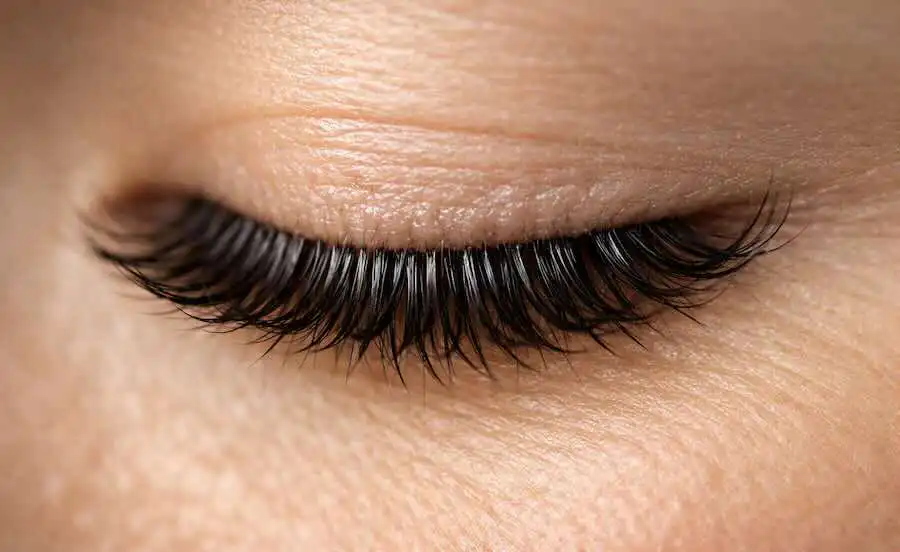
The trouble with eyelash extensions is that there are so many types. Lash versus strip, mink versus synthetic — the basics only get you so far, because not all of them are created equal. To help narrow it down, here’s a breakdown of the top three types of eyelash extensions worth knowing before your next appointment. An eyelash lift and tint kit is a genuinely useful companion to have in your beauty kit alongside them.
1. Mink Lashes
Mink eyelash extensions are made from real fur, which creates a specific set of trade-offs. On one hand, you’re getting genuine natural hair. On the other, animal hair extensions ask more of you in return — special aftercare products, cleaning solutions made for the lashes, and gentle oils to keep the fur soft between appointments.
What mink does well is weight and feel — lightweight, natural against the eye, and genuinely convincing up close. Like all lash extensions, they follow your natural lash’s own growth cycle, so infills every 2–3 weeks keep a set looking full rather than sparse.
2. Synthetic Extensions
Synthetic lashes are essentially weightless, which means all-day wear without the irritation heavier materials can bring. They also come in a genuinely wide range of lengths and styles — some curled, some layered and wispy, built for very different looks.
The trade-off is durability. Synthetic fibers are typically the least resilient of the three, which usually means infills on a slightly tighter schedule than mink or human hair. That makes them a solid fit for anyone who wants a bold, everyday look but isn’t chasing longevity from a single set.
3. Human Hair
Human hair extensions sit at the top of the category for a reason — made from real hair, they look and move more naturally than either alternative. They still shed on the same cycle as your natural lashes do, but they tend to hold their shape and shine between infills better than synthetic fibers.
Styles vary widely here too — straight and wispy, curled and voluminous, layered for extra length — and the strands are generally a touch denser than synthetic or mink. The trade-off is cost: human hair extensions run more expensive and need the same careful cleaning routine as mink to stay in good condition.
A DIY Alternative
Not everyone wants a salon appointment on the calendar every few weeks. For a lower-commitment option, at-home lash extensions are designed to feel closer to the real thing than a standard strip lash, without requiring a technician’s chair.
Choosing between the three main types comes down to a few honest questions: what’s the budget, how much upkeep are you actually willing to do, and how does each style sit against your particular eye shape? Some categories flatter certain shapes far more than others, and that’s worth testing before committing to a full set.
Conclusion
Mink, synthetic, or human hair — the right choice comes down to how much natural feel, upkeep, and budget you’re willing to trade against each other. Get that balance right, and the extensions do exactly what they’re meant to: disappear into the rest of your look rather than become the thing people notice first.
FAQ: Eyelash Extensions
Q: Are eyelash extensions safe for your eyes? A: Generally yes, when applied by an experienced technician in a sanitary setting with skin-safe adhesives. The American Academy of Ophthalmology notes the main risks come from the glue rather than the lashes themselves — allergic reactions and eyelid irritation are the most common issues, so a patch test before your first full application is worth requesting.
Q: How often do eyelash extensions need to be refilled? A: Roughly every 2–3 weeks, regardless of material. Extensions are bonded to individual natural lashes, so they shed on the same cycle your own lashes do — infills replace what’s fallen out rather than “renewing” the whole set.
Q: Can I wear mascara with eyelash extensions? A: It’s best avoided, or limited to a water-based, oil-free formula applied sparingly to the tips only. Oil-based mascaras and removers can break down the adhesive bond and shorten the life of the set considerably.
Q: How do I know which lash style suits my eye shape? A: A good technician will assess this at your consultation — rounder eyes often suit a cat-eye style extension that elongates outward, while a more uniform length tends to flatter deep-set or almond eyes. It’s worth asking directly rather than guessing from photos of other people’s results.