





In 2026, keto isn’t just a diet—it’s an industry. Supermarket shelves now glow with “Keto‑Certified” badges on products that would’ve seemed unthinkable a decade ago: low‑carb brioche, grain‑free pasta, and even ice cream engineered to keep blood sugar flat. For millions of consumers, the low-carb lifestyle has moved from niche experiment to everyday norm.
But step into a doctor’s office, and the enthusiasm cools. Many primary care physicians still greet long-term keto with a cautious pause, even as their patients swear by sharper focus, steadier energy, and shrinking waistlines. The tension isn’t simply generational or ideological. It reflects a deeper debate inside modern medicine—one that goes beyond weight loss trends and into the metabolic architecture of the human body.
Researchers are increasingly exploring the consequences of chronically minimizing carbohydrates, a macronutrient humans have relied on for millennia. How does the body adapt? Which systems thrive under sustained ketosis, and which might strain under the metabolic shift? And perhaps the most pressing question: what does “long‑term” even mean in a dietary landscape where the science is still catching up to the hype?
1. The Nutrient Gap: What’s Missing?
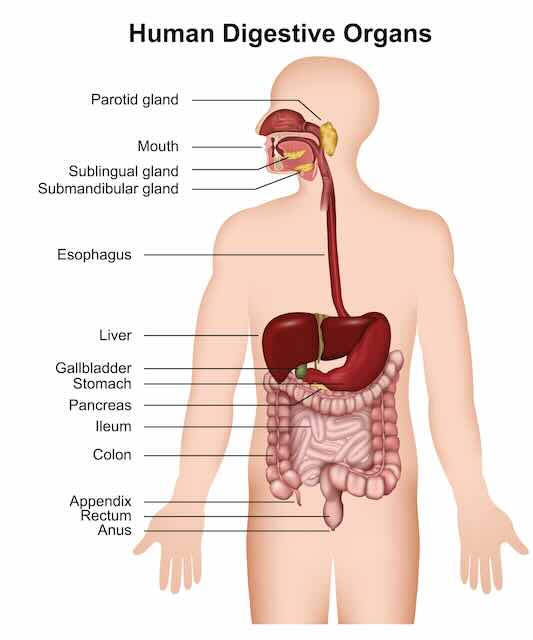
Doctors often view food as a delivery system for micronutrients. When you eliminate major food groups—like whole grains, legumes, and most fruits—you aren’t just cutting sugar; you’re cutting essential “tools” the body needs to function.
- Fiber Deficiency: Most low-carb diets are notoriously low in fiber. This doesn’t just lead to constipation; it impacts the gut microbiome, which we now know is critical for immune function and mental health.
- Micronutrient Depletion: Cutting out fruit and starchy vegetables can lead to gaps in vitamin C, potassium, and magnesium.
- The Saturated Fat Trap: To stay full without carbs, many people lean heavily on red meat and butter. Doctors worry this shift can negatively impact LDL cholesterol (the “bad” kind) in some individuals, potentially increasing cardiovascular risk.
2. The “Short-Term Win, Long-Term Question” Problem
Medical skepticism often stems from the lack of 20+ year longitudinal studies on high-fat, ultra-low-carb living.
- Weight Loss vs. Health: Almost any diet that creates a calorie deficit will cause weight loss in the short term. However, doctors look for longevity markers.
- Sustainability: Research shows that by the 12-month mark, the weight loss difference between low-carb and balanced diets (like the Mediterranean diet) usually disappears. Doctors prefer the Mediterranean approach because it is easier for patients to maintain for a lifetime without “diet fatigue.”
- Kidney & Bone Health: High-protein versions of low-carb diets can place extra stress on the kidneys for those with underlying issues and may lead to increased calcium excretion, raising concerns about bone density over time.
3. Metabolic Adaptation & Hormones
Carbohydrates play a role in regulating the endocrine system. For some, extreme restriction can send “stress signals” to the body.
- Thyroid Function: The body requires some glucose to convert T4 (inactive thyroid hormone) into T3 (active hormone). Chronic low-carb intake can sometimes lead to a “sluggish” metabolism as T3 levels drop.
- Cortisol Spikes: Restricting carbs can be perceived by the body as a stressor, potentially raising cortisol levels, which can paradoxically lead to sleep issues and stubborn belly fat.

Low-Carb vs. Mediterranean: A Comparison
| Feature | Low-Carb / Keto | Mediterranean (Doctor Preferred) |
| Main Fuel Source | Fats (Ketones) | Complex Carbohydrates & Fats |
| Fiber Content | Generally Low | High (Beans, Grains, Veg) |
| Heart Health | Variable (Depends on fat source) | Extensively Proven Positive |
| Sustainability | Difficult for many | High (Flexible & Social) |
FAQ: Navigating the Conversation with Your Doctor
Q: If my blood sugar is high, shouldn’t I go low-carb?
A: Many doctors do recommend reducing refined sugars and flours for diabetics. However, they often suggest a “low-glycemic” approach rather than total carb elimination to ensure you still get fiber and nutrients.
Q: Is “Keto Flu” a sign that the diet is working?
A: It’s a sign of electrolyte imbalance and dehydration. While it marks the transition to ketosis, doctors warn that it can be dangerous for people on blood pressure or heart medications.
Q: Can I do low-carb “the right way”?
A: Yes. If you focus on “plant-forward” low-carb—using olive oil, avocados, nuts, and massive amounts of leafy greens—many doctors are much more supportive than if you rely on bacon and cheese.
- External Link: Read the American Heart Association’s stance on dietary patterns.
Conclusion
Doctors don’t “hate” low-carb diets; they are simply trained to prioritize long-term safety over short-term scale victories. In 2026, the medical consensus is shifting toward personalization. If a low-carb approach helps you lose weight and improves your markers, your doctor may support it—provided you do it with a focus on quality fats, high fiber, and regular blood work.
The best diet isn’t the one that’s trendiest on social media; it’s the one that keeps your internal “architecture” strong for the next fifty years.