




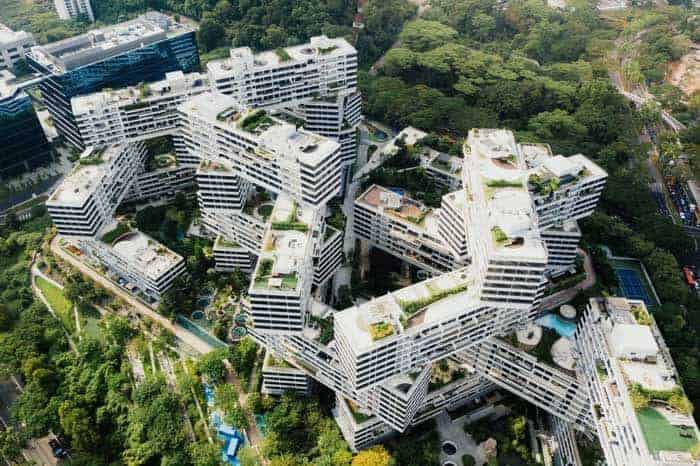
Sustainable building practices aim to reduce the negative environmental impact often caused by construction sites, by taking space, water, and energy efficiency, as well as other, more eco-friendly systems into consideration during the planning process.
Such sustainable architecture and construction practices are being incorporated into building designs more often, both due to the increasing global need to preserve the environment, as well as the desire to attract younger, more conscious renters and buyers.
In case being more sustainable is one of your priorities as well, here are some essential strategies that will help you create a greener building design:
Prioritizing space efficiency
Although often overlooked, space efficiency is one of the most important aspects of sustainable building design that can easily be achieved. For instance, architects can choose to include more open spaces that increase natural light in interiors or even select raised floor options that will improve the HVAC efficiency by lowering overhead space and providing more room for subfloor systems.
Similarly, excluding extensions, patios, and porches might minimize the overall surface area, while moving walls and multipurpose furniture could help to expand the usable living area. In any case, optimizing the use of space will allow you to control the size of the structure, while also helping businesses effectively reduce waste.

Utilizing low-impact building materials
The manufacturing of construction materials alone often requires plenty of energy, but the damaging nature of traditional building materials also means construction sites might produce unnecessary waste that can’t later be recycled or reused. In an effort to prioritize sustainability, low-impact building materials that have already been repurposed or recycled might be the best way of minimizing your carbon footprint.
For example, green concrete and micro-silica can be great green alternatives to traditional concrete, while materials like bamboo, reclaimed wood, or recycled plastic are known for being among the most eco-friendly options, all of which can ensure construction projects run smoothly and efficiently.
Effectively managing construction waste
Construction often generates a significant amount of waste, mostly materials that can easily be recycled, repurposed, or reused. For that reason, countries that practice sustainability, such as Australia, typically require documents like the Onsite Wastewater Management Program (OWMP) to be submitted as part of a Development Application (DA), in order to ensure efficient and sustainable waste handling practices.
Here, architects and developers tend to hire experienced and professional companies dealing with waste management in Australia, who can help them create appropriate waste management and optimization plan for greener construction practices. Whether your own country has similar laws or not, it would be wise to hire such waste management experts when attempting to bring sustainability into your building design as well.

image by rawpixel.com
Focusing on renewable energy sources
Construction procedures in the U.S. alone account for over 97 quads of energy consumed each year, approximately 19% of global energy consumption. Fortunately, renewable energy sources like solar power, wind, and hydro energy, as well as the use of more energy-efficient machinery and equipment, will help to reduce the energy consumption of construction sites, while also minimizing CO2 emissions.
What’s more, renewable energy solutions can be incorporated into the building design as well, such as prioritizing proper ventilation, focusing on natural light, installing solar panels, or even choosing smarter, UV-blocking windows, in order to achieve a more sustainable design.
Including greener design aspects
There are many smaller yet still efficient ways sustainability can be brought into construction, especially when it comes to interior design and the features that are included in the building plan. For instance, using energy-efficient lightbulbs and lighting sensors, installing passive heating and cooling solutions, and utilizing new technologies for temperature and energy control can all help to reduce energy consumption.
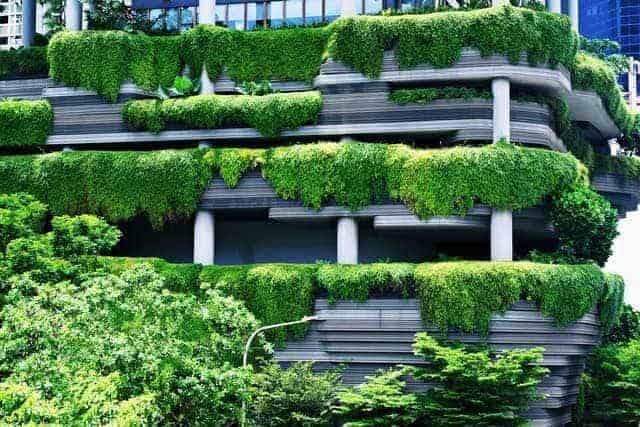
On the other hand, collecting rainwater for flushing and landscapes, as well as installing low-flow fixtures, could minimize water waste, while features such as green roofs might help to lower CO2 emissions and create a more pleasant living environment.
Understanding the site’s microclimate
Even though knowing the local climate can be quite beneficial for understanding the effects of weather on your building, being familiar with the construction site’s microclimate can be just as important. For example, the site could have streams and rivers, valleys, steep hills, or any other unique features that will improve the landscape while also making for a greener design. If possible, it would also be wise to work with a landscape designer or architect when planning your building’s surroundings. Apart from beautifying the space, a professional will also be able to effectively include more plant species native to the area, thus helping not to disturb the environment.
In conclusion
Regardless of the development scale, sustainability should be included in every stage of the building design process. And evidently, making your building more environmentally friendly while also increasing the well-being of the occupants is easier than it might initially seem, with the use of the effective strategies mentioned above.