




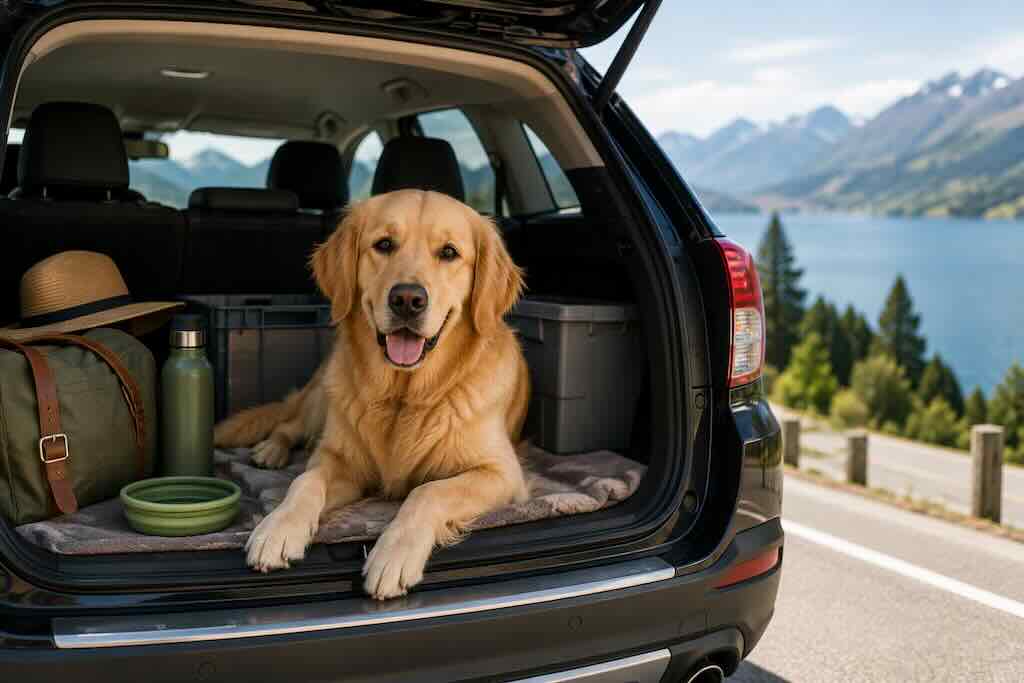
Taking your dog on vacation can turn an ordinary trip into something more memorable: morning walks somewhere unfamiliar, quiet stops along the road and a familiar face waiting beside you at the end of the day. It also changes how you need to plan.
Border rules, vaccinations, accommodation policies, transport and emergency care all need attention before departure. The requirements can vary considerably between destinations, so traveling with a dog works best when the practical details are settled early.
Editor’s note: This article has been updated for 2026 to reflect current pet-travel requirements, remove outdated advice about transport and add clearer guidance on documentation, accommodation, road trips, air travel and emergency planning.
1. Check the Travel Rules Before You Book
Start with the destination rather than the suitcase. Rules for traveling with a dog can involve identification, rabies vaccination, health certificates, parasite treatments and specific entry procedures.
For travel within the European Union, current EU pet-travel rules generally require dogs traveling between EU countries to be microchipped, vaccinated against rabies and accompanied by a valid European pet passport. Additional tapeworm treatment applies when traveling to certain destinations, including Finland, Ireland, Malta, Norway and Northern Ireland.
Rules differ when entering the EU from outside it, and individual countries can have additional requirements. If you are traveling internationally from the United States, USDA APHIS recommends contacting an accredited veterinarian as soon as you decide to travel, because the destination country determines its entry requirements and the process can take time.
Check the rules for returning home as well. Entry requirements on the return journey can be different from those governing departure.
2. Arrange a Veterinary Check Before Traveling
A pre-trip veterinary appointment gives you time to check vaccinations, medications and destination-specific health risks without trying to solve them days before departure.
The CDC recommends making sure vaccinations are current and discussing preventive treatment for fleas, ticks and other parasites with your veterinarian. The appropriate protection depends on where you are traveling and what your dog will be doing there.
If your dog takes regular medication, bring enough for the trip with an appropriate reserve and keep important veterinary information accessible. International journeys may also require veterinary documentation within a specific timeframe, so confirm deadlines rather than assuming a routine vaccination record will be sufficient.
3. Make Sure the Microchip Details Are Current
A microchip is only as useful as the information connected to it.
Before leaving, confirm that the registration contains your current telephone number and contact details. The CDC specifically recommends microchipping pets and keeping their registration information updated in case an animal becomes separated from its owner while traveling.
A collar with an identification tag provides a more immediate way for somebody to contact you. When traveling internationally, including your country code can make that information more useful.
4. Plan a Dog-Friendly Itinerary
Bringing a dog changes the rhythm of a vacation. That can be part of its appeal, but only if the itinerary accounts for it.
Research which beaches, parks, restaurants, attractions and public transport services permit dogs before building the day around them. Rules may change according to season, time of day, dog size or whether the animal must remain on a leash.
Also consider the climate. A beautiful midday walking route can become unsuitable during extreme heat. On warmer trips, early mornings and evenings may be far more comfortable for longer walks, leaving the hottest part of the day for rest somewhere cool.
If you are planning a broader family trip, Divine’s family travel preparation tips can help with the rest of the itinerary.
5. Read the Accommodation’s Pet Policy Carefully
“Pet-friendly” can mean very different things from one hotel or rental property to another.
Check whether there are additional fees, weight or breed restrictions, limits on the number of dogs and rules about where animals can go within the property. Some accommodation providers allow dogs in bedrooms but not restaurants, pools or communal spaces. Others may prohibit leaving a dog unattended in the room.
Look beyond permission and consider practicality. Easy outdoor access can make early-morning walks much simpler. Hard flooring may be preferable after muddy adventures, while nearby green space can be more useful than another hotel amenity.
If anything in the policy is unclear, confirm it directly with the accommodation before paying for a non-refundable booking.
6. Practice the Travel Routine at Home
A vacation should not be the first time your dog encounters every element of travel.
If you will use a carrier or travel crate, introduce it gradually beforehand. Take shorter drives before attempting a full day on the road. Practice settling on a mat in unfamiliar environments and reinforce useful cues such as come, wait and stay.
The goal is not perfect obedience. It is familiarity.
A dog that already recognizes its carrier, blanket, travel bowl and basic routine has fewer completely new experiences to process when the journey begins.
7. Make Car Travel Safe and Comfortable
The old advice that you should “always travel by car” is too simplistic. Driving can be an excellent option, particularly for shorter journeys, but it still requires preparation.
Plan regular opportunities for water, toilet breaks and movement on longer drives. Keep your dog appropriately secured rather than allowing it to move freely around the vehicle, and check the laws governing animal restraint wherever you will be driving.
Temperature deserves particular attention. The CDC warns that temperatures inside vehicles can rise rapidly on hot days, creating potentially fatal conditions. A parked car should never become your solution for leaving a dog while you visit an attraction or restaurant.
Pack water where you can reach it easily rather than burying it beneath luggage, and keep the leash accessible for stops.
8. If You Fly, Research the Airline Before Booking
Air travel should not automatically be dismissed, but it requires more planning than simply adding a pet to an existing ticket.
Airlines have their own rules concerning animal size, carrier dimensions, breeds, cabin travel and checked or cargo transport. Availability may also be limited on individual flights.
The USDA provides dedicated guidance on preparing dogs and cats for air travel, including the importance of an appropriate kennel and assessing whether an animal is ready for the journey.
The CDC also recommends considering a direct flight where possible to reduce complications associated with layovers and extreme temperatures. If your dog is traveling in the cabin, follow the airline’s carrier requirements precisely and never place an animal in an overhead compartment.
For dogs with health conditions, anxiety or other factors that could make flying difficult, discuss the journey with your veterinarian before booking.
9. Pack for the Dog, Not Just the Destination
Familiar objects can make an unfamiliar hotel room feel less strange.
- Food for the trip and a little extra
- Water and travel bowls
- Regular medication
- Leash, harness and identification
- Bed, blanket or familiar mat
- Waste bags
- Grooming supplies where appropriate
- Copies of important health and travel documents
- A basic pet first-aid kit
Keeping the essentials together in one accessible bag is considerably easier than searching through several suitcases at a motorway stop or airport.
10. Know Where to Get Help
Emergency planning takes a few minutes at home and can save valuable time somewhere unfamiliar.
Save the details of a veterinary clinic near your accommodation and identify an emergency or 24-hour service where available. Keep your regular veterinarian’s contact details with you too.
The CDC recommends carrying basic pet first-aid supplies and having contact information for veterinary help at the destination readily available.
Watch your dog as well as the itinerary. Changes in appetite, energy, breathing, drinking or behavior can be easier to miss when every day is busy and unfamiliar.
Before You Leave: A Quick Dog Travel Check
- Check entry and return requirements for every country or region involved.
- Confirm microchip registration and identification details.
- Arrange any required veterinary appointment, vaccination, treatment or certificate.
- Confirm the accommodation’s complete pet policy.
- Check airline, rail, ferry or road-travel requirements.
- Research dog-friendly stops and activities.
- Save local and emergency veterinary contacts.
- Pack food, medication, water, identification and familiar bedding.
Conclusion
Traveling with a dog asks you to move a little differently. There are more stops, more rules to check and fewer opportunities to improvise at the last minute.
Yet that slower rhythm can become part of the trip: an early walk before the streets fill, a quiet stretch beside the water, a dog asleep in the back of the car after a long day outside.
Do the administrative work before departure. Once the documents, accommodation, transport and emergency plan are settled, there is much more room simply to enjoy traveling together.
FAQ: Traveling With a Dog
Does my dog need a passport to travel?
It depends on the journey. Dogs traveling between EU countries generally require a valid European pet passport. Dogs entering the EU from many non-EU countries instead require an EU animal health certificate and must meet other applicable entry conditions. Always check the official rules for your specific origin and destination.
Should I take my dog to the vet before traveling?
For international travel, veterinary involvement may be required for vaccinations, treatments or official documentation. Even where it is not mandatory, discussing destination-specific risks, parasite prevention and medication with your veterinarian can be useful before a significant trip.
Is driving better than flying with a dog?
Not in every situation. Driving offers more control over stops and the immediate environment, but a very long road journey can also be demanding. Flying may be necessary for some destinations. Consider your dog’s health and temperament, journey length, airline policies and available routes rather than assuming one mode of transport is always best.
Can I leave my dog alone in a pet-friendly hotel room?
Only if the accommodation permits it and your dog is comfortable being left there. Some pet-friendly properties specifically prohibit unattended animals, so check the policy before booking rather than assuming permission.
How early should I plan international travel with a dog?
Start as soon as the destination is known. Some countries require vaccinations, tests, treatments or health certificates within particular time windows, and official processing can add further time. Leaving pet documentation until the final week can make some journeys impossible.