




We have all been there. You are standing in a store or scrolling through a website, and you see a tag that says “Eco-Conscious” or “Made with Sustainable Materials.” It feels good to click that button or grab that hanger. It feels like you are doing your part. But then you look closer. Maybe the shirt is only 10% organic cotton and 90% virgin polyester. Maybe the brand has a history of questionable labor practices despite their green marketing campaigns.
This is the confusing reality of modern shopping. As we become more aware of the environmental impact of our wardrobes, brands are scrambling to meet the demand for ethical products. The result is a mix of genuine innovation and aggressive greenwashing. For the conscious consumer, separating the two can feel like a full-time job.
Fashion is about expression and creativity, but it is also one of the most polluting industries on the planet. The goal isn’t to stop loving style. It is to find a way to curate a wardrobe that aligns with your values without sacrificing your aesthetic. Let’s dig into what sustainability actually looks like when you strip away the marketing buzzwords.
The Greenwashing Trap
Greenwashing occurs when a company spends more time and money marketing themselves as environmentally friendly than actually minimizing their environmental impact. It is subtle. It uses earth tones in packaging, vague terms like “natural” or “green,” and collections that claim to save the planet while the company churns out millions of disposable garments a year.
To navigate this, you have to look past the headline. A truly sustainable brand is transparent. They don’t just tell you a product is “better.” They tell you exactly why. They publish information about their supply chain, their factories, and their carbon footprint. If you have to dig through five layers of a website to find out where the clothes are made, that is usually a red flag.
Decoding Materials and Fabrics
The fabric is the foundation of the garment. It determines how long the piece lasts, how it feels against your skin, and what happens to it when you are done with it.

Natural vs. Synthetic
Natural fibers like cotton, linen, wool, and silk are biodegradable. However, conventional cotton is incredibly water-intensive and pesticide-heavy. This is why organic cotton is a major step up. It uses less water and bans toxic chemicals.
Synthetics like polyester, nylon, and acrylic are essentially plastic. They shed microplastics into the water system every time you wash them and take hundreds of years to decompose. Recycled polyester (rPET) is a popular alternative you will see often. While it keeps plastic bottles out of landfills, it doesn’t solve the microplastic issue. It is a better choice than virgin polyester, but natural fibers generally win out for environmental impact.
Innovative Alternatives
We are seeing a surge in semi-synthetic fibers like Tencel (lyocell) and Modal. These are made from wood pulp, usually eucalyptus or beech. The production process is a closed-loop system, meaning the water and solvents are recycled and reused rather than dumped. These fabrics are soft, breathable, and generally a fantastic option for conscious consumers.
The Human Element: Ethical Labor
Sustainability isn’t just about trees and water. It is about people. You cannot have a sustainable product if the person making it was exploited. This is often the hardest part of the supply chain to verify, but it is crucial.
Look for brands that are Fair Trade Certified. This ensures that workers are paid a living wage, work in safe conditions, and have the right to unionize. B Corp certification is another gold standard. It measures a company’s entire social and environmental performance.
When you evaluate a brand, check if they have a Code of Conduct for their suppliers. Do they visit their factories? Do they know who is stitching the seams? Smaller brands often have a closer relationship with their manufacturers, allowing for greater oversight.
Building a Capsule Wardrobe
One of the most sustainable things you can do is simply buy less. The fast fashion model relies on us treating clothes as disposable. Shifting your mindset to quality over quantity changes everything. This concept mirrors other areas of intentional living. Just as you might look for 10 sustainable swaps for a zero-waste kitchen to reduce household waste, you can apply the same reductionist logic to your closet.
Start by identifying the gaps in your wardrobe. What do you actually need? What do you wear on repeat? Investing in high-quality staples that mix and match allows you to do more with less. A well-made wool coat or a perfect pair of denim jeans might cost more upfront, but if they last five years instead of one season, the cost per wear—and the environmental cost—drops significantly.
Organizing for Longevity
How you treat your clothes matters as much as where you buy them. We often ruin clothes through over-washing or improper storage. Extending the life of a garment by just nine months reduces its carbon, water, and waste footprints by around 20-30%.

Take the time to organize your space. When you can see what you own, you are less likely to impulse buy duplicates. If you are looking to revamp your storage systems, you might find inspiration in how we approach an architected workspace to organize and spark creativity. The principles of clear, functional design apply just as well to a closet as they do to a home office.
Wash clothes in cold water to save energy and preserve fabrics. Air dry when possible. Learn basic mending skills like sewing on a button or fixing a small tear. These small acts of care are radical acts of sustainability.
Brands That Walk the Talk
While we won’t list every brand out there, here are a few that consistently demonstrate what “beyond the hype” looks like. Use these as benchmarks when evaluating other companies.
Patagonia: They are the pioneers. They offer repairs for their gear, sell used items through their Worn Wear program, and are incredibly transparent about their supply chain. They treat their business as a tool for environmental activism.
Reformation: Known for trendy, feminine styles, they put sustainability at the center of their marketing without hiding the data. They track the water and carbon footprint of every garment and publish it on the product page.
Eileen Fisher: A leader in circular fashion. They take back their old clothes, clean them, and resell them. If the clothes are too damaged, they remake them into entirely new designs.
Kotn: This brand focuses on the “farm-to-table” concept for clothing. They work directly with cotton farmers in Egypt, ensuring fair wages and ethical practices from the very bottom of the supply chain up.
The Secondhand Revolution
You cannot talk about sustainable fashion without talking about the secondhand market. Thrifting, vintage shopping, and platforms like Depop or The RealReal are essential. Buying used extends the life of a garment and requires zero new resources to produce.
It also allows for unique style expression. Vintage pieces have character and history that mass-produced items lack. It transforms shopping from a passive consumption habit into a treasure hunt.
Making the Shift
Transitioning to a conscious wardrobe doesn’t happen overnight. It is a journey. You don’t need to throw out all your fast fashion pieces today; that would just create more waste. Wear them until they wear out.
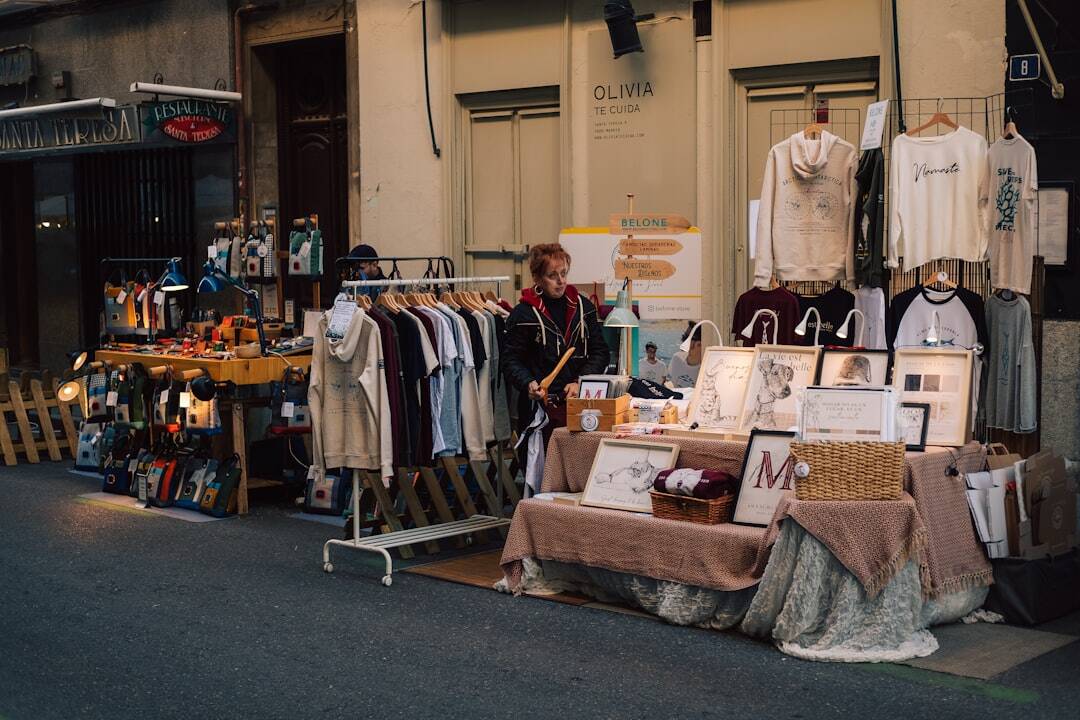
As you replace items, pause and evaluate. Check the label. Read the “About Us” page. Ask questions. By supporting brands that prioritize the planet and its people, you are voting with your wallet. You are telling the industry that you value ethics as much as aesthetics.
This approach to fashion is about taking your passion further. It is about aligning your daily choices with the world you want to live in. It turns getting dressed into an act of intention.
Fashion should make you feel good, not just because of how you look, but because of what you are supporting. When you strip away the hype and focus on the reality of production, you find a deeper connection to the things you own. That is true style.
About Divine Magazine
Divine Magazine is your digital sanctuary for culture, lifestyle, and conscious living. We curate expert advice, inspiring trends, and meaningful stories to help you enrich your everyday life. From wellness and home design to music and personal growth, we are dedicated to fostering a creative, inclusive community that values authenticity and artistic discovery.
Article was published with SEO Agento