




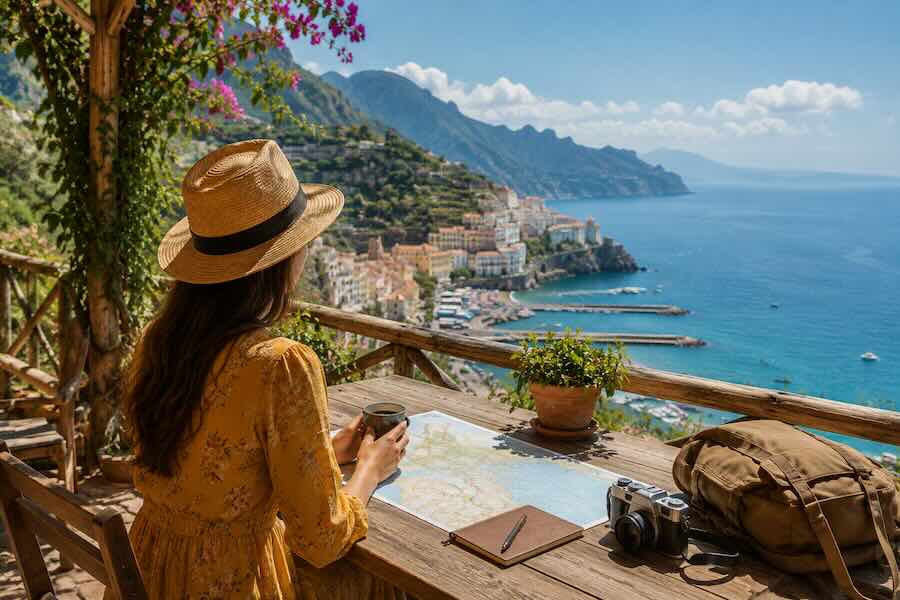
Solo travel has changed considerably since BookSinglesHolidays.com first arrived on the scene. What was once marketed largely around being single has developed into something broader: travelling independently, choosing your own rhythm and deciding when you want solitude and when you want company.
That shift makes the original idea behind BookSinglesHolidays surprisingly relevant. Created by Netherlands-based travel company eBookingServices, the platform was designed to remove some of the planning involved in travelling alone by bringing themed holidays and organised itineraries into one place.
Solo Travel Is No Longer a Niche
The numbers surrounding independent travel now look very different from those available when BookSinglesHolidays launched. Mastercard’s 2026 Travel Trendline found that 39 percent of international travellers surveyed had already travelled alone, while 20 percent said their most recent trip was solo.
Perhaps more revealing is what travellers want once they arrive. Seven in ten international leisure travellers surveyed expressed interest in solo experiences that provide opportunities to connect with like-minded people through tours, organised itineraries or shared accommodation. That places independence and social connection comfortably within the same trip.
Recent research from Hostelworld points in a similar direction. Its 2025 survey found freedom and spontaneity among the strongest attractions of travelling solo, while 58 percent of respondents wanted to meet new people.
The Original BookSinglesHolidays Idea
BookSinglesHolidays was introduced as the fourth themed travel website in the eBookingServices portfolio. Rather than expecting a traveller to assemble accommodation, activities and a daily schedule separately, its proposition centred on ready-made holiday packages.
The catalogue was broad. Adventure, cooking, photography, dancing and cycling were among the interests represented, alongside trips designed around particular communities and beliefs. At launch, the company said the platform offered 290 packages from 259 organisers.
The itinerary was not necessarily intended to dictate every hour. Travellers could typically follow scheduled activities while retaining the option to step away from parts of the programme. That balance addressed one of solo travel’s central tensions: wanting the structure and social possibilities of an organised experience without surrendering the freedom that made travelling alone attractive in the first place.
Freedom Has Become the Main Attraction
Travelling alone changes the texture of a trip. Breakfast can stretch into late morning. A museum visit can occupy twenty minutes or four hours. There is no negotiation over restaurants, departure times or whether another train journey is worth it.
That freedom remains one of solo travel’s clearest attractions. The difference in 2026 is that travelling alone no longer necessarily means designing every part of the journey alone. Organised experiences can provide a framework while leaving enough empty space for spontaneity.
Travelling Alone Can Still Be Social
The word solo can be misleading. Independent travellers may leave home without a companion while spending much of the journey meeting other people.
Food tours, hiking groups, workshops, hostels, retreats and activity-led holidays create natural points of contact because everyone already has something in common. Conversation begins over a chopping board, on a trail or across a shared table rather than through the forced introductions sometimes associated with conventional group tours.
This is where the themed-holiday model makes sense. Choosing a trip around photography, food, cycling or another genuine interest can provide both an itinerary and an immediate social language.
What Solo Travellers Should Check Before Booking
The convenience of a packaged itinerary should not replace basic research. Before paying, check precisely what the price includes, whether flights and transfers are separate, the accommodation arrangement, cancellation conditions and whether a single-room supplement applies.
It is equally useful to understand how structured the trip will be. Some travellers want breakfast-to-evening programming; others simply want accommodation and one shared activity before disappearing into the city alone.
Safety deserves the same practical attention. Keep copies of essential documents, arrange appropriate travel insurance, understand local transport before arrival and make sure someone at home has access to your itinerary. Independent travel feels considerably lighter when the unglamorous details have already been handled.
A Travel Idea That Arrived Early
BookSinglesHolidays emerged when solo travel still needed considerably more explanation than it does today. Its central proposition, however, anticipated where travel culture was heading: people wanted greater control over their journeys without necessarily giving up organisation, activities or human connection.
In 2026, that distinction feels increasingly natural. A person can travel alone without feeling isolated, join a group without surrendering independence and build an entire holiday around one personal interest. Sometimes the luxury is simply being able to decide for yourself.
Frequently Asked Questions
Is solo travel only for single people?
No. Someone can travel independently regardless of relationship status. People choose solo trips for freedom, personal interests, work schedules, self-directed experiences or simply because they enjoy travelling at their own pace.
Can an organised holiday still count as solo travel?
Absolutely. You can depart alone and join organised activities, tours or other travellers at the destination. For many people, this provides a useful middle ground between independent travel and a conventional escorted group holiday.
What should I check before booking a solo holiday?
Check accommodation arrangements, single supplements, included activities, transfers, cancellation policies, travel insurance requirements and how much flexibility the itinerary allows. It is also worth researching the destination’s transport and practical safety considerations independently.
Why are themed trips useful for solo travellers?
A shared interest gives strangers an immediate point of connection. Cooking, photography, hiking, cycling and cultural trips can therefore combine independent travel with opportunities to meet people naturally.