




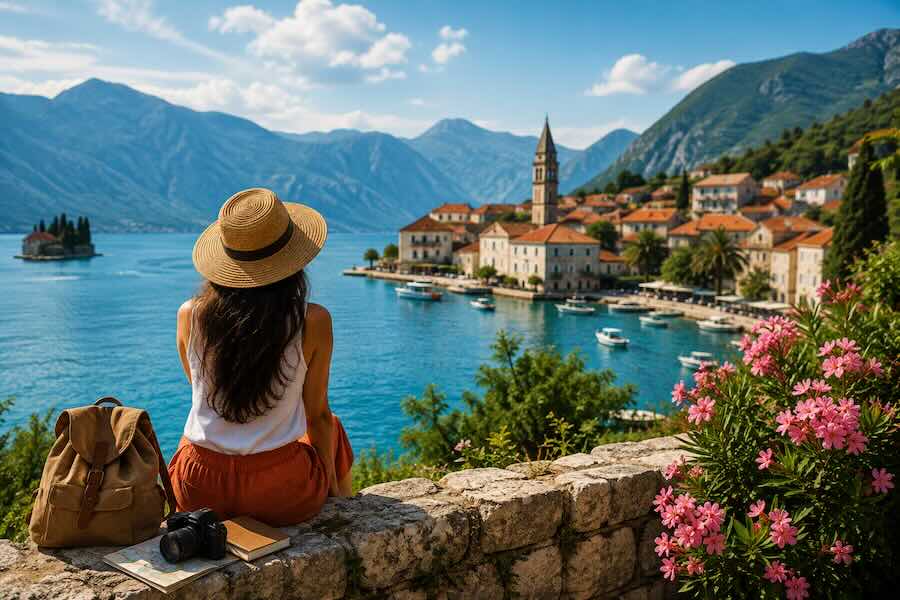
Travel in 2026 feels less like collecting destinations and more like choosing how you want to experience a place. The strongest travel trends are moving toward slower itineraries, restorative escapes, independent journeys and trips built around food, nature or a specific cultural interest.
That shift makes an older idea newly relevant: the destination matters, but the shape of the journey matters just as much. Instead of chasing a checklist, travelers can build trips around time, curiosity and a clearer sense of what they actually want from being away.
Travel Trends Shaping 2026
Wellness Travel Becomes More Intentional
Wellness travel has moved well beyond the classic spa weekend. A restorative trip might now mean sleeping beside the sea, spending several quiet days at a mountain retreat, joining a yoga program or simply choosing a destination where the schedule leaves room to breathe.
The appeal is easy to understand. Travel can create distance from routines, screens and crowded calendars. The Global Wellness Institute offers further insight into the wider wellness economy and the role travel plays within it.
Solo Travel Keeps Finding a Wider Audience
Solo travel offers something group travel rarely can: complete control over pace. You can linger over breakfast, change neighborhoods at the last minute or spend an afternoon inside a museum without negotiating the next stop.
That independence does not necessarily mean isolation. Walking tours, small-group excursions, hostels, cooking classes and communal dining experiences can create natural opportunities to meet people while preserving the freedom of traveling alone.
Purpose-Led Travel Requires More Care
Volunteering abroad can still be meaningful, but good intentions are only the beginning. Travelers should research how an organization works locally, where fees go, whether appropriate safeguarding policies exist and whether the project responds to needs identified by the community itself.
In practice, responsible travel sometimes means supporting locally operated businesses, conservation initiatives and community projects rather than inserting yourself into work that requires professional training.
Food and Wine Become the Itinerary
A vineyard road curling through sunlit hills, a market breakfast eaten standing at a counter, a tiny restaurant reached through an unmarked doorway: food can reveal a destination at street level.
Wine regions remain particularly suited to slower travel. Tuscany, Bordeaux and other established regions can anchor an entire trip around landscapes, local producers and long lunches rather than a rapid sequence of attractions.
Destinations Worth Considering
Croatia
Croatia pairs clear Adriatic water with stone cities, islands and a coastline made for lingering. Dubrovnik remains an extraordinary sight, but travelers willing to move beyond its busiest streets can build a broader journey through coastal towns, national parks and islands.
For current destination information and trip planning, consult the Croatian National Tourist Board.
Japan
Japan rewards both meticulous planning and wandering. Tokyo delivers neon-lit density, tiny restaurants and remarkably efficient transport, while Kyoto, rural communities and regional landscapes offer a quieter counterpoint.
The Japan National Tourism Organization provides practical information for building an itinerary beyond the country’s most familiar stops.
Australia
Australia remains difficult to reduce to a single kind of holiday. Sydney and Melbourne offer dense urban culture, while beaches, wine regions, rainforest and enormous stretches of open landscape can turn the same journey into something entirely different.
Its scale is also the reason to resist overplanning. Fewer regions and longer stays can produce a richer trip than trying to cross the country at speed.
Thailand
Thailand remains compelling because several kinds of travel coexist within one country: Bangkok’s restless streets, northern landscapes, islands, temples, night markets and an extraordinary food culture.
Travelers can use the Tourism Authority of Thailand for destination information and current planning resources.
Cruises Are Changing Too
Cruising is no longer defined by one demographic or one style of holiday. Expedition itineraries, smaller vessels and experience-led shore programs have widened the format considerably.
The practical question is whether the ship supports the trip you want. Some travelers value the ease of unpacking once while seeing several ports. Others may prefer staying longer in one destination and experiencing its evenings after day visitors have left.
Rethink the Idea of a “Do Not Go” List
Travel safety changes too quickly for a static article to declare entire destinations safe or unsafe indefinitely. Political conditions, extreme weather, public-health events, entry requirements and regional security situations can change between booking and departure.
Before traveling internationally, check current government advice such as the U.S. Department of State travel advisories or the equivalent authority in your home country. Travelers should also check entry requirements, appropriate insurance and destination-specific health guidance shortly before departure.
A Better Way to Plan Your Next Trip
Start with the experience rather than the destination. Decide whether you want solitude, nightlife, food, physical adventure, rest, culture or time outdoors. Then choose a place that naturally provides it.
Leave space in the itinerary too. Some of travel’s sharpest memories arrive between scheduled attractions: morning light across an unfamiliar street, the sound of glasses from a neighborhood café, a train journey through a landscape you had not expected to notice.
Conclusion
The most interesting travel trends of 2026 share a common thread: experience is becoming more important than accumulation. Solo journeys, wellness escapes, culinary trips and slower itineraries all encourage travelers to spend more time noticing where they are.
Choose carefully, research current conditions and resist the urge to fill every hour. A memorable journey needs a destination. It also needs room.
Frequently Asked Questions
What are the biggest travel trends in 2026?
Wellness trips, solo travel, slower itineraries, food-focused journeys and experience-led vacations remain useful themes when planning a trip. The emphasis is increasingly on what travelers want to experience rather than simply how many destinations they can visit.
Is solo travel a good idea for first-time travelers?
It can be. First-time solo travelers may find it easier to choose destinations with straightforward public transportation, established tourism infrastructure and accommodation in well-connected neighborhoods. Researching local conditions before departure is essential.
How should I check whether a destination is safe?
Use current official travel advisories rather than relying on an old destination list. Check again shortly before departure because security conditions, weather events, health information and entry rules can change.
How can I make a trip feel less rushed?
Choose fewer bases, reduce one-night stays and leave unscheduled time between major activities. Spending several days in one neighborhood or region can reveal details that disappear when every day becomes a transfer day.
Author Bio:
Cristina is a passionate traveler, cat aficionado and writer with an interest in solo journeys and discovering destinations at a more personal pace.