




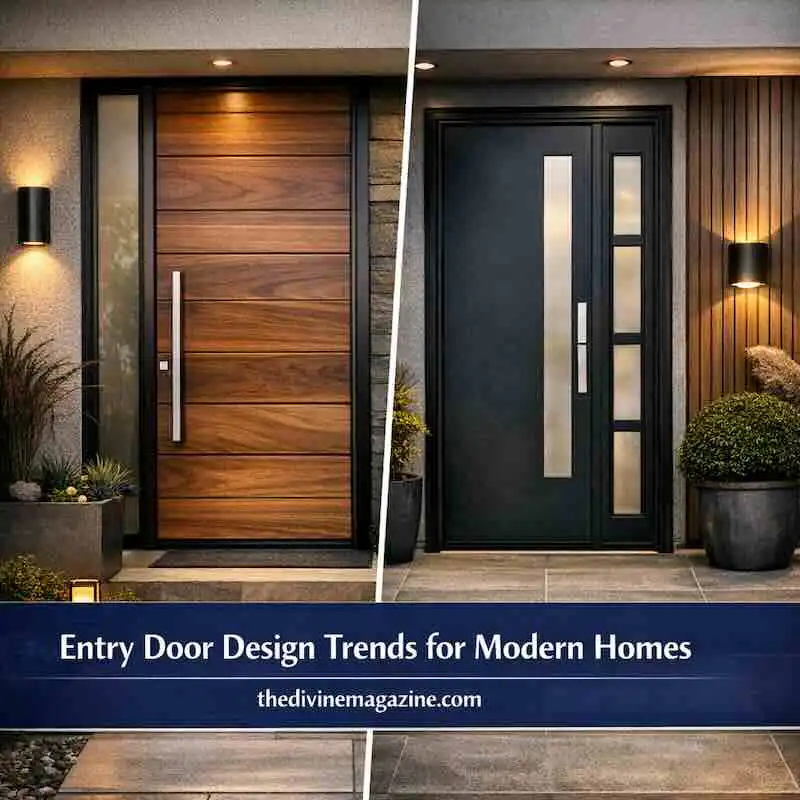
Modern entry door design is evolving quickly, blending clean aesthetics with meaningful upgrades in comfort, security, and sustainability. Homeowners are gravitating toward natural materials, streamlined silhouettes, and smart features that make the entryway both welcoming and functional. Today’s doors are no longer just architectural details—they’re part of a home’s personality and performance.
With so many styles and materials available today, choosing the right door for front of a house has become an important part of shaping a home’s overall aesthetic and functionality. Contemporary trends lean toward designs that balance modern style, energy efficiency, and thoughtful innovation.
Thoughtful selections can lend instant personality and sophistication to a home. More than just a visual statement, today’s entry doors are valued for their practical upgrades and for creating a sense of welcome and security that endures. Whether you hope to make a bold impression or create a seamless flow between your indoor and outdoor space, understanding current trends can help guide your decision.
Key Takeaways
- Modern entry door trends focus on clean lines and natural materials for a warm, minimalist look.
- Smart technologies—such as keyless access and integrated security—enhance convenience and peace of mind.
- Sustainable materials and energy-efficient construction support eco-friendly home design.
Modern Aesthetics
Sleek, uncomplicated shapes now define the most sought-after entry doors. Minimalist design principles dominate, marked by long horizontal or vertical lines, smooth surfaces, and understated hardware. Instead of ornate carvings, homeowners are embracing subtle details or material contrasts—such as fluted glass paired with natural wood—to add texture and warmth.
This shift aligns with broader trends in modern architecture that favor open floor plans and uncluttered interiors. When paired with coordinated window styles, exterior lighting, and streamlined siding, the entry door becomes a focal point that enhances the home’s overall design language.
Smart Technology Integration
Entry doors have joined the smart home revolution. Features such as digital locks, biometric scanning, and integrated video doorbells are becoming standard in modern builds. Homeowners can monitor activity, lock or unlock doors remotely, and receive instant notifications—all from their smartphones.
These advancements offer both convenience and security while also boosting overall property value. Emerging innovations, such as weather sensors that alert homeowners when a door is left open, add another layer of intelligence to everyday living.
Sustainable Materials
Eco-friendly building practices continue to influence entry door design. Recycled steel, reclaimed hardwood, and advanced composite materials are increasingly popular for their durability and reduced environmental impact. These materials often outperform traditional options in insulation and longevity.
Low-VOC paints and finishes are also gaining traction, supporting both indoor air quality and sustainable home standards. For homeowners seeking both style and environmental responsibility, these materials offer a compelling balance.
Bold Colors and Finishes
Homeowners are moving beyond muted tones and embracing expressive color. Deep greens, navy blues, mustard yellows, and burnt oranges are trending, offering instant curb appeal with a touch of personality. Matte finishes are especially popular for their contemporary, refined look.
These choices allow homeowners to express personality while keeping in harmony with the rest of the home’s exterior. Contrasting trim, textured surfaces, and distinctive hardware—such as brushed gold or matte black—can further elevate the entryway and tie the exterior design together.
Oversized and Pivot Doors
Large-scale entry doors continue to rise in popularity, creating a dramatic first impression. Oversized doors crafted from a single slab of wood or featuring full-height glass panels maximize natural light and accessibility.
Pivot doors, known for their smooth movement and minimal hardware, offer a sculptural, modern alternative to traditional hinged designs. These options provide both visual impact and functional benefits, especially for homes with wide or open entry spaces.
Glass and Light Enhancements
Light-filled entryways remain a favorite for their welcoming, airy feel. Glass elements—such as sidelights, transoms, or full-panel inserts—help blur the line between indoors and outdoors. Textured glass options like reeded or fluted panels offer privacy while still allowing natural light to filter through.
Energy-efficient glazing, including triple-pane construction and low-E coatings, supports year-round comfort and sustainability without sacrificing style.
Minimalist Designs
The “less is more” philosophy continues to shape modern entry doors. Minimalist designs emphasize clean lines, flat or recessed panels, concealed hinges, and limited visible hardware. These features create a calm, uncluttered aesthetic that complements contemporary architecture.
Integrated lighting, streamlined thresholds, and subtle architectural details further enhance the minimalist look while maintaining functionality.
Conclusion
Modern entry doors now balance style, innovation, and environmental responsibility in ways that elevate both curb appeal and everyday living. By understanding the latest trends—from smart technology to sustainable materials—homeowners can choose an entryway that feels intentional, contemporary, and uniquely personal. A well-designed door not only enhances the home’s first impression but also contributes to long-term comfort, security, and value.
About the Author: This article was contributed by a home design writer focused on modern architecture, materials, and residential trends.